This post may contain affiliate links. By browsing this website, you agree to our disclaimer, privacy policy, and terms of use.
Most face creams—even the ones labeled “clean”—can hide behind ingredients like PEGs, synthetic fragrance, and vague “proprietary blends.”
But here’s the truth: even “natural” or “dermatologist-approved” labels don’t guarantee safety. With greenwashing everywhere, it’s hard to know who to trust.
At Toxic Free Choice, we decode what’s actually inside your moisturizer—so you can avoid hormone disruptors, misleading claims, and hidden irritants with confidence.
We’ll also share vetted picks that meet our strict safety standards and ingredient transparency checklist.

Why Most Face Moisturizers Aren’t As “Clean” As They Claim
Even so-called “clean” brands often sneak in synthetic preservatives, plastic-based emollients, and mystery fragrances.
And unfortunately, with almost zero regulation in the U.S., most of those “clean” claims don’t mean much.
For example:
🇪🇺 The EU bans over 1,300 cosmetic ingredients.
🇺🇸 The U.S.? Just 11.
So that “gentle” face cream you use every morning? It may be hiding ingredients that are banned in most of the world.
As a result, many formulas include hormone disruptors, penetration enhancers, and synthetic preservatives linked to skin irritation and long-term health concerns.
What’s worse: even popular “clean beauty” brands are quietly cutting corners—using synthetic additives to keep costs down and shelf life up.
That’s why we’re here. To help you cut through the noise and only share non-toxic moisturizers that meet our real, research-backed criteria.
Let’s get into it. Your moisturizer should actually take care of your skin, not just pretend to.
What Makes a Moisturizer “Clean” vs “Non-Toxic”?
Let’s clarify something important first…“Clean beauty” is everywhere these days — Sephora, Target, even your favorite drugstore aisle.
But here’s the problem: “clean” isn’t a regulated term.
Many so-called clean moisturizers still contain ingredients that can irritate your skin, mess with your hormones, or sneak in under vague terms like “fragrance.”
That’s why at Toxic Free Choice, we’re focused on truly non-toxic face moisturizers made without hormone disruptors, harsh preservatives, or petrochemical fillers.
The skin-loving formulas we recommend are made from natural and organic ingredients you can actually pronounce (mostly).
What Ingredients To Avoid in Your Face Cream (And Why)
So, what should you actually avoid? Here’s a quick breakdown of the most common offenders—and why they matter.
🚫 Fragrance/Parfum. “Fragrance” or “parfum” can legally hide hundreds of undisclosed chemicals, including phthalates, which are linked to hormone disruption. Even “natural” fragrances can trigger irritation for sensitive skin.
Look for: Brands that say fragrance-free or list specific essential oils.
🚫 Phenoxyethanol & PEG Compounds. Phenoxyethanol is often used in “clean” products, but it’s still a synthetic preservative that may cause skin irritation or nervous system effects in infants. PEGs (like PEG-8 or PEG-100) are petroleum-derived and often contaminated with 1,4-dioxane, a known carcinogen.
Avoid: Any ingredient that includes PEG- or ends in -eth (e.g., ceteth-20).
🚫 PFAS (Per- and Polyfluoroalkyl Substances) These “forever chemicals” are used in long-wear or water-resistant formulas and have been linked to cancer, hormone disruption, and fertility issues.
Avoid: Ingredients with fluoro, perfluoro, or acronyms like PTFE.
Want to learn more? Check out our article about the 20 Most Toxic Ingredients To Avoid In Skincare.
How To Choose the Best Moisturizer for Your Skin Type & Season
Your skin isn’t static—what works in summer might not cut it in winter. And if you’re navigating sensitive, acne-prone, or mature skin, your ideal face cream might look very different from what’s trending on the shelf. Here’s how to choose a non-toxic face moisturizer that truly fits your skin.
☀️ Summer
Go for lightweight, non-comedogenic moisturizers that won’t clog pores or feel greasy in the heat. Water-free formulas are a win here—they absorb fast, leave no residue, and keep your skin fresh. Look for ingredients like aloe vera, rosehip oil, and jojoba oil for breathable hydration.
❄️ Winter
This is the time for rich, oil-based creams that support your skin barrier. Think shea butter, grass-fed tallow, beeswax, or squalane—ingredients that help lock in moisture and shield skin from the elements.
🌿 Acne-Prone Skin
Keep it simple and soothing. Choose fragrance-free formulas packed with anti-inflammatory botanicals like calendula, tea tree, or chamomile. Make sure there are no PEGs, hidden preservatives, or comedogenic oils.
🌸 Mature Skin
Your skin will love antioxidant-rich moisturizers with vitamins A, C, and E. Look for nourishing oils like rosehip, carrot seed, and plant-based ceramides—or try tallow-based balms to support elasticity and improve texture naturally.
No matter the season or skin type, remember: simple is powerful—especially when you’re choosing non-toxic skincare. Stick with what your skin actually responds to, not what the packaging promises.
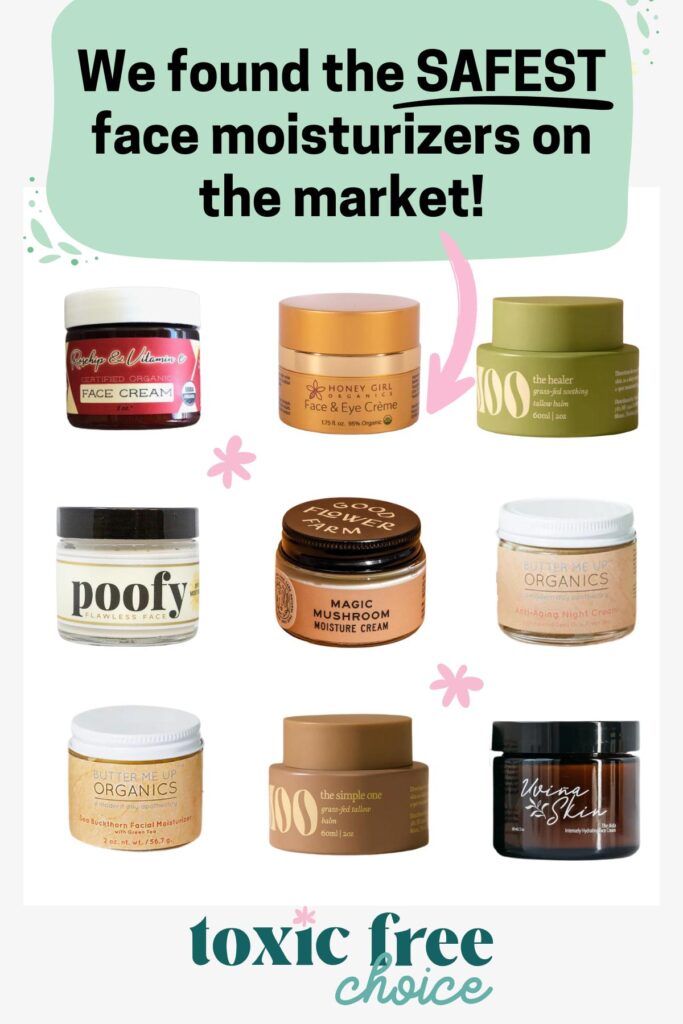
Our Favorite Non-Toxic Face Moisturizers (That Actually Pass the Test)
Below, we’re sharing our top real-world examples of face moisturizers that meet our full non-toxic criteria. Each one is free from synthetic preservatives, hormone disruptors, and greenwashed ingredients—and they’re categorized by skin type and season to make your routine easier.
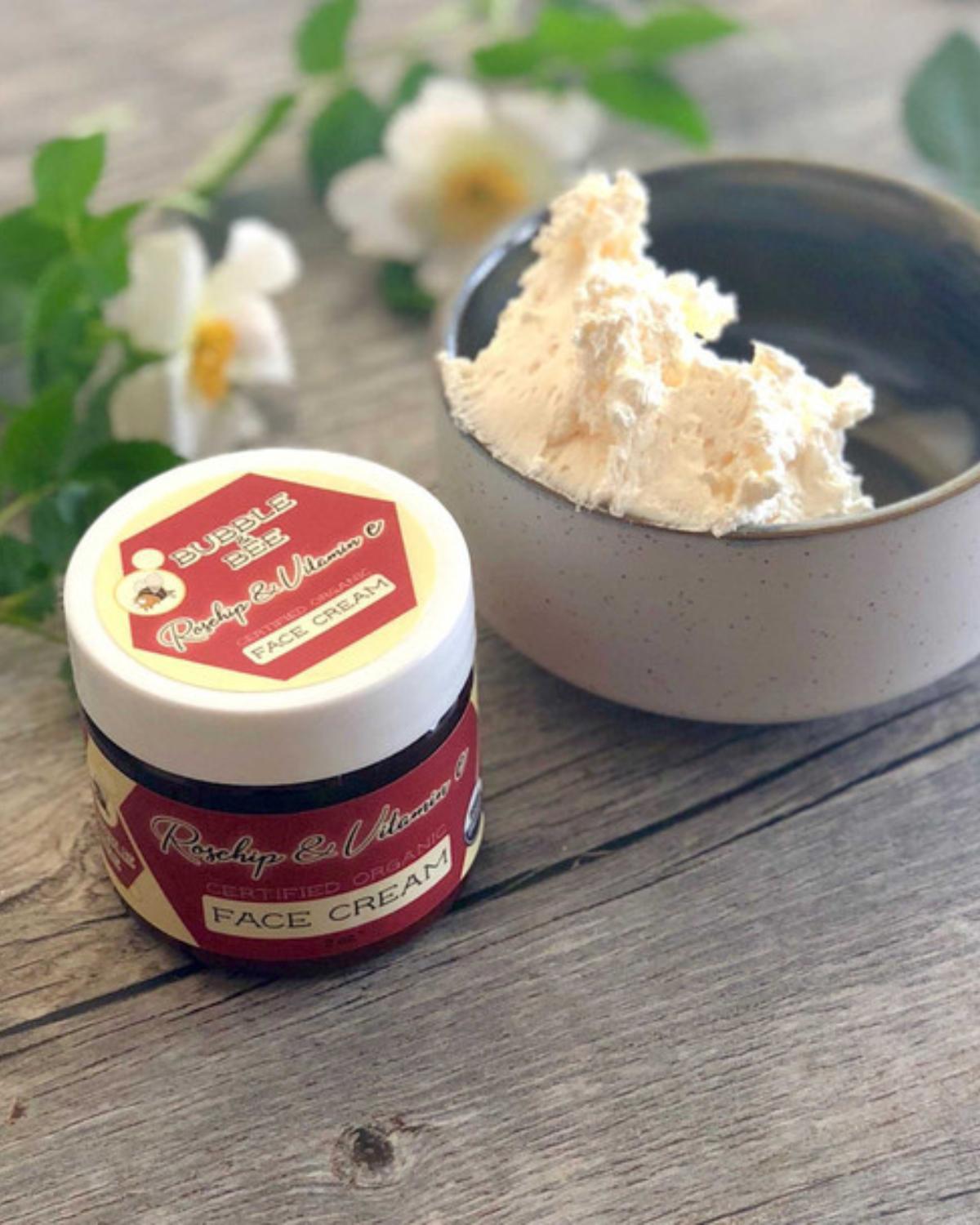
Minimalist, USDA Organic, and made with just three clean, skin-loving ingredients.
This fluffy, whipped, non-toxic face cream from Bubble & Bee Organics is ideal for summer. It melts quickly into your skin and leaves zero greasy residue.
Rosehip seed oil supports skin regeneration, while shea butter offers lightweight nourishment that keeps your skin feeling soft and hydrated without clogging pores.
The water-free formula means no preservatives, emulsifiers, or synthetic additives. Just simple, natural ingredients you can trust.
If you’re craving simplicity and purity in your daily moisturizer, this one checks every box. Light enough for hot, humid days and rich enough to keep your skin glowing.
Price
$22.95
Ingredients
Organic Shea Butter, Organic Rosehip Seed Oil, Vitamin E
location/shipping
United States
Use code TFC10 for 10% off
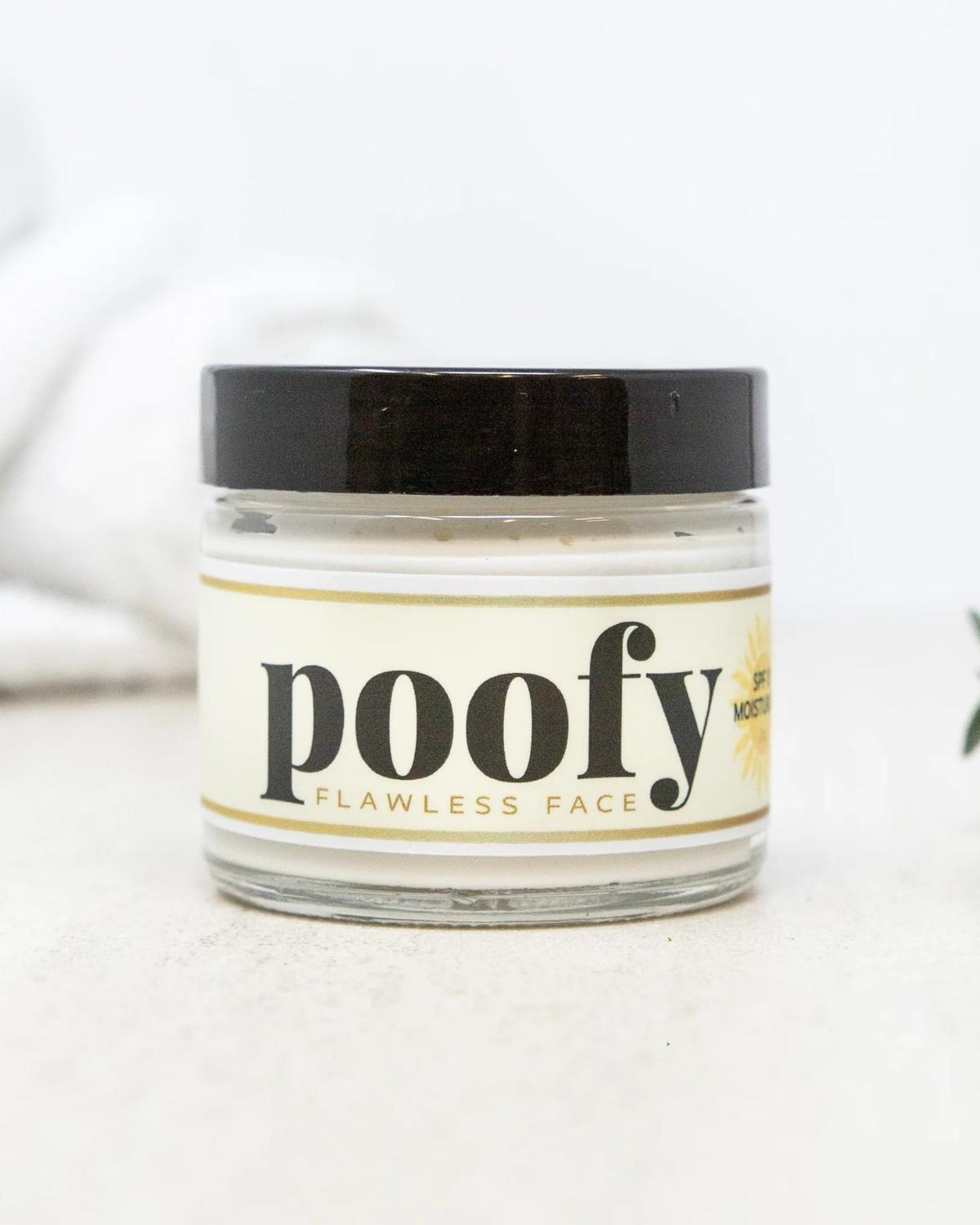
We love this multitasking, non-toxic face moisturizer & SPF from Poofy Organics!
They make it super easy to stay protected and nourished, without the usual toxic ingredients found in most sunscreens.
Formulated with non-nano zinc oxide and a thoughtful blend of organic oils like grapeseed, evening primrose, and rose hip, this lightweight cream delivers broad-spectrum SPF coverage while supporting sensitive, acne-prone, or reactive skin types.
It also features kimchi seaweed ferment, a unique probiotic extract that helps support the skin’s microbiome, so it’s especially helpful for anyone dealing with inflammation or a damaged skin barrier.
The finish is soft and breathable, and it layers beautifully under makeup or on bare skin.
Price
$39.00
ingredients
Distilled Water, Grapeseed Oil*, Apricot Kernel Oil*, Unrefined Shea Butter*, Evening Primrose Oil*, Calendula Oil*, Rose Hip Seed Oil*, Borage Oil*, Emulsifying Wax (Cetostearyl Alcohol, Sorbitan Ester), Non-Nano Zinc Oxide, Kimchi Seaweed Ferment Filtrate *Organic Ingredients
Location/Shipping
United States, Canada, and over 165 other countries
Use code TFC10 for 10% off
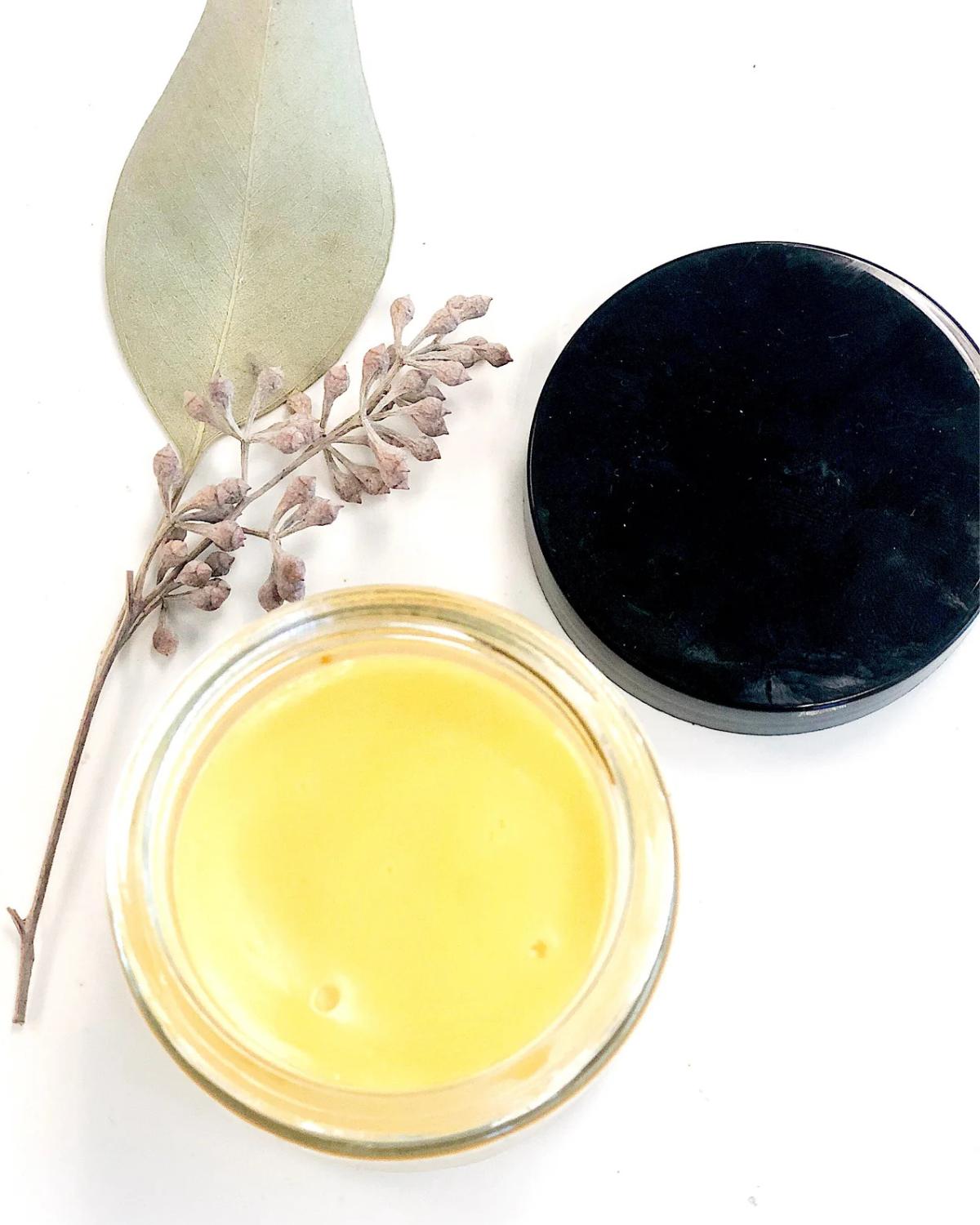
The secret ingredient in this lovely, lightweight face cream from Butter Me Up Organics is sea buckthorn — a natural source of vitamin C that helps brighten, calm, and protect your skin against daily stressors.
Made in small batches with organic aloe juice, lavender oil, and other botanicals, it leaves skin soft, smooth, and lightly glowing.
Even though the texture is light, this cream is deeply nourishing without feeling heavy or greasy.
This all-natural face moisturizer absorbs quickly, leaves no oily film, and plays well with SPF and makeup.
Ideal for combination or sensitive skin, especially during warmer summer months when you want the glow without the grease.
Price
$33.95
ingredients
Aloe Vera*, Avocado Oil*, Sea Buckthorn Oil*, Coconut Oil*, Jojoba Oil*, Apricot Kernel Oil*, Beeswax, Green Tea Extract*, Lavender Oil*, Vitamin E Oil, Citric Acid (Non-GMO) *Organic Ingredients
Location/Shipping
United States, ships to US, Canada, Australia
Use code TFC10 for 10% off
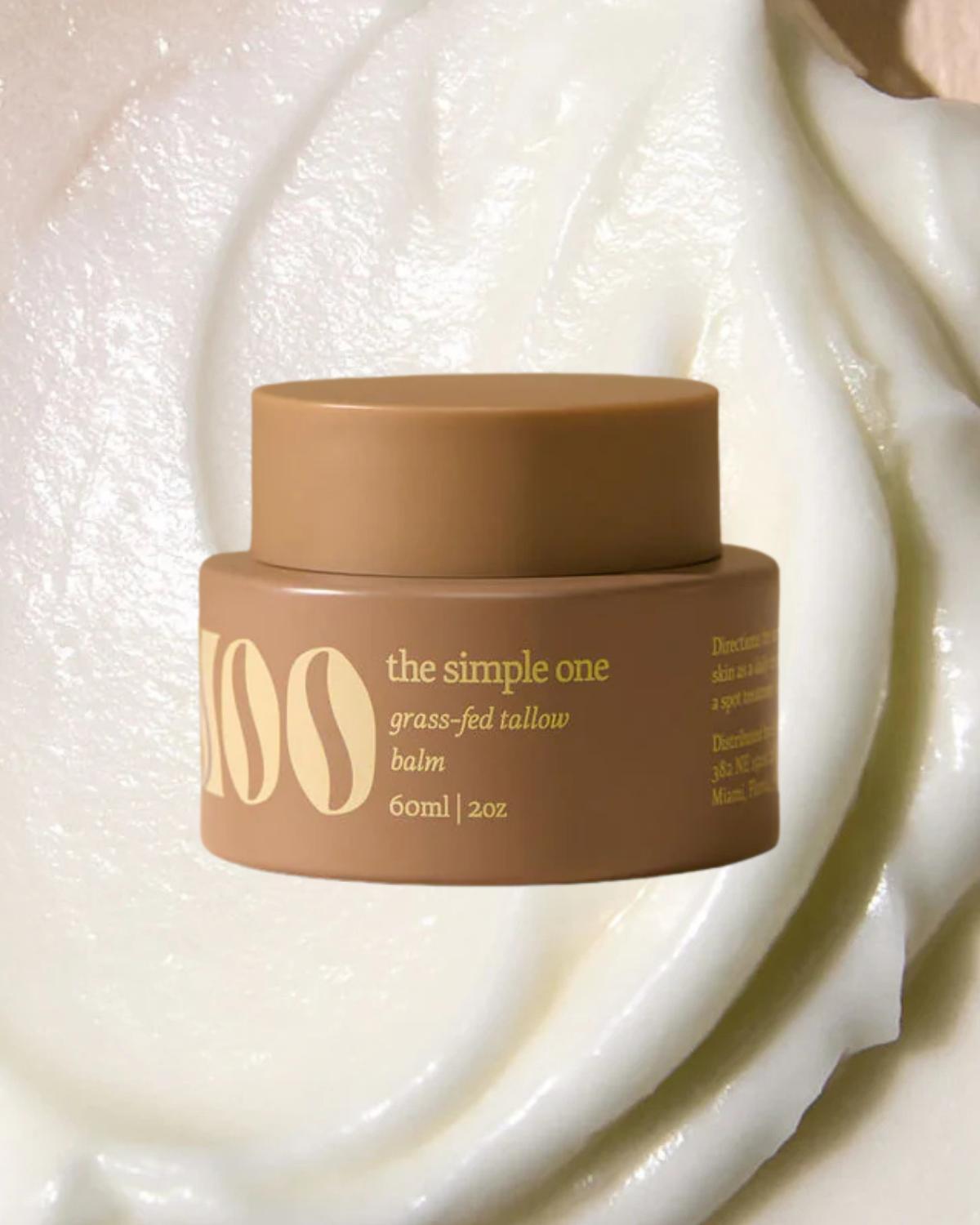
Simple, fragrance-free, and deeply restorative this toxin-free face balm is perfect for healing sensitive skin from the summer sun or dry winter air.
Made with just two ingredients, grass-fed tallow and organic jojoba oil, it mimics the natural composition of human skin, helping to support your barrier without irritation.
The texture melts effortlessly on contact and absorbs surprisingly quickly.
There are no essential oils, no emulsifiers, and no preservatives — just pure, skin-compatible ingredients.
It’s a safe face lotion for sensitive skin that’s prone to flare-ups, dryness, or is highly reactive.
Price
$34.00
ingredients
100% Grass-Fed Tallow, Organic Jojoba Oil
Location/Shipping
United States, ships to the US and Australia
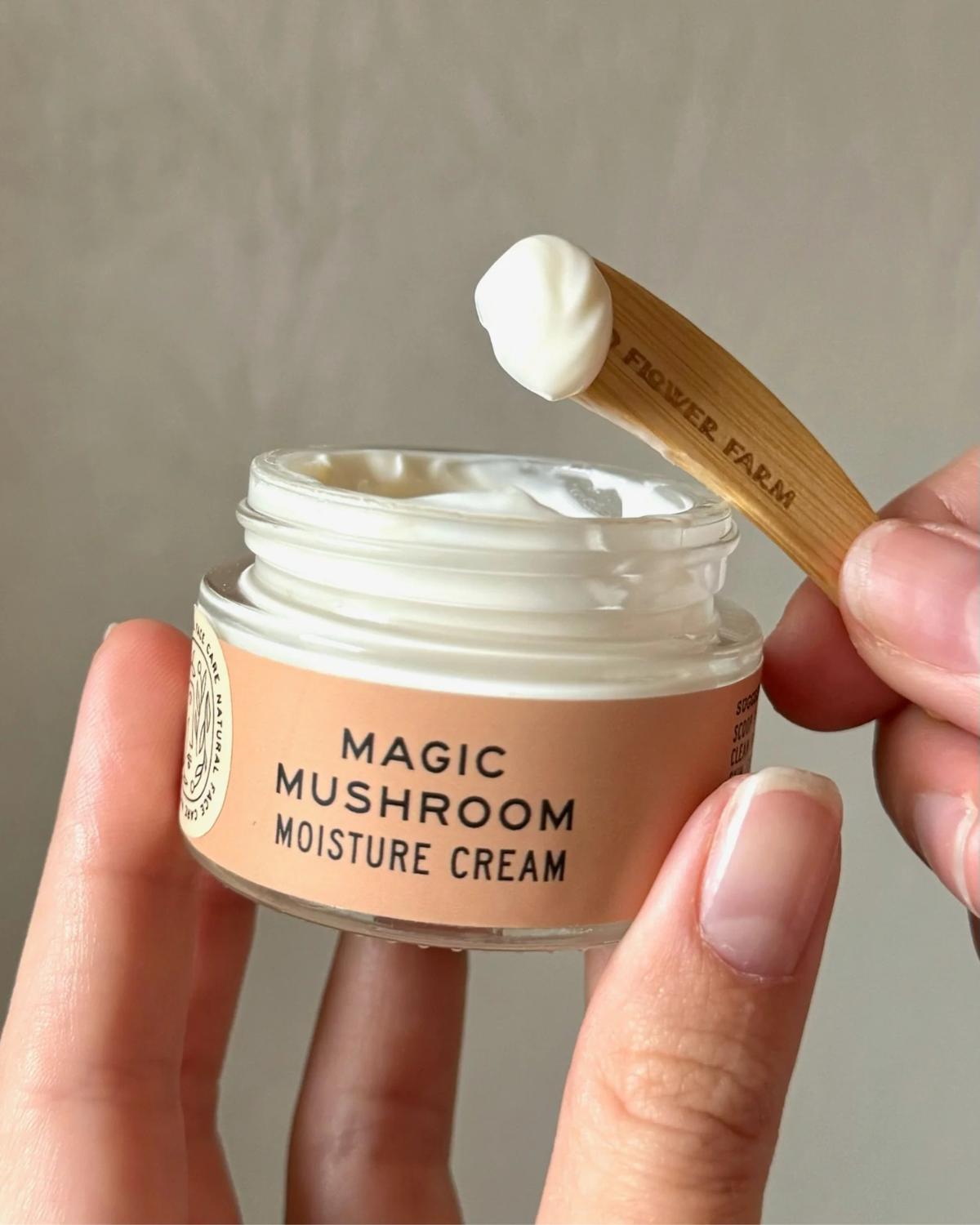
Creamy, comforting, and made for sensitive skin, this chamomile-scented cream from Good Flower Farm is sure to become your summer go-to.
It’s infused with adaptogenic cordyceps and maitake mushrooms to support barrier repair and soothe inflammation from daily stressors like sun, wind, and pollution.
The base blends aloe vera gel, jojoba oil (infused with the mushrooms), evening primrose oil, and nourishing shea butter for rich hydration that won’t feel heavy or greasy.
The texture is velvety and lightweight, but the formula itself is non-toxic, rich and hydrating— especially for dry, irritated, or easily reactive skin.
There’s only one essential oil here: Roman chamomile, which gives the cream its soft, fruity floral scent.
If you’re looking for a botanical-rich moisturizer without fragrance overload or synthetics, this moisturizer is a great pick.
Price
$36.00
Ingredients
Chamomile Hydrosol*, Aloe Vera Gel, Jojoba Oil* infused with Cordyceps* & Maitake Mushrooms*, Evening Primrose Oil*, Shea Butter*, Glyceryl Stearate, Glycerin, Cetearyl Alcohol, Sodium Stearoyl Lactylate, Roman Chamomile Essential Oil, Benzyl Alcohol, Salicylic Acid, Vitamin E, Sorbic Acid *Certified Organic
location/shipping
United States
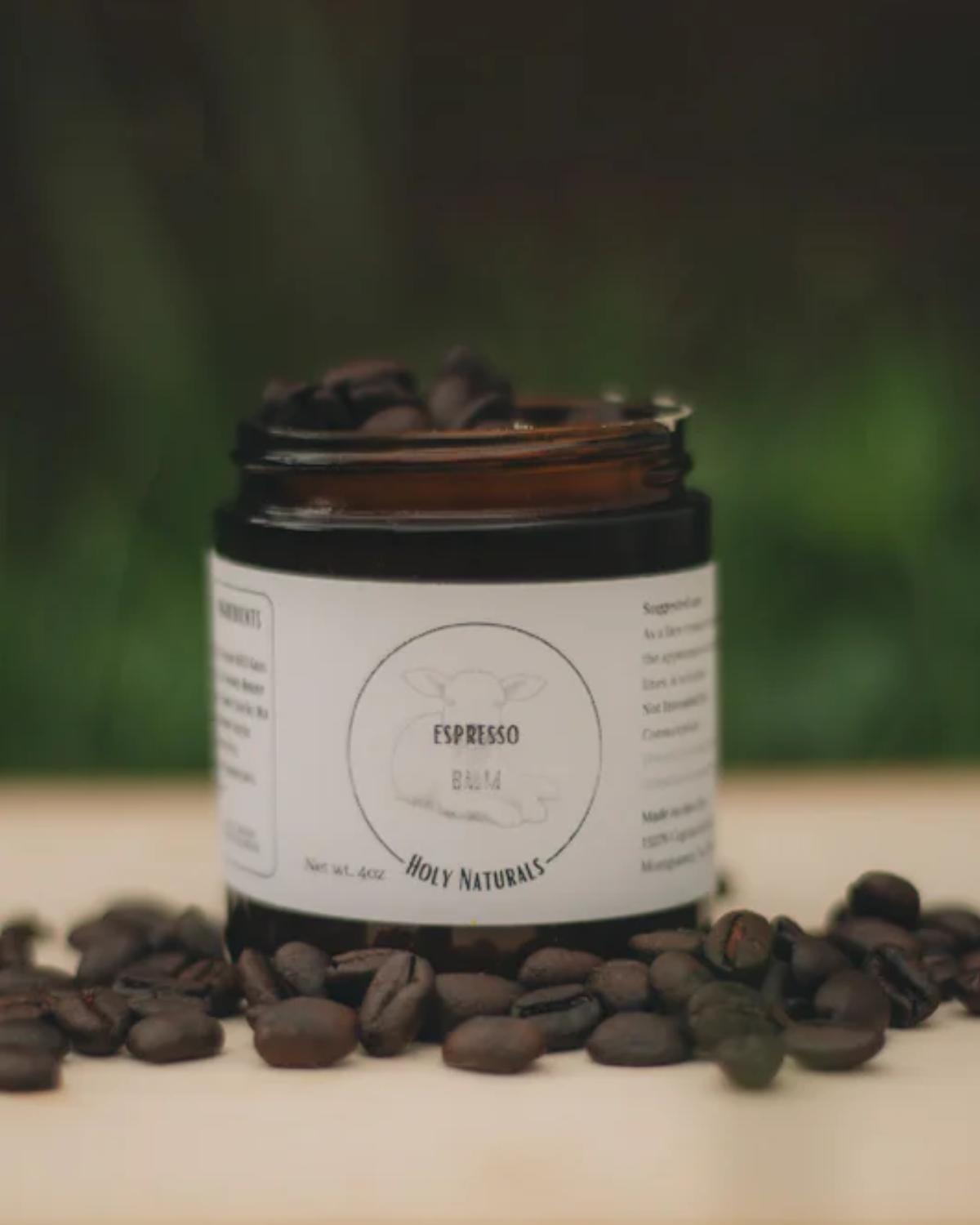
If you have yet to hear about Holy Naturals, you are in for a real non-toxic treat!
This antioxidant-rich balm is powered by two secret ingredients: tallow from 100% grass-fed, grass-finished beef and caffeine from fresh ground coffee beans.
Infused with nutrient-rich oils like rosehip, red raspberry seed, and carrot seed oil to help support collagen, soothe inflammation, and soften dry skin.
This is a multi-use balm that can be applied to the face, lips, cuticles, or even dry ends of hair.
While rich in oils, this formula is non-comedogenic and packed with fat-soluble vitamins like A, D, E, and K to deeply nourish parched skin.
Price
$19.00
Ingredients
Caffeine from Coffee Bean*, Tallow (from 100% Grass-Fed, Grass-Finished Beef Suet), Rosehip Oil*, Carrot Seed Oil*, Red Raspberry Seed Oil*
location/shipping
United States, ships to the US and Canada
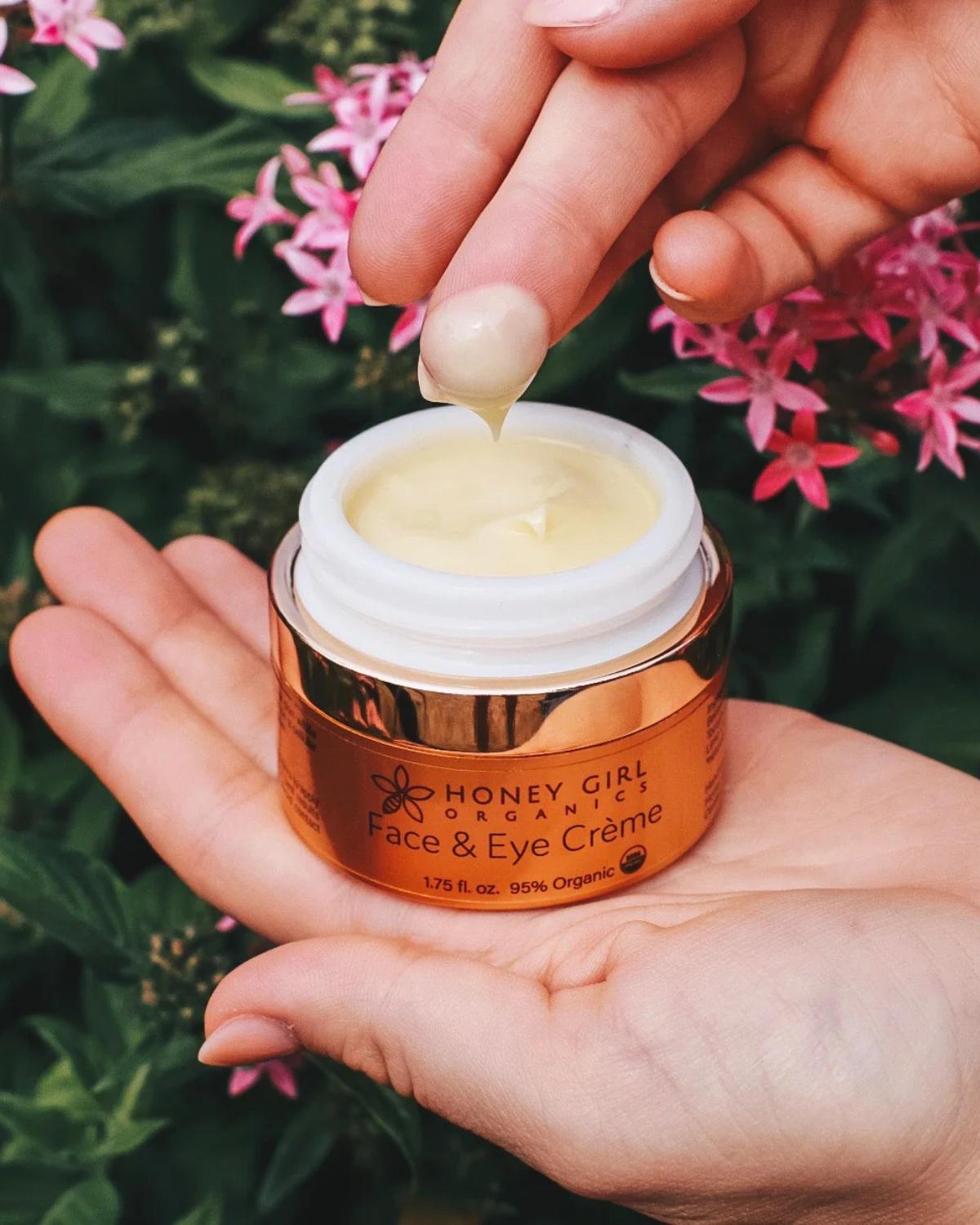
Simple, USDA Organic, and made with just eight edible-level ingredients.
This thick, balm-like, non-toxic face cream is a cult favorite for dry, mature, or sensitive skin. It delivers all-day moisture that actually lasts.
Raw Hawaiian honey and beeswax help support natural skin repair, while olive oil and rose oil deeply hydrate.
Handcrafted in small batches in Hawaii, Honey Girl Organics doesn’t use any preservatives, emulsifiers, or synthetic fragrances.
If you want a minimalist, deeply moisturizing face cream that actually feels like it’s doing something, you’re going to love this moisturizer that does double duty.
Price
$44.95
Ingredients
Purified Water, Extra Virgin Olive Oil*, Beeswax*, Honey*, Rose Oil*, Tocopherols (Natural Vitamin E), Patchouli Essential Oil*, Lime Oil*, Cinnamon Essential Oil Leaf* *Organic Ingredients, Naturally contains pollen, propolis & royal jelly
location/shipping
United States
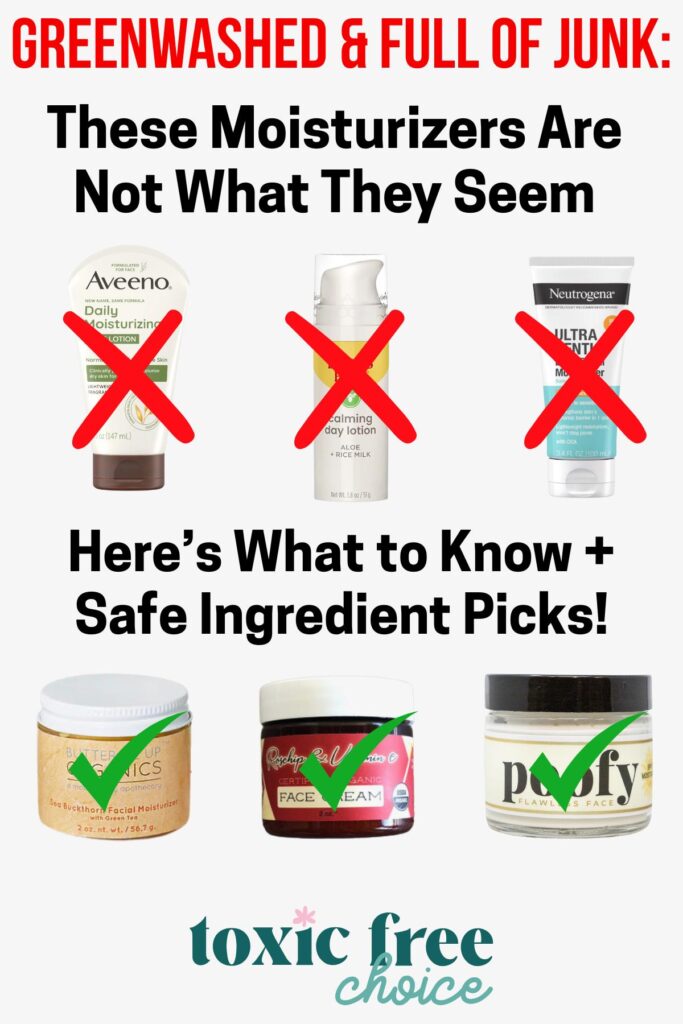
🚫 Face Moisturizers That Seem Clean — But Aren’t
❌ Neutrogena Ultra Gentle Daily Facial Moisturizer (SPF 30)
The “Ultra Gentle” label is a smokescreen. Beneath the oat extract and niacinamide is a base of synthetic chemicals more typical of a legacy drugstore cream than a non-toxic formula.
Problematic ingredients include:
- Avobenzone, Homosalate, Octisalate, Octocrylene – four chemical UV filters; all are linked to possible hormone (endocrine) disruption.
- Styrene/Acrylates Copolymer – a synthetic film-former (may carry trace contaminants like 1,4-dioxane).
- Dimethicone – silicone-based emollient (occlusive, not “natural”).
- BHT – petroleum-derived antioxidant/preservative; often flagged as a potential endocrine disruptor.
- Phenoxyethanol – a synthetic preservative; EWG notes it has high irritation potential (skin/eye).
- Chlorphenesin – antimicrobial preservative (EWG hazards include moderate allergy/immunotoxicity).
- Ceteareth-20 – PEG-based emulsifier; EWG warns it can be contaminated with ethylene oxide/1,4-dioxane.
❌ Aveeno Daily Moisturizing Face Lotion for Dry Skin (Oat)
Aveeno leans hard into its oat-powered skincare persona, but the ingredients reveal another PEG-heavy blend.
Despite claims of being fragrance-free and ideal for dry, sensitive skin, it’s more of a standard synthetic emollient than a truly gentle, nourishing face cream. Natural oats can’t offset an otherwise conventional formula.
Problematic ingredients include:
- Ceteareth-20 – a PEG emulsifier; potential contamination with carcinogens (ethylene oxide, 1,4-dioxane).
- Carbomer – a synthetic polymer thickener; EWG flags possible acrylic acid/benzene impurities.
- Phenoxyethanol – a synthetic preservative with high irritation risk.
- Dimethicone – silicone emollient (occlusive).
While the label emphasizes gentle “non-GMO oats” and “fragrance-free” for dry, sensitive skin, ingredients like PEG emulsifiers and preservative chemicals are just as concerning as in any mainstream lotion.
❌ Burt’s Bees Calming Day Lotion (Aloe & Rice Milk)
Touting “98.9% natural origin” sounds impressive until you realize the 1.1% includes denatured alcohol, phenoxyethanol, and sodium benzoate.
That might not seem like much, but for sensitive or damaged skin barriers, even small amounts of drying alcohol or synthetic preservatives can trigger irritation.
Problematic ingredients include:
- Alcohol Denat. (denatured ethanol) – drying solvent and antimicrobial; can strip skin lipids.
- Phenoxyethanol – synthetic preservative, irritant.
- Potassium Sorbate – food-grade preservative; generally mild but still synthetic.
- Sodium Benzoate/Benzoic Acid – preservatives (used in foods/cosmetics); can trigger sensitivity in some.
Worried about getting duped? Read our article about 24 Best Non-Toxic Skincare Brands, Based On Skin Type!
Frequently Asked Questions:
Skip anything with fragrance/parfum, PEGs, phenoxyethanol, formaldehyde releasers, and petrochemical fillers. Also avoid PFAS, which are sometimes added to long-wear or water-resistant formulas. These ingredients are often linked to irritation, hormone disruption, or long-term health effects.
Not always. “Clean” is an unregulated marketing term. Many “clean” products still use preservatives, synthetic additives, or undisclosed fragrance blends. At TFC, we focus on truly non-toxic, which means full ingredient transparency and no greenwashing.
Yes—if they’re formulated thoughtfully. Plant-based oils like jojoba, rosehip, and tallow mimic our skin’s natural structure and offer deep nourishment. Many non-toxic creams also include anti-inflammatory herbs, probiotics, and vitamin-rich botanicals that support your skin barrier without harsh chemicals.
Look for a fragrance-free, minimal ingredient moisturizer with calming ingredients like aloe, chamomile, or squalane. Skip essential oils unless they’re very gentle (like Roman chamomile or calendula), and avoid products with emulsifiers or preservatives known to trigger sensitivity.
Start with the basics: moisturizer, cleanser, and sunscreen. Swap one item at a time as you use up your current products. Focus on formulas with full ingredient disclosure, no synthetic fragrance, and ideally some third-party certifications like USDA Organic or MADE SAFE.
Yes! When it’s from grass-fed, ethically sourced beef, tallow is a rich source of skin-friendly nutrients like vitamins A, D, E, and K. It mimics the natural oils in our skin and is especially helpful for dry, sensitive, or barrier-compromised skin.
Not necessarily—but your skin’s needs often shift with the weather. In summer, go lightweight and water-free. In winter, focus on barrier-repairing and deeply hydrating creams with oils, butters, and ceramides. Choose what feels good and adjusts with your environment.
Your Health > Their Marketing
We know. Reading ingredient lists isn’t exactly weekend fun, and decoding cosmetic chemistry can feel like learning a foreign language.
But your face is worth the extra five minutes it takes to flip that jar over and actually read what’s inside.
You don’t need a medicine cabinet full of products or a skincare routine that takes longer than your morning coffee.
Sometimes the best thing you can do for your skin is keep it simple: a non-toxic face wash, a natural face cream for daily use, and some good old-fashioned sunscreen.
Your skin changes, seasons change, and your routine should change too. Trust the process, patch test everything, and if a brand won’t tell you exactly what’s in their formula, that’s your cue to keep looking.
🧼 Ready to Detox Your Skincare Routine? 🔍 Check out our Full Non-Toxic Skincare Ingredient Glossary to learn what’s safe, what’s sneaky, and what to toss.
Check out our other amazing Non-Toxic Personal Care articles:
- Non-Toxic Night Creams
- Non-Toxic Lotions
- Non-Toxic Face Wash
- Non-Toxic Beauty Swaps
- Non-Toxic Shopping Guide to ULTA
- Most Toxic Ingredients To Avoid In Skincare
- Non-Toxic Skincare Brands
- Non-Toxic Face Wipes
- Safe Sunscreen Option
Sources
Environmental Working Group (EWG). (n.d.). Skin Deep® Cosmetics Database. Retrieved July 22, 2025, from https://www.ewg.org/skindeep/
This comprehensive ingredient database evaluates the safety of cosmetics, including preservatives like phenoxyethanol, PEGs, synthetic fragrances, and chemical UV filters.
Campaign for Safe Cosmetics. (n.d.). Fragrance. Retrieved from https://www.safecosmetics.org/get-the-facts/chemicals-of-concern/fragrance/
Explains how “fragrance” or “parfum” can legally conceal dozens of synthetic chemicals, including phthalates and allergens.
European Commission CosIng Database. (n.d.). Cosmetic Ingredients & Regulatory Guidelines. Retrieved from https://ec.europa.eu/growth/sectors/cosmetics/cosing_en
Lists cosmetic ingredient restrictions and bans across the EU, which currently excludes over 1,300 ingredients in contrast to the U.S.
U.S. Food & Drug Administration (FDA). (2020). FDA Authority Over Cosmetics. Retrieved from https://www.fda.gov/cosmetics/cosmetics-laws-regulations/fda-authority-over-cosmetics
Details the limited regulatory authority the FDA has over cosmetic safety and labeling in the U.S.
Centers for Disease Control and Prevention (CDC). (2023). Per- and Polyfluoroalkyl Substances (PFAS) and Your Health. Retrieved from https://www.cdc.gov/biomonitoring/PFAS_FactSheet.html
Provides research-based insights into PFAS, also known as “forever chemicals,” and their long-term health effects.
National Institutes of Health (NIH). (2016). Endocrine-disrupting chemicals: An Endocrine Society Scientific Statement. https://www.ncbi.nlm.nih.gov/pmc/articles/PMC4851574/
Outlines the ways ingredients commonly found in skincare products—like parabens and phthalates—may interfere with the body’s hormonal systems.
Environmental Health Perspectives. (2005). Phthalates and Human Health: A Review.https://ehp.niehs.nih.gov/doi/10.1289/ehp.8283
Summarizes health concerns associated with phthalates, a class of chemicals often found in synthetic fragrances and personal care products.