


This post may contain affiliate links. By browsing this website, you agree to our disclaimer, privacy policy, and terms of use.
Tea is often promoted as one of the healthiest beverages you can drink, but not all tea is produced to the same safety standards. From cultivation and processing to packaging, every stage of production can influence the final product.
Depending on how a tea is grown and manufactured, it may contain pesticide residues, heavy metals, mold, or even microplastics. While these contaminants do not necessarily make a tea unsafe, they highlight why sourcing, testing, and manufacturer transparency matter.
Non-toxic tea isn’t defined by a single certification or marketing claim. Instead, it refers to tea produced with greater attention to ingredient quality, contaminant testing, responsible sourcing, and safer packaging materials.
Although no tea can be guaranteed completely free of environmental contaminants, brands that openly disclose their quality assurance practices provide consumers with more meaningful information when comparing products.
In this guide, we examine what current research says about contaminants found in tea, explain which safety claims are supported by evidence, and evaluate tea brands using consistent criteria that include testing transparency, ingredient sourcing, packaging materials, third-party certifications, and manufacturer disclosure.
Rather than relying on labels such as clean, natural, or premium, our recommendations focus on companies that provide the strongest evidence to support their safety and quality standards.
If you’re trying to make more informed purchasing decisions and reduce everyday chemical exposure or build a more non-toxic lifestyle, this guide is designed to help you separate documented practices from marketing claims.
Best Non-Toxic Tea Brands: Comparison Table
Mobile Users: Scroll to see full comparison →
| Brand | Best For | Organic Options | Available Formats | Third-Party Testing | Price Range |
|---|---|---|---|---|---|
| Mountain Rose Herbs | Best Overall for Organic Loose-Leaf Tea | ✓ | Loose-Leaf Tea | Tea Bags | ✓ | $10–$45+ |
| Gardenika | Functional Herbal Wellness Teas | ✓ | Loose-Leaf Tea | ✓ | $12–$35 |
| Teabloom | Whole-Leaf & Flowering Teas | ✓ (Select) | Loose-Leaf Tea | Tea Bags | Not Publicly Disclosed | $20–$30 |
| The Republic of Tea | Mainstream Premium Tea Brand | ✓ (Select) | Loose-Leaf Tea | Tea Bags | Not Publicly Disclosed | $9–$55+ |
| Traditional Medicinals | Herbal Wellness Tea | ✓ | Tea Bags | ✓ | $7–$10+ |
What Makes Tea “Non-Toxic”?
There is no legal definition of “non-toxic tea.” Instead, the term describes teas produced with stronger safety standards, greater ingredient transparency, and more rigorous quality controls than many conventional products.
While no tea can be guaranteed completely free of environmental contaminants, some manufacturers take additional steps to reduce potential sources of exposure and provide consumers with meaningful information about how their products are produced.
In general, non-toxic tea brands are more likely to:
- Use USDA Organic-certified ingredients to limit the use of many synthetic pesticides during cultivation.
- Provide information about contaminant testing for pesticide residues, heavy metals, or microbial impurities.
- Explain where their tea is sourced and how ingredients are evaluated before production.
- Use plastic-free or plant-based tea bags, or offer loose-leaf tea to reduce unnecessary plastic exposure.
- Support their claims with recognized certifications and documented quality assurance practices rather than relying on marketing language.
By comparison, brands with less transparent manufacturing practices often provide little information beyond broad claims such as natural, premium, or clean.
These terms may describe product positioning, but they do not tell consumers whether a finished tea has been tested, how ingredients were sourced, or what materials are used in the packaging.
For this guide, we prioritized brands that demonstrated stronger evidence of transparency through documented testing practices, sourcing information, recognized certifications, packaging disclosure, and manufacturer quality standards.
What’s Really in Your Cup of Tea?
Most people think of tea as nothing more than dried leaves steeped in hot water. In reality, the final product is often far more complex.
Depending on the variety, a tea may contain leaves from the Camellia sinensis plant, herbs, spices, flowers, roots, fruits, natural flavorings, or botanical extracts.
Beyond these intended ingredients, tea can also contain trace levels of naturally occurring minerals, environmental contaminants, or substances introduced during cultivation, processing, and packaging.
None of this automatically makes a tea unsafe. However, it does help explain why two products labeled simply as “green tea” or “herbal tea” can differ significantly in quality, transparency, and contaminant profile.
For consumers concerned about chemical exposure, understanding how tea is produced is just as important as understanding what’s listed on the ingredient label.
Why Tea Plants Can Absorb Contaminants
Tea plants absorb water and nutrients from the soil throughout their growing cycle. Like many agricultural crops, they can also absorb naturally occurring elements and environmental contaminants present in the surrounding soil, water, and air.
Research has shown that growing region, soil composition, agricultural practices, environmental pollution, and even the age of the tea leaves can influence levels of pesticide residues and heavy metals found in harvested tea.
Organic farming helps reduce the use of many synthetic pesticides, but it does not eliminate naturally occurring contaminants or replace finished-product testing.
How Processing Can Affect Tea Quality
Tea undergoes several steps before it reaches your cup, including harvesting, withering, rolling, oxidation (for some varieties), drying, blending, and packaging. Each stage creates opportunities to maintain, or reduce, product quality.
Poor drying or storage conditions may encourage microbial growth, while blended teas often combine ingredients sourced from multiple farms or suppliers, increasing the importance of manufacturer oversight and quality assurance.
This is one reason why brands that disclose supplier verification, identity testing, and contaminant screening generally provide stronger evidence of quality than those relying solely on marketing claims.
Why Packaging Materials Matter
Packaging is another factor that can influence overall product safety. Some tea bags are made entirely from paper or plant-based fibers, while others contain plastic-based materials used to seal or strengthen the bag.
Research has shown that certain plastic tea bags can release micro- and nanoplastic particles when exposed to hot water, although scientists are still investigating the long-term health effects of dietary exposure.
For consumers looking to reduce unnecessary plastic exposure, loose-leaf tea or brands that clearly disclose plastic-free tea bag materials may offer greater transparency.
However, loose-leaf tea is not automatically safer. If contaminants are already present in the tea leaves, removing the tea bag alone will not eliminate them.
That’s why we considered sourcing practices, quality testing, processing standards, and packaging materials together when evaluating the brands in this guide.
Common Contaminants Found in Tea
Tea is a minimally processed agricultural product, meaning its quality can be influenced at every stage of production, from cultivation and harvesting to processing, storage, and packaging.
The presence of a contaminant does not automatically mean a tea is unsafe. In many cases, the amounts detected are low and remain within regulatory limits.
However, contaminant levels can vary between products, which is why sourcing, testing, and manufacturer transparency are important factors when evaluating tea quality.
Pesticide Residues
Conventional tea farming may use pesticides to protect crops from insects, weeds, and plant diseases.
The U.S. Environmental Protection Agency (EPA) establishes maximum residue limits for pesticides used on food crops, but trace residues can still be detected in some finished tea products.
USDA Organic certification restricts the use of many synthetic pesticides during cultivation, making it an important indicator of farming practices.
However, it does not verify that the finished tea has been tested for pesticide residues. Brands that disclose finished-product testing provide stronger evidence of quality than certification alone.
Heavy Metals
Tea plants naturally absorb minerals from the soil, but they can also take up elements such as lead, cadmium, arsenic, and aluminum.
Research has shown that heavy metal concentrations vary depending on growing region, soil composition, environmental conditions, and agricultural practices.
Only a portion of these metals transfers into brewed tea, but the amount varies by tea type and brewing conditions. For this reason, brands that perform heavy metal screening as part of their quality assurance program provide greater transparency than those that do not disclose testing.
Microplastics
Some tea bags are manufactured with plastic-based materials that may release micro- and nanoplastic particles when steeped in hot water.
Although researchers have documented this phenomenon, scientists are still investigating the long-term health effects of dietary exposure to microplastics.
Consumers looking to reduce this potential source of exposure may prefer loose-leaf tea or brands that clearly disclose plastic-free tea bag materials.
Natural Flavors
The term “natural flavors” is often misunderstood.
It is a regulated food-labeling term used by the U.S. Food and Drug Administration (FDA) to describe flavoring substances derived from natural plant or animal sources.
Natural flavors are not inherently more or less toxic than artificial flavors, but the label does not disclose the specific ingredients used.
Consumers seeking greater ingredient transparency may prefer teas made with clearly identified herbs, spices, fruits, and botanicals instead of generic flavor descriptions.
Mold and Mycotoxins
Tea leaves can be exposed to moisture during harvesting, drying, processing, or storage.
Under certain conditions, mold may develop, and some molds are capable of producing naturally occurring compounds known as mycotoxins.
Research suggests that mycotoxins are not considered a widespread concern across commercially produced tea, but proper drying, storage, and manufacturer quality controls remain important for maintaining product quality.
Brands that invest in microbial screening and documented quality assurance programs provide greater confidence than those that offer little information about their testing practices.
How We Evaluated These Tea Brands
Choosing a non-toxic tea involves looking beyond marketing claims.
For this guide, we evaluated every brand using the same evidence-based criteria to determine how much information each company provides about the safety and quality of its products.
Our evaluation focused on:
- Testing transparency – Does the company disclose contaminant testing, such as pesticide, heavy metal, microbial, or identity testing?
- Ingredient sourcing – Does the brand explain where its tea and botanicals come from and how suppliers are evaluated?
- Organic and third-party certifications – Does the company hold certifications such as USDA Organic, Non-GMO Project Verified, or Regenerative Organic Certified®, and are those certifications supported by additional quality controls?
- Packaging materials – Does the brand disclose whether its tea bags are paper, plant-based, or plastic-containing?
- Manufacturer transparency – Does the company explain its quality assurance program, testing methods, and production standards, or rely primarily on marketing terms such as “clean,” “natural,” or “premium”?
While we considered all of these factors, testing transparency carried the greatest weight because it provides the strongest evidence that a manufacturer is actively monitoring product quality rather than simply making safety claims.
Brands that openly disclosed their sourcing, testing, certifications, and manufacturing practices received stronger evaluations than companies providing limited information.
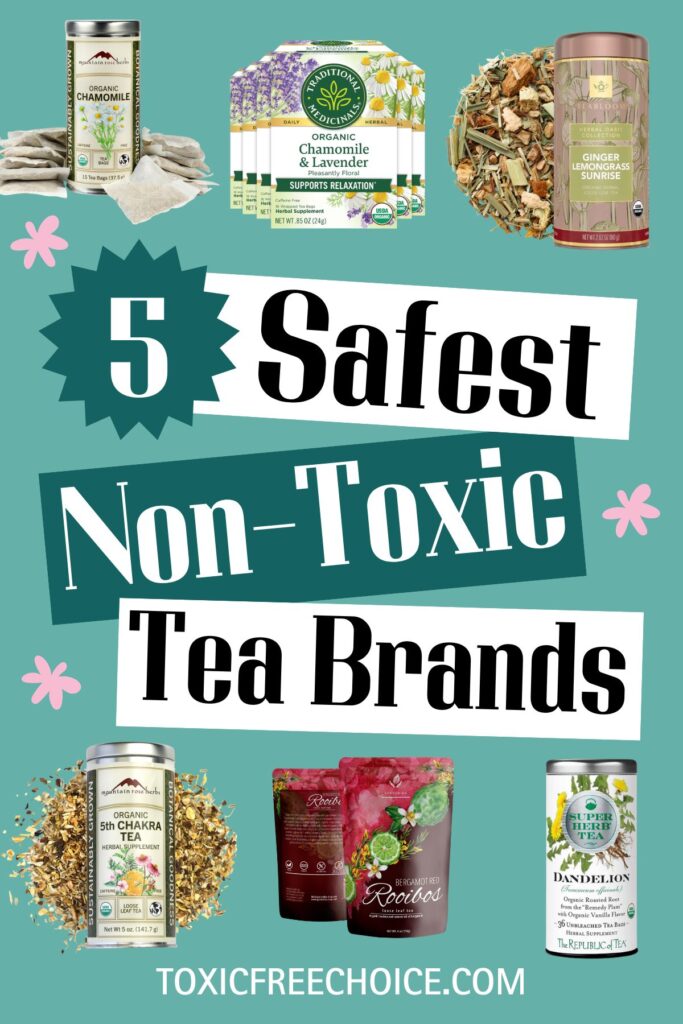
The Best Non-Toxic Tea Brands For 2026
1. Mountain Rose Herbs — Best Overall For Organic Loose-Leaf Tea
Best For: Consumers seeking organic herbal teas backed by extensive quality assurance, transparent sourcing, and documented testing practices.
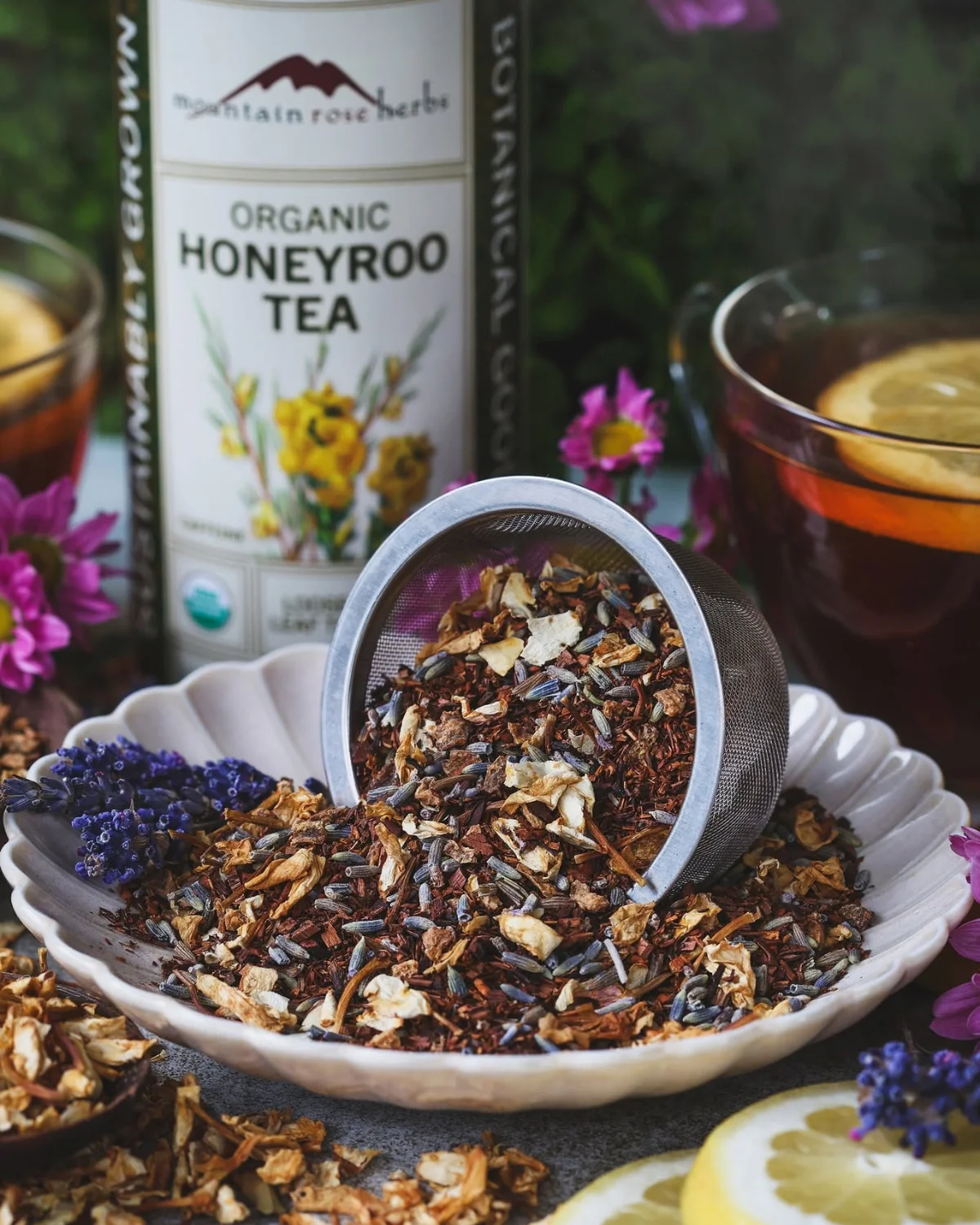
Mountain Rose Herbs approaches herbal tea with an unusually high level of transparency.
Rather than relying solely on organic certification, the company explains how its botanicals are sourced, evaluated, tested, and handled before they reach consumers.
Its quality assurance program includes supplier verification, identity testing, microbial screening, and risk-based testing for pesticide residues and heavy metals, supported by an in-house laboratory and additional third-party analysis when appropriate.
While no tea brand can guarantee a product is completely free of environmental contaminants, Mountain Rose Herbs provides more detailed information about its sourcing and quality control practices than many competitors.
For consumers looking for a brand that emphasizes both organic integrity and manufacturer transparency, it remains our top overall recommendation.
Price
$10-$45+
Testing & Certifications
USDA Certified Organic | Non-GMO Project Verified | Regenerative Organic Certified® | In-House Quality Laboratory | Identity & Microbial Testing | Risk-Based Pesticide & Heavy Metal Testing | Plant-Based PLA Tea Bags | Loose-Leaf Tea & Tea Bag Options
location/shipping
United States | Ships To Canada
2. Gardenika — Best For Functional Herbal Wellness Teas
Best For: Consumers looking for functional herbal teas made with organic ingredients and third-party tested for quality.
Use discount code TFC15 to save 15%!
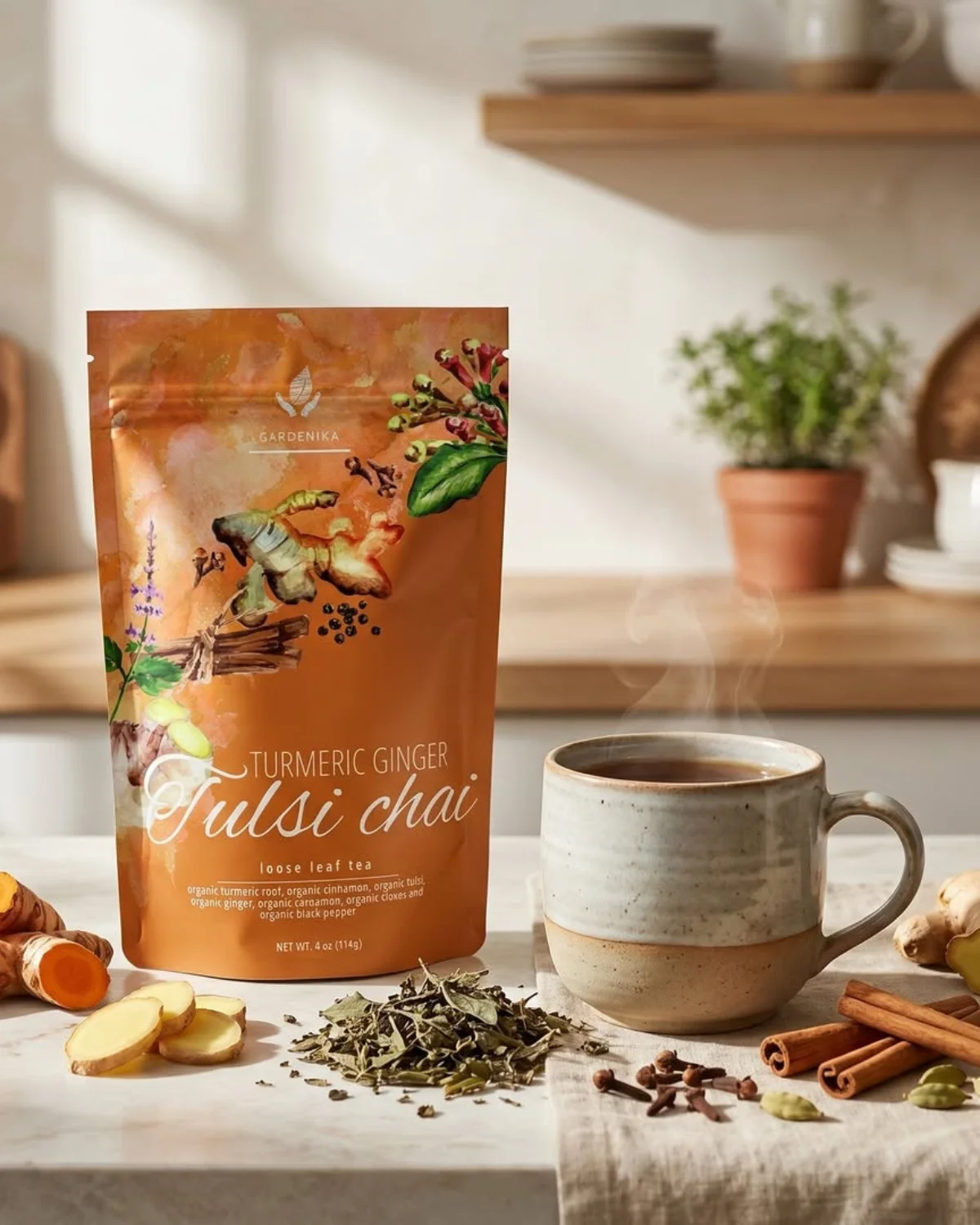
Gardenika focuses on functional herbal teas designed to support specific wellness goals, including sleep, digestion, immune health, and daily balance.
Rather than offering traditional tea varieties alone, the brand combines organically grown herbs and botanicals into targeted blends inspired by herbal and Ayurvedic traditions.
Every tea is made with USDA Organic-certified ingredients, is Kosher certified, and undergoes third-party laboratory testing while avoiding artificial flavors, sweeteners, and unnecessary additives.
For consumers who want clean-label herbal teas with transparent quality standards, Gardenika is one of the strongest functional tea brands we reviewed.
Price
$12-$35
Testing & Certifications
USDA Organic Certified | Third-Party Lab Tested | KSA Kosher Certified | Organic Herbal Ingredients | No Artificial Flavors or Sweeteners | Loose-Leaf Tea | Functional Herbal Blends
Location/Shipping
United States | Ships Internationally
3. Teabloom — Best For Whole-Leaf & Flowering Teas
Best For: Consumers looking for premium whole-leaf teas with compostable tea bags and transparent packaging materials.
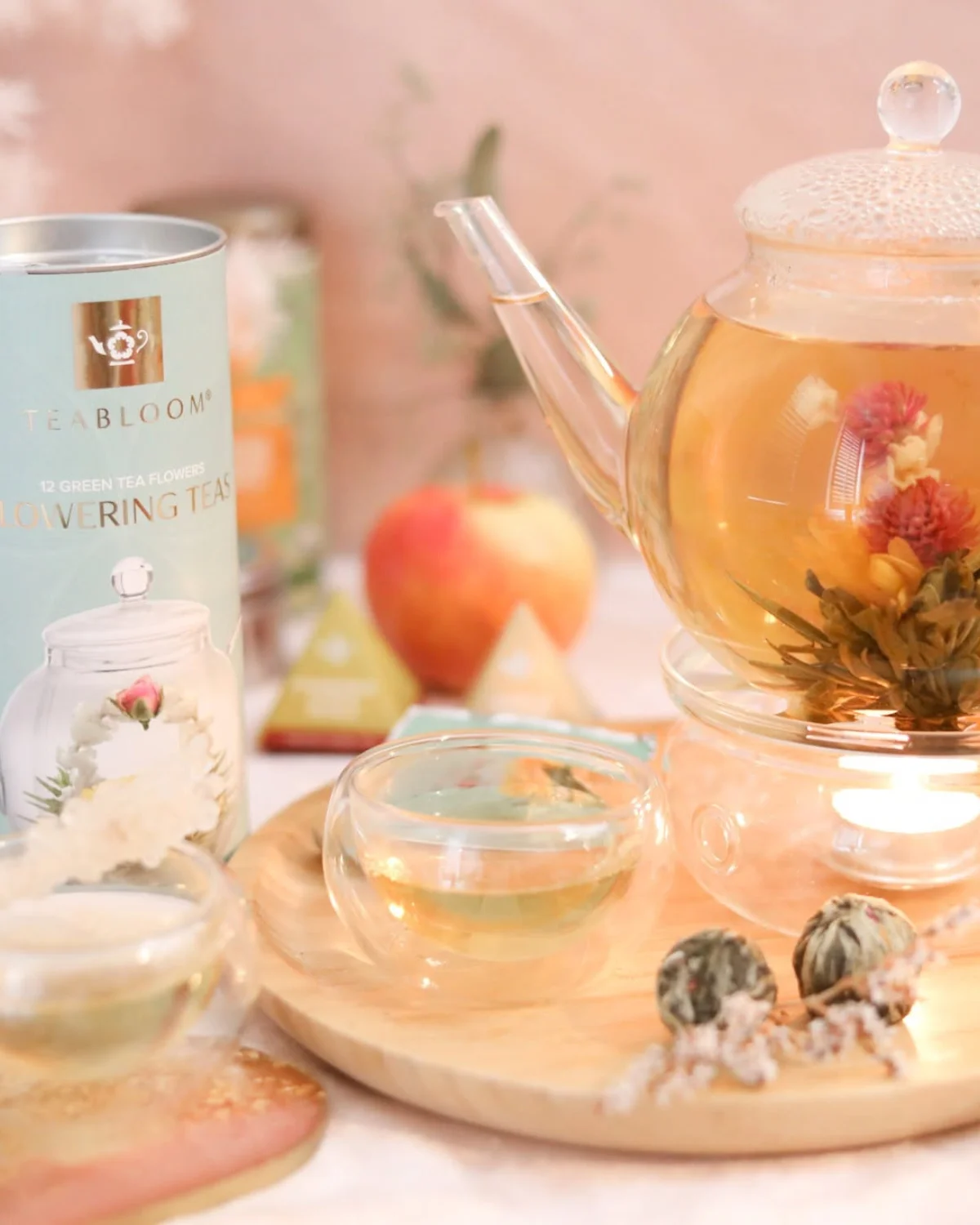
Teabloom takes a different approach from many brands in this guide by focusing on whole-leaf teas and flowering teas sourced from small tea-growing regions.
The company emphasizes sustainable sourcing and packages many of its teas in USDA Organic and kosher-certified facilities.
For consumers concerned about tea bag materials, Teabloom uses plant-based pyramid sachets made from renewable PLA derived from corn rather than conventional petroleum-based plastics.
While Teabloom does not publicly disclose third-party contaminant testing or Certificates of Analysis for its teas, its transparent approach to tea bag materials, sustainable packaging, and premium whole-leaf teas makes it one of the strongest options we reviewed for consumers looking beyond conventional grocery-store tea bags.
Price
$20-$30
Testing & Certifications
USDA Organic (Select Teas) | Packaged in USDA Organic & Kosher Certified Facilities | Plant-Based PLA Tea Sachets | Home Compostable Tea Bags | Sustainable Packaging | Loose-Leaf, Tea Bag & Flowering Tea Options
location/shipping
United States
4. The Republic of Tea — Best Mainstream Premium Tea Brand
Best For: Consumers looking for a widely available premium tea brand with documented quality assurance practices and responsibly sourced teas.
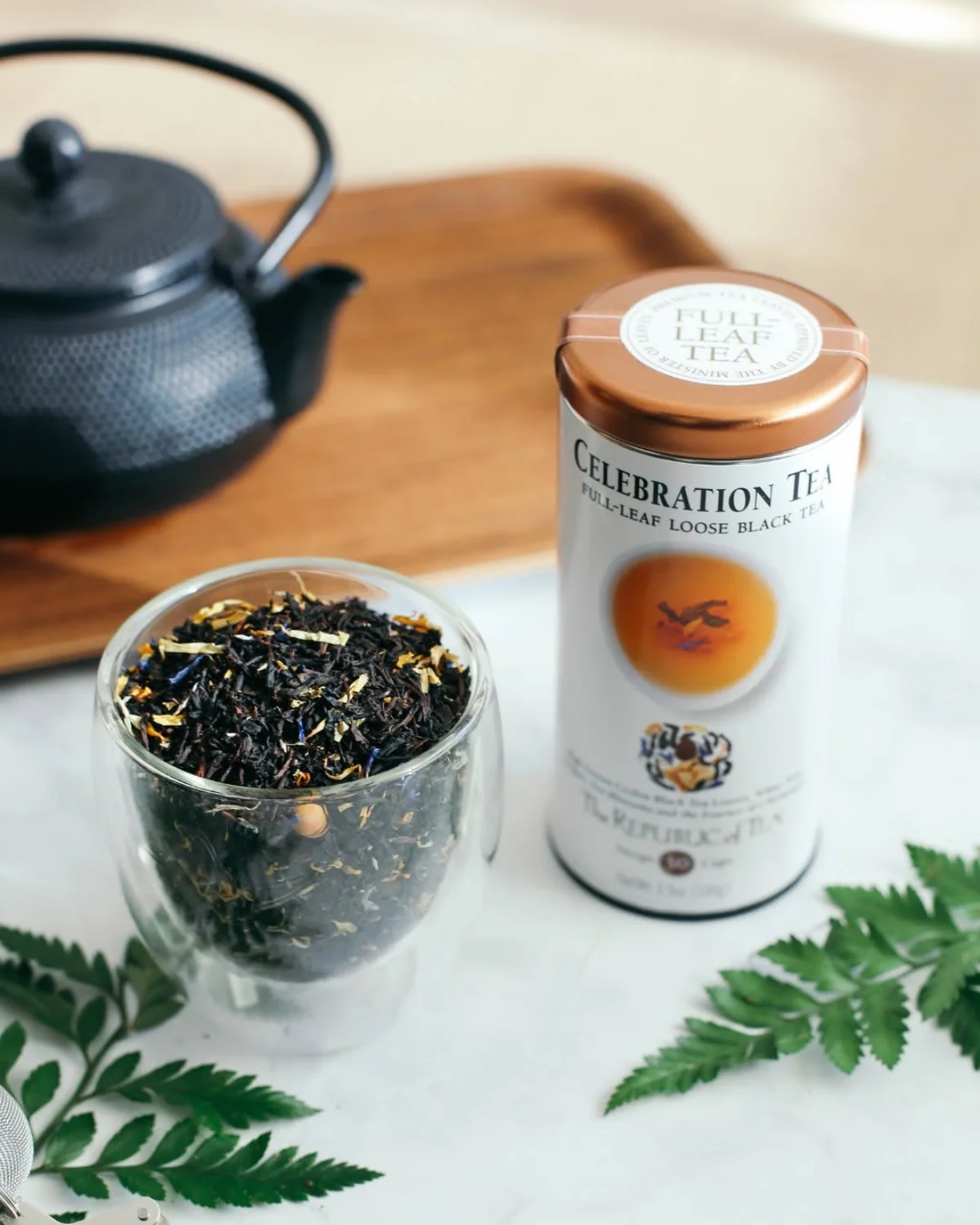
Founded in 1992, The Republic of Tea has become one of the largest specialty tea companies in the United States, offering more than 350 teas and herbal infusions.
The company sources teas from established growing regions around the world and states that every batch is inspected and evaluated at origin before undergoing additional quality assurance checks upon arrival at its facility.
The company also uses its signature unbleached round tea bags, which are free from strings, staples, and unnecessary envelopes.
An expanding selection of teas also carries certifications such as USDA Organic, Regenerative Organic Certified®, Non-GMO Project Verified, Gluten-Free, and OU Kosher.
While the company does not publicly disclose contaminant testing results or Certificates of Analysis, its documented quality standards, responsible sourcing practices, and broad range of certified products make it one of the strongest mainstream tea brands we reviewed.
Price
$9-$55+
Testing & Certifications
Quality Assurance Program | Batch Inspected at Origin & Upon Arrival | USDA Organic (Select Teas) | Regenerative Organic Certified® (Select Teas) | Non-GMO Project Verified (Select Teas) | Certified Gluten-Free | OU Kosher Certified | Unbleached Round Tea Bags | Loose-Leaf & Tea Bag Options
location/shipping
United States | Ships Internationally
5. Traditional Medicinals — Best Herbal Wellness Tea
Best For: Consumers seeking herbal teas backed by decades of botanical expertise, rigorous quality standards, and responsibly sourced organic ingredients.
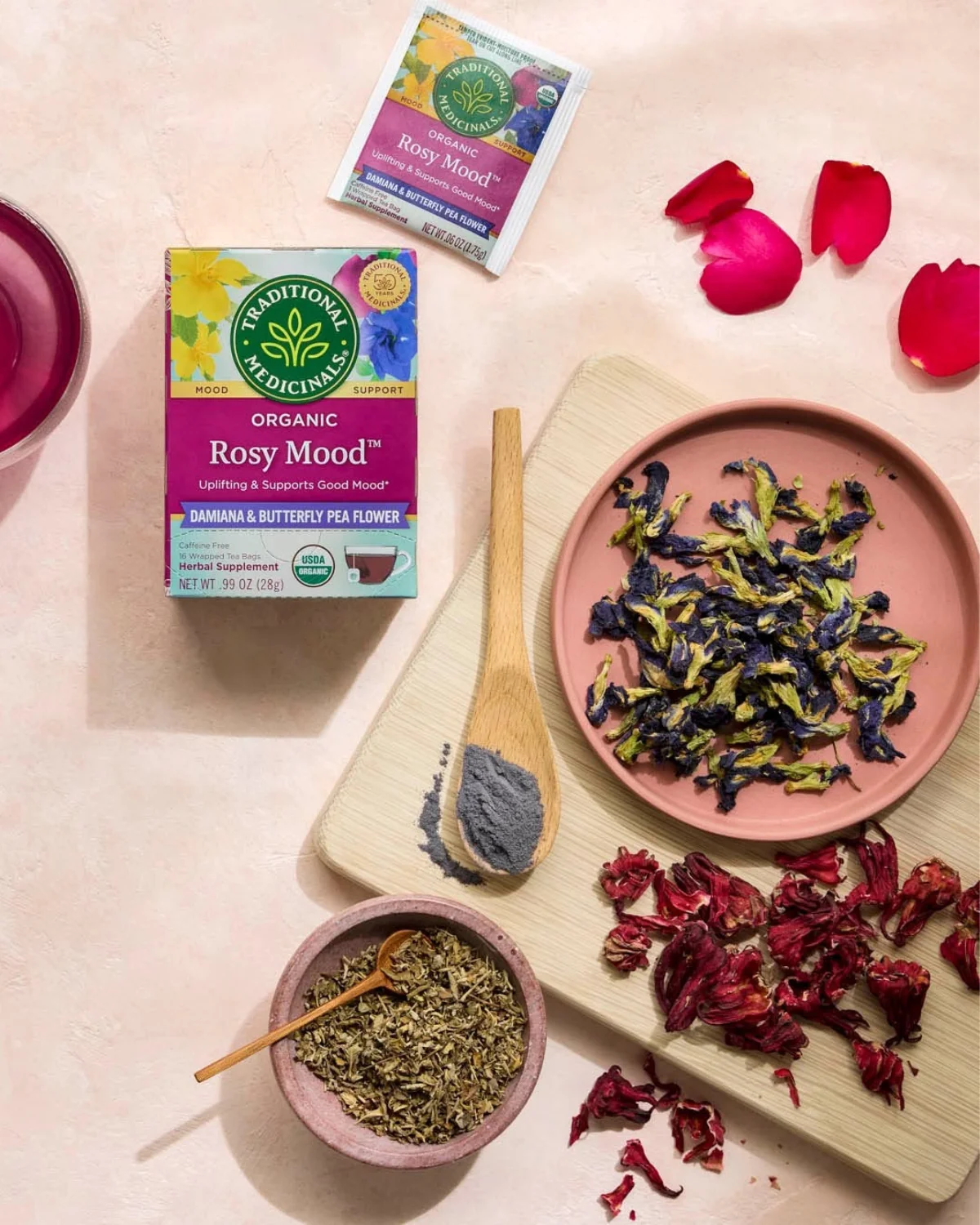
Traditional Medicinals combines more than 50 years of herbal expertise with one of the most established quality programs in the herbal tea industry.
Unlike many tea brands that primarily focus on flavor, Traditional Medicinals develops its blends around traditional herbal medicine and modern botanical science.
The company sources more than 99% organic herbs, works with long-term farming partners around the world, and evaluates every batch through field-to-cup quality testing that includes identity, purity, and composition verification before production.
Its emphasis on certified organic sourcing, ethical supply chains, expert-formulated herbal blends, and transparent sustainability practices makes it one of the strongest herbal tea brands we reviewed.
Price
$7-$10+
Testing & Certifications
USDA Organic | Non-GMO Project Verified | Field-to-Cup Identity, Purity & Composition Testing | Expert-Formulated Herbal Blends | In-House Quality Laboratory | Tea Bags
location/shipping
United States | Ships Internationally
Where Many Tea Brands Fall Short
Many tea brands invest heavily in promoting their products as “natural,” “clean,” “premium,” or “wellness” teas, but provide very little evidence to support those claims.
What we found most often was not necessarily poor-quality tea. It was a lack of transparency.
Many manufacturers do not explain where their tea is sourced, whether finished products are tested for contaminants, what materials their tea bags are made from, or how they verify quality before products reach consumers.
Some brands rely almost entirely on organic certifications or broad health claims while providing little information about pesticide screening, heavy metal testing, microbial testing, or quality assurance practices.
Others use marketing terms like “clean” or “detox” without explaining what those claims actually mean or how they are supported.
This does not automatically mean a tea is unsafe. It simply means consumers have less information to evaluate the quality and safety of the product they are drinking.
The brands featured in this guide earned stronger evaluations because they backed their claims with documented testing, transparent sourcing, recognized certifications, or clearly explained quality control programs instead of relying primarily on marketing language.
Loose-Leaf Tea vs. Tea Bags: Which Is Better?
For most consumers, high-quality loose-leaf tea is the better option. It eliminates the tea bag itself, giving you one less potential source of exposure from packaging materials.
That doesn’t mean every loose-leaf tea is safer. The quality of any tea still depends on how it was grown, processed, and tested.
Tea bags can be an excellent choice when manufacturers disclose the materials they use. Some brands use paper or plant-based fibers, while others use plastic-containing materials.
If you’re choosing between the two, we recommend high-quality loose-leaf tea whenever possible. If you prefer tea bags, look for brands that clearly disclose their tea bag materials and quality testing.
Frequently Asked Questions About Non-Toxic Tea
No. USDA Organic certification restricts the use of many synthetic pesticides during cultivation, but it does not guarantee a finished tea has been tested for pesticide residues, heavy metals, or other contaminants.
When comparing tea brands, it’s also important to consider testing practices, sourcing transparency, and packaging materials.
There isn’t one “safest” type of tea. Green, black, white, and herbal teas can all be high quality when they’re sourced responsibly and produced under strong quality standards.
The manufacturer’s testing, sourcing, and packaging practices are generally more important than the type of tea itself.
Generally, yes. Loose-leaf tea eliminates the tea bag as a potential source of exposure, particularly if plastic-containing tea bags are used.
However, loose-leaf tea should still come from a manufacturer that provides transparent sourcing and quality testing.
If possible, yes. Research has shown that certain plastic tea bags can release micro- and nanoplastic particles when steeped in hot water.
While the long-term health effects are still being studied, many consumers choose loose-leaf tea or brands that use plastic-free tea bags.
Not necessarily. Natural flavors are a regulated food-labeling term, but they do not identify the specific ingredients used.
If ingredient transparency is important to you, choose teas made with clearly listed herbs, spices, fruits, and botanicals instead of generic flavor descriptions.
Look for brands that provide evidence, not just marketing claims. Transparent sourcing, contaminant testing, recognized certifications, clearly disclosed tea bag materials, and detailed quality assurance practices provide a stronger indication of quality than labels such as “clean,” “natural,” or “premium.”
Choosing the Right Non-Toxic Tea
Choosing a non-toxic tea isn’t about finding a brand that claims to be “clean” or “premium.” It’s about choosing one that provides meaningful evidence of how its products are sourced, tested, and manufactured.
While no tea can be guaranteed completely free of environmental contaminants, brands that disclose their quality standards, contaminant testing, ingredient sourcing, and packaging materials give consumers a clearer picture of what they’re buying.
Throughout our research, one factor consistently separated the strongest brands from the rest: transparency.
Companies that openly explain how they verify quality make it easier for consumers to evaluate their products, while brands that rely primarily on marketing claims leave more questions unanswered.
If you’re looking for the safest option, prioritize tea brands that combine responsible sourcing, recognized certifications, documented testing, and clear manufacturer disclosure. Those practices provide far stronger evidence of quality than labels such as “natural,” “clean,” or “wellness” alone.
Ultimately, the goal isn’t to find a tea that’s marketed as non-toxic. It’s to choose a brand that gives you the information needed to make an informed decision.
Continue Your Research…
Making informed choices about tea is just one part of reducing everyday chemical exposure.
These evidence-based guides can help you evaluate the products that come into contact with your food, drinks, and home.
- Non-Toxic Coffee: Learn how we evaluate coffee brands based on sourcing, contaminant testing, roasting practices, and ingredient transparency.
- Non-Toxic Tea Kettles: Compare stainless steel, glass, and other kettle materials to understand what comes into contact with your drinking water.
- Non-Toxic Water Filters: Discover how different filtration technologies work and which contaminants they’re designed to reduce.
- BPA-Free Plastics: Understand what BPA-free actually means, common plastic alternatives, and why food-contact materials matter.
- Greenwashing: Learn how to identify misleading marketing claims and separate evidence-based safety information from advertising.
📌 Save This Guide For Later
Choosing a non-toxic tea involves more than simply looking for an organic label. Save this guide to compare brands, review our evaluation criteria, and refer back to it the next time you’re shopping for loose-leaf tea or tea bags.
Sources & Scientific References
- U.S. Food and Drug Administration (FDA) — Guidance on food safety, Current Good Manufacturing Practices (CGMPs), natural flavor labeling, and food manufacturing standards.
- U.S. Department of Agriculture (USDA) National Organic Program — Federal standards governing organic farming practices, organic certification requirements, and permitted agricultural inputs.
- U.S. Environmental Protection Agency (EPA) — Information on pesticide regulation, pesticide residues, and agricultural chemical safety.
- World Health Organization (WHO) — Research on food safety, chemical contaminants in foods, and public health risk assessment.
- National Institutes of Health (NIH) / PubMed — Peer-reviewed research examining heavy metals in tea, contaminant transfer during brewing, and factors affecting tea composition.
- European Food Safety Authority (EFSA) — Scientific opinions and risk assessments related to pesticide residues, food contaminants, and dietary exposure.
- Current Good Manufacturing Practices (CGMPs) — FDA manufacturing standards outlining quality control, sanitation, and safety requirements for food and dietary supplement production.
- Peer-Reviewed Studies — Research on pesticide residues in tea, heavy metals, microplastic release from tea bags, naturally occurring contaminants, mycotoxins, and tea packaging materials.
- Regenerative Organic Alliance — Information on Regenerative Organic Certified® standards, including soil health, biodiversity, and responsible agricultural practices.
- Non-GMO Project — Independent verification standards for products produced in accordance with Non-GMO Project requirements.
- Company Quality & Testing Documentation — Publicly available sourcing, quality assurance, certification, and testing information published by the manufacturers included in this guide.







Hello! The company that you mentioned (arborteas) has the most rigorous testing does not mention here or on their website that there are no heavy metal or toxins. It only mentions:
GMOs (Genetically Modified Organisms)
Sewage sludge
Irradiation
Synthetic fertilizers and pesticides
Am I missing something because this does not seem like rigorous testing?
Hi Tam! We appreciate your concerns regarding Arbor Tea’s lack of specific certifications/testing for heavy metals and toxins. While some tea brands do provide specifics around the level of heavy metals found in their teas, no tea brand can guarantee their products are 100% free from toxic contaminants. However, Arbor Teas has robust quality control measures in place.
They exclusively offer USDA Organic certified teas, which means these teas are grown without synthetic pesticides, herbicides, or fertilizers—which are the main sources of heavy metals and toxins found in commercially grown teas.
Additionally, before adding any new tea to their offerings, Arbor Tea conducts extensive comparative testing to ensure only the highest quality teas are offered. This involves evaluating teas from different sources and selecting only those that meet their strict quality standards. They also conduct soil screenings and ongoing monitoring to ensure compliance with organic standards. This extra layer of scrutiny helps mitigate risks associated with heavy metals and toxic contaminants.
We have reached out to Arbor Tea to see if they can provide us with more details regarding their soil testing process/standards and will update you once we hear back.
We hope this information helps clarify their commitment to delivering safe and enjoyable tea!
The article states “The TFC team has dedicated countless hours to rigorously testing and evaluating 19 different tea brands”. Could you clarify exactly what testing you conducted?
Thanks for your question, Sam! We personally purchase each item that we share on our site for review and testing. For teas, we were looking for a variety of things, but I’m assuming you are talking about how we tested for heavy metals/lead/etc?
We use the following methods: Inductively Coupled Plasma Mass Spectrometry (ICP-MS)
Inductively Coupled Plasma Atomic Emission Spectrometry (ICP-AES)
Flame air-acetylene atomic absorption spectrometry
UV-Vis spectrophotometry
Enzyme-linked immunosorbent assay (ELISA)
Graphite metal spectrometry
My friend bought some hyssop Tea for me from Amazon, but it’s from China, not sure if I’m comfortable with drinking it. It’s a teabag.
That’s a very reasonable concern — you’re not overthinking it.
When it comes to herbal teas (especially lesser-known herbs like hyssop), where and how they’re sourced matters just as much as the plant itself. Teas sold through large marketplaces can vary widely in quality, and sourcing from regions with different agricultural and contamination standards can raise legitimate questions around pesticide residues, heavy metals, and processing controls.
If a tea doesn’t clearly disclose:
– third-party testing (for heavy metals/pesticides),
– country of origin and processing,
– or transparent quality standards,
it’s completely valid to skip it — especially for something you’ll be ingesting regularly.
For peace of mind, we generally recommend choosing herbal teas that are organically grown, clearly sourced, and independently tested, ideally from brands that specialize in tea or medicinal herbs rather than mass-market sellers.
Thanks for bringing this up — it’s exactly the kind of label and sourcing awareness we encourage.
Is there a loose leaf tea bag you recommend? I have ourchased “unbleached”, “all natural pulp” bacs, in the past….but looking for something more clearly non-toxic. Sending my daughter off to college in the fall and want to make sure I have all the little details ready 🙂 Thank you!
yes i would like to know about barry.s tea is it plastic free ? and what about twining tea bags are they plastic free
Thanks for your question, Gordon.
Barry’s Tea states that its tea bags are made from plant-based, biodegradable materials and are free from polypropylene plastic, although this can vary by product and market. If you’re purchasing Barry’s Tea outside of Ireland or the UK, it’s worth checking the packaging or contacting the company directly to confirm the materials used for that specific product.
Twinings has also transitioned many of its tea bags to plant-based, biodegradable materials that do not contain polypropylene plastic. However, because Twinings sells products in different countries, some packaging and tea bag materials may vary by region.
If avoiding plastic is your top priority, look for brands that clearly state their tea bags are plastic-free and compostable, and avoid tea bags that don’t disclose the filter material. We plan to continue updating our guide as manufacturers change their packaging and materials.
This article is so disingenuous! You talk about transparency and finding the healthiest teas as you completely ignore the biggest problem with teas which is their incredibly high levels of poisonous fluoride. How can you begin to write an article about healthy teas without addressing this huge concern?
Thank you for raising this. You are absolutely right that fluoride is an important consideration when evaluating tea, and it is something we should address more clearly in this guide.
Tea plants, particularly Camellia sinensis, naturally accumulate fluoride from the soil, and the amount that ends up in a brewed cup can vary considerably depending on the type of tea, the age of the leaves, where it was grown, and how it is brewed. Some teas can contain relatively high levels, which may be particularly relevant for people who drink several cups every day.
This article focused heavily on things like pesticide testing, heavy metals, ingredient and sourcing transparency, and packaging, but fluoride deserves its own discussion as well. One of the challenges is that many tea companies do not currently publish fluoride testing results, so we also do not want to label a particular brand “low fluoride” without actual data to support that claim.
Thank you for pointing out the gap. We will take this into consideration as we continue updating and improving the guide.