This post may contain affiliate links. By browsing this website, you agree to our disclaimer, privacy policy, and terms of use.
Non-toxic men’s swimwear is increasingly in demand, but most swim trunks are still made from synthetic materials designed for performance rather than material safety.
Polyester, nylon, and elastane dominate this category, often combined with dyes, coatings, and finishing chemicals that are rarely disclosed.
In reality, there are very few options that avoid synthetic fibers entirely.
Most “sustainable” swimwear focuses on recycled materials, which may reduce environmental impact but do not eliminate microplastic shedding or chemical processing associated with synthetic textiles.
This creates a clear tradeoff. Fully natural materials tend to reduce chemical exposure but sacrifice stretch and performance, while synthetic options improve durability and function but maintain a higher exposure profile.
In this guide, we examined the materials, manufacturing practices, and chemical considerations behind men’s swimwear to identify the small number of lower-exposure options and to clarify how the rest of the category compares.
For a broader comparison across categories, see our guides to non-toxic women’s swimwear and safer swimwear options for kids, which evaluate similar materials and exposure considerations across different use cases.
The first step is understanding what these products are actually made of.
Non-Toxic Men’s Swimwear Comparison Table
Mobile Users: Scroll to see full comparison →
| Brand | Synthetic % | PFAS-Free Claim | Certifications | Key Materials | Microplastics | Best For |
|---|---|---|---|---|---|---|
| Rawganique | 0% | Likely (No Coatings) | None Listed | Organic Linen | None | Lowest Exposure, Non-Synthetic |
| Afends | High (72%) | Not Disclosed | OEKO-TEX® (Brand-Level) | Recycled Polyester & Cotton | Hemp | Elastane | Moderate | Reduced Synthetic Blend |
| Outerknown | 100% | Not Disclosed | Some Bluesign® Use (Brand-Level) | Recycled Nylon | Spandex | High | Improved Sourcing (Ocean Plastics) |
| Finisterre | 100% | Not Disclosed | Limited | Recycled Polyamide (Nylon) | High | Traceability, Recycled Materials |
| Patagonia | Moderate (41%) | Yes (Brand-Level PFAS-Free Direction) | Bluesign® | Organic Cotton | Recycled Polyester | Spandex | Moderate | Performance With Better Controls |
| Kampos | 100% | Not Disclosed | B Corp (Not Chemical-Specific) | Recycled Polyester | High | Sustainability-Focused Choice |
What’s Actually In Men’s Swimwear
Most men’s swimwear is made from a small group of synthetic materials designed for durability, stretch, and quick drying.
While these fabrics improve performance, they also introduce chemical-intensive manufacturing, coatings, and environmental concerns that are rarely disclosed.
Synthetic Base Fabrics
Most swim trunks are made from:
- Polyester
- Nylon (polyamide)
- Elastane (spandex)
These materials are petroleum-derived and are engineered for water resistance and flexibility. Even when recycled, they remain synthetic and continue to shed microplastics.
Chemical Treatments & Finishes
To enhance performance, swimwear may include:
- Water-repellent coatings
- Antimicrobial treatments
- UV protection finishes
- Fabric softeners and stabilizers
Some of these treatments have historically relied on PFAS or similar compounds, which are classified by the U.S. Environmental Protection Agency as persistent chemicals that do not easily break down in the environment, although disclosure varies by brand.
Textile Dyes & Processing Chemicals
Swimwear often uses synthetic dye systems, including disperse dyes.
Potential concerns include:
- Skin irritation
- Residual dye chemicals
- Heavy metal contamination in some processes
Microplastics & Fiber Shedding
Synthetic swimwear can release microfibers during:
- Washing
- Friction during wear
- Exposure to water
These microplastics persist in the environment and contribute to broader exposure concerns, as outlined in research from the International Union for Conservation of Nature on microfiber pollution from textiles.
Where Many Swimwear Brands Fall Short
“Sustainable” Doesn’t Mean Non-Toxic
Many swimwear brands now market themselves as sustainable, but these claims often focus on recycled materials rather than chemical safety.
Recycled polyester, for example, reduces reliance on virgin plastic but remains a synthetic fiber that undergoes similar chemical processing and continues to shed microplastics.
This creates a common misconception. Products labeled as “eco-friendly” may improve environmental impact without meaningfully reducing chemical exposure at the material level.
Limited Transparency Around Chemical Treatments
Most brands do not disclose:
- Dye formulations
- Finishing agents
- Antimicrobial treatments
- Water-repellent coatings
As a result, consumers are often unable to determine whether swimwear contains substances such as PFAS, heavy metal-based dyes, or biocidal additives.
Even when brands highlight sustainability or durability, chemical inputs are rarely part of the conversation.
PFAS-Free Claims Are Inconsistent
As awareness of PFAS in textiles has grown, driven in part by regulatory attention from agencies such as the European Chemicals Agency, some brands have begun marketing products as “PFAS-free.”
However, these claims are not always standardized or verified.
In many cases:
- Claims apply only to specific product lines
- Testing is not disclosed
- Alternative coatings are not clearly explained
Without third-party certification or full transparency, it can be difficult to confirm whether these materials truly avoid fluorinated chemicals.
Over-Reliance On Synthetic Performance Fabrics
The swimwear category is heavily optimized for:
- Stretch
- Durability
- Chlorine resistance
- Quick drying
These performance features are typically achieved through polyester, nylon, and elastane, often combined with chemical treatments that enhance water resistance and longevity.
As a result, most products prioritize function over material simplicity, leaving few options that significantly reduce synthetic exposure.
Certifications Don’t Tell the Full Story
Certifications such as OEKO-TEX Association Standard 100 and Bluesign Technologies can help limit certain harmful substances during manufacturing.
Certified fabrics may still:
- Contains synthetic fibers
- Undergo chemical processing
- Include undisclosed treatments within allowed thresholds
These standards can improve safety, but they do not eliminate exposure concerns entirely.
Why This Matters For Choosing Safer Swimwear
Because of these limitations, identifying lower-exposure options requires looking beyond marketing claims and focusing on:
- Material composition (natural vs synthetic)
- Presence of coatings or treatments
- Level of transparency and certification
In practice, this means that truly low-exposure swimwear is rare, and most available options represent varying degrees of compromise.
Similar patterns appear in other seasonal products, including sunscreens and footwear, where performance claims often take priority over ingredient or material transparency.
How We Evaluated These Products
Because most swimwear relies on synthetic materials and chemical treatments, identifying safer options requires looking beyond marketing claims and focusing on how products are actually made.
The brands in this guide were evaluated based on material composition, chemical exposure considerations, and overall transparency.
Materials & Fiber Composition
Material choice is one of the most important factors in determining exposure.
We prioritized:
- Natural fibers such as linen, hemp, and organic cotton
- Reduced reliance on synthetic materials like polyester and nylon
Products made entirely from synthetic fibers were evaluated more critically, even when labeled as recycled, due to ongoing concerns around microplastic shedding and chemical processing.
Chemical Treatments & Finishes
Swimwear often includes coatings and treatments designed to improve performance.
We assessed whether products:
- Avoided or disclosed PFAS-based water-repellent finishes
- Used antimicrobial or “odor-resistant” treatments
- Relied on additional fabric softeners or stabilizers
Limited disclosure in this area was treated as a potential drawback, as chemical inputs are rarely fully transparent.
Certifications & Safety Standards
Third-party certifications can provide some insight into chemical restrictions during manufacturing.
We considered:
- OEKO-TEX® Standard 100
- Bluesign® approved fabrics
These certifications help limit certain harmful substances, but do not indicate that a product is entirely free from chemical processing or synthetic materials.
Transparency & Brand Disclosure
Brands that clearly disclosed:
- Material sourcing
- Fabric composition
- Manufacturing processes
They were rated more favorably than those relying on vague sustainability claims. A lack of transparency, particularly around coatings, dyes, and treatments, was considered a limitation.
Design & Performance Tradeoffs
Swimwear is inherently performance-driven, so we also evaluated how design choices impact exposure.
Key considerations included:
- Use of elastane for stretch
- Presence of mesh linings or additional layers
- Durability and expected lifespan
Products that reduced material complexity or avoided unnecessary blends were considered lower exposure, even if performance tradeoffs were involved.
How This Impacts The Final Recommendations
Because no swimwear option is completely free from tradeoffs, the products included in this guide are grouped based on:
- How much they reduce synthetic material use
- How well they limit or disclose chemical treatments
- How transparent the brand is about production
This approach reflects a more realistic view of the category. The goal is not perfection, but a meaningful reduction in exposure where possible.
Products That Perform Best (Based on Material Safety & Chemical Exposure)
Because most men’s swimwear relies on synthetic fabrics and chemical treatments, very few options can be considered truly non-toxic.
Instead, available products fall along a spectrum, from natural fiber alternatives that minimize exposure to synthetic designs that prioritize performance while making limited improvements in materials or chemical controls.
The brands below are grouped based on how effectively they reduce reliance on synthetic fibers, limit chemical treatments, and improve transparency around materials and manufacturing.
In practice, this means:
- Some options focus on eliminating synthetic materials entirely
- Others aim to reduce overall chemical load
- Many improve sustainability without significantly changing exposure
This structure reflects the reality of the category.
Most products involve tradeoffs, and safer choices are defined by how much exposure they reduce, not whether they eliminate it completely.
The following tiers reflect how each brand approaches material safety and chemical exposure.
Tier 1 — Lowest Exposure (Fully Natural Materials)
These options avoid synthetic fibers entirely and focus on simple, minimally processed materials to reduce overall chemical exposure.

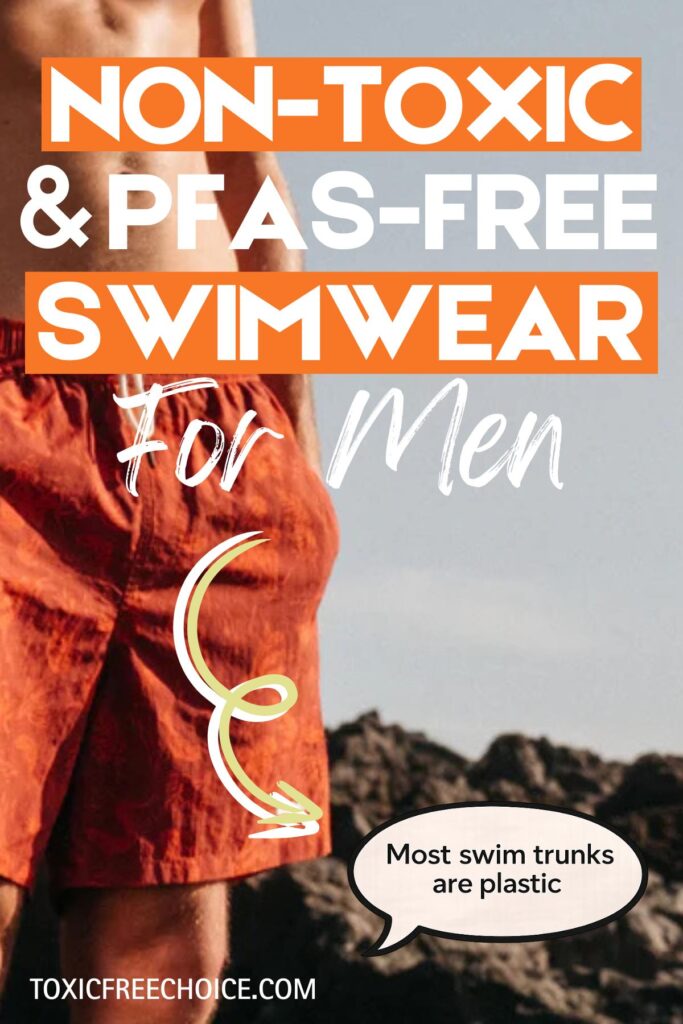
Rawganique is one of the few brands offering swim-capable shorts made entirely without synthetic fibers.
These shorts are constructed from 100% organic linen, eliminating polyester, nylon, and elastane, materials commonly associated with microplastic shedding and chemical treatments.
The brand also avoids shrink-proofing processes, which often rely on PFAS or similar finishing agents.
As a result, the product prioritizes material purity over performance, with clear limitations in stretch and durability under heavily chlorinated conditions.
Price & Sizing
$119 | S-2XL
Materials
100% Organic Linen (Outer + Lining) | Organic Cotton Thread | Natural Rubber + Organic Cotton Elastic | No Polyester, Nylon or Elastane
location/shipping
United States | Ships Worldwide
Tier 2: Reduced Exposure (Hybrid & Lower-Synthetic Options)
These brands combine natural fibers with synthetics or improve material sourcing, lowering overall exposure without eliminating it completely.

Afends takes a hybrid material approach by combining hemp and cotton with recycled synthetics, reducing total reliance on petroleum-based fibers compared to standard swimwear.
The inclusion of hemp is notable, as it requires fewer chemical inputs during cultivation and adds durability to the fabric blend.
However, the shorts still contain recycled polyester and elastane, which means microplastic shedding and synthetic exposure are not fully eliminated.
Water-repellent and quick-dry performance features suggest additional textile treatments, though full chemical disclosure is not provided.
Price & Sizing
$99.99 | XS-XL
Materials
66% Recycled Polyester | 20% Recycled Cotton | 8% Hemp | 6% Elastane
location/shipping
Australia | Ships To The United States & Internationally

Outerknown uses recycled nylon derived from discarded fishing nets, reducing reliance on virgin petroleum inputs while addressing ocean waste.
The fabric blend still includes elastane, meaning the product remains fully synthetic and continues to present microplastic shedding potential.
The brand’s use of NetPlus® material reflects a shift toward circular sourcing, but does not eliminate chemical processing or the exposure concerns associated with synthetic fabrics.
While Outerknown emphasizes responsible production, full transparency around coatings and finishing treatments remains limited.
Price & Sizing
$168 | XS-3XL
Materials
90% NetPlus® Recycled Nylon (Fishing Nets) | 10% Spandex
location/shipping
United States | Ships Internationally

Finisterre uses 100% recycled polyamide (nylon), reducing dependence on virgin petroleum inputs while maintaining a fully synthetic construction.
This material choice helps address resource use, but does not eliminate microplastic shedding or chemical-intensive manufacturing.
The product includes features like mesh lining and printed designs, which may involve additional dyes and treatments that are not fully disclosed.
While the brand emphasizes environmental responsibility and supply chain transparency, the exposure profile remains similar to other synthetic swimwear.
Price & Sizing
$95 | XS-2XL
Materials
100% Recycled Polyamide (Nylon) | Mesh Inner Lining
location/shipping
United Kingdom | Ships To The United States & Internationally
Tier 3: Synthetic With Improvements (Performance & Sustainability Focus)
These products remain fully synthetic but incorporate certifications or design choices that help limit certain chemical risks.
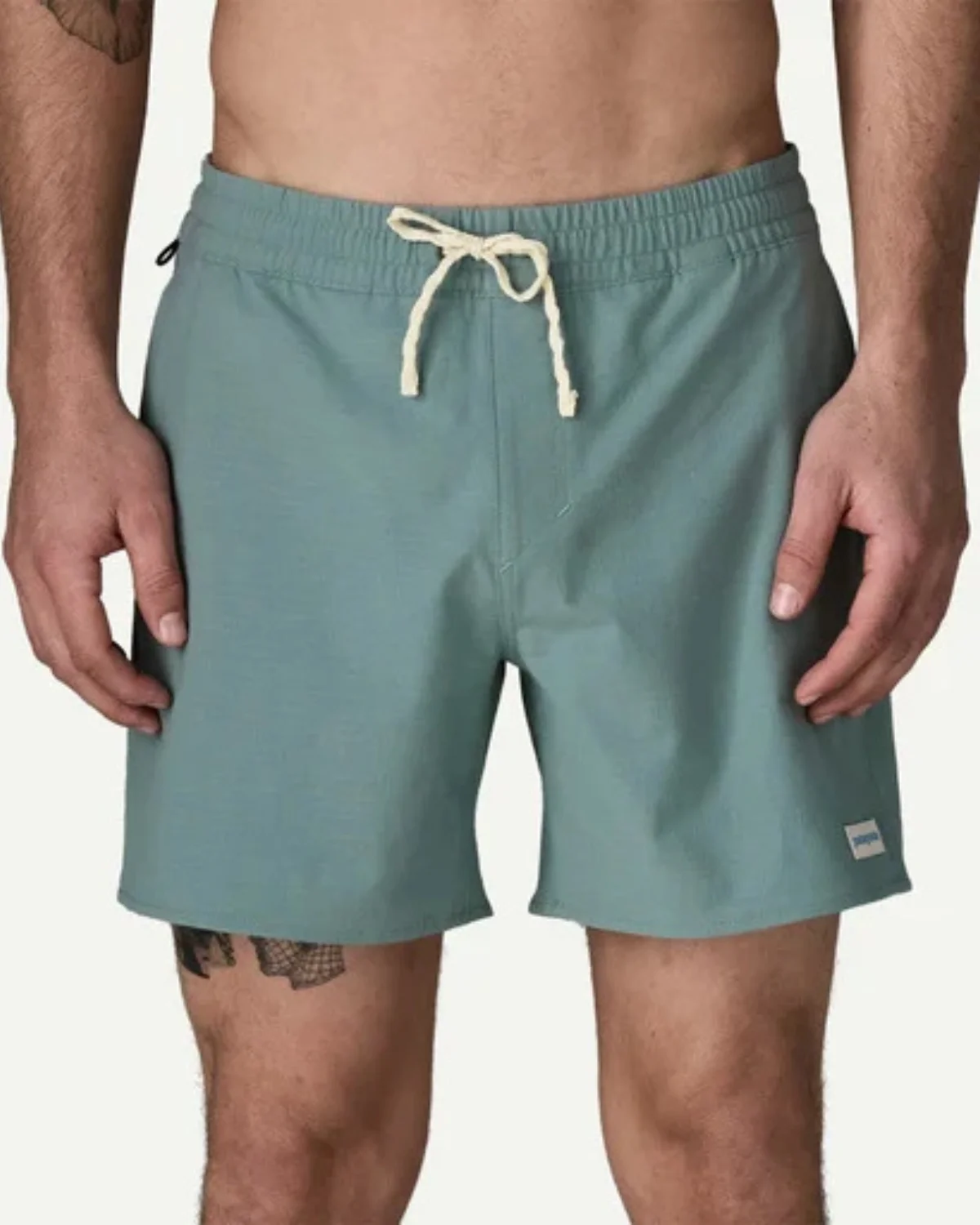
Patagonia uses a blended fabric that incorporates organic cotton with recycled polyester and elastane, reducing total synthetic load compared to fully petroleum-based swimwear.
The inclusion of Bluesign®-approved fabric indicates tighter controls on chemical use during manufacturing, particularly around dyes and finishing agents.
However, the presence of polyester and spandex means the material still sheds microplastics and relies on synthetic processing.
While Patagonia has moved toward PFAS-free water-repellent treatments in many products, this specific item does not clearly confirm the absence of all fluorinated finishes.
Price & Sizing
$79 | XS-2XL
Materials
59% Organic Cotton | 28% Recycled Polyester | 13% Spandex | Bluesign® Certified
location/shipping
United States | Available Globally Via Regional Websites

Kampos uses 100% recycled polyester made from plastic bottles, reducing reliance on virgin petroleum and lowering overall environmental impact.
The brand is manufactured in Italy, which supports higher construction quality and more controlled production standards.
This makes it a strong option for those prioritizing sustainability and long-term durability in swimwear.
However, as a fully synthetic fabric, it does not reduce chemical exposure and still presents microplastic shedding concerns common to polyester textiles.
Price & Sizing
$251 | S-4XL
Materials
100% Recycled Polyester (Plastic Bottles)
location/shipping
Italy | Ships To The United States & Worldwide
What Type of Swimwear Do You Actually Need
Because no swimwear option eliminates exposure completely, the right choice depends on what you are trying to reduce.
Material, performance, and chemical considerations often involve tradeoffs.
If Chemical Exposure Is Your Main Concern
Prioritize materials that avoid synthetic fibers entirely or minimize chemical processing.
Look for:
- Natural fibers such as linen or hemp
- Minimal coatings or performance treatments
- Simple fabric construction without blends
Keep in mind that these options may sacrifice stretch, durability, and quick-drying performance.
If You Want To Reduce Microplastic Exposure
Synthetic fabrics are a primary source of microfiber shedding, especially during washing and water use.
To reduce this:
- Choose natural or lower-synthetic materials where possible
- Avoid high-elastane blends
- Limit frequent washing and abrasion
Even partial reductions in synthetic content can lower overall microfiber release.
If You Have Sensitive Skin
Skin irritation can be linked to dyes, coatings, or antimicrobial treatments used in textiles.
Look for:
- OEKO-TEX® certified fabrics
- Minimal or no “antibacterial” or odor-resistant treatments
- Simpler dye processes and lighter-colored fabrics
Avoid products with strong chemical odors or heavy finishing treatments.
If High Performance Is A Priority
For swimming, surfing, or frequent water exposure, performance features may be necessary.
In these cases:
- Look for brands that disclose PFAS-free treatments
- Prioritize certified fabrics such as Bluesign®
- Choose simpler synthetic constructions without unnecessary additives
This approach does not eliminate exposure but can help reduce it while maintaining function.
If Sustainability Is Your Main Focus
Some brands focus on reducing environmental impact through recycled materials and responsible production.
These options may:
- Reduce reliance on virgin plastics
- Support circular manufacturing
- Improve supply chain practices
However, recycled synthetic materials still behave similarly to conventional polyester in terms of chemical processing and microplastic shedding.
The Key Tradeoff
Most decisions in this category come down to a tradeoff between:
- Material simplicity and lower exposure
- Performance and durability
- Environmental impact and sustainability
Understanding which of these matters most will make it easier to choose the right option.
Signs Your Swimwear May Not Be As Safe As It Claims
Strong Chemical or “Plastic” Smell
A noticeable odor when swimwear is new can indicate the presence of finishing chemicals, dyes, or fabric treatments.
While some off-gassing may dissipate over time, strong or persistent smells suggest heavier chemical processing or residual finishing treatments
Skin Irritation After Swimming
Itching, redness, or rashes after wearing swim trunks may be linked to:
- Textile dyes
- Antimicrobial treatments
- Residual finishing chemicals
This is especially relevant in warm, wet conditions where skin contact is prolonged.
Excessive Fading or Dye Transfer
If swimwear fades quickly or transfers color onto skin or other fabrics, it may indicate unstable dye processes or lower-quality chemical fixation.
This can increase the likelihood of direct skin exposure to dye compounds.
“Eco” or “Sustainable” Without Clear Details
Terms like “eco-friendly” or “sustainable” are often used without explaining:
- Material composition
- Chemical treatments
- Certification standards
Without this information, these claims may reflect environmental positioning rather than reduced chemical exposure.
“Performance Coating” With No Explanation
Features such as:
- Water resistance
- Stain resistance
- Odor control
These “performance coatings” often rely on chemical treatments. When brands do not disclose what these coatings are or how they are tested, it becomes difficult to assess their safety.
Lack of Material Transparency
If a product listing does not clearly state:
- Fiber composition
- Fabric treatments
- Certifications
It is harder to evaluate overall exposure. Transparency is one of the most consistent indicators of product quality and safety in this category.
Expert Frequently Asked Questions About Non-Toxic Men’s Swimwear
Some swim trunks may contain PFAS, particularly those treated with water-resistant or stain-resistant coatings.
While many brands are moving toward PFAS-free formulations, disclosure is inconsistent and often not verified at the product level.
Without clear labeling or certification, it can be difficult to confirm whether a specific product avoids fluorinated chemicals.
Polyester swim trunks are widely used and generally considered stable for everyday wear.
However, they are produced through chemical-intensive processes and can shed microplastics during use and washing.
While not typically associated with acute health risks, they do not reduce chemical exposure compared to natural fiber alternatives.
Natural fibers such as linen, hemp, and organic cotton are generally considered lower exposure options because they avoid synthetic polymers and reduce reliance on chemical processing.
However, these materials are less common in swimwear due to performance limitations like reduced stretch and slower drying times.
Yes. Swimwear made from polyester, nylon, or elastane can release microfibers during washing and through friction while worn in water.
These microplastics can enter waterways and persist in the environment, contributing to broader exposure concerns.
Not necessarily. Many “eco-friendly” swim trunks are made from recycled polyester, which reduces environmental impact but does not eliminate synthetic fibers or synthetic chemical processing.
Sustainability claims often focus on materials sourcing rather than chemical exposure.
Research on dermal absorption from clothing is still developing, with ongoing investigation from institutions such as the National Institute of Environmental Health Sciences.
But some studies suggest that prolonged contact, especially in warm and wet conditions, can increase interaction between the skin and textile chemicals.
This is one reason why material choice and fabric treatments are relevant for sensitive individuals.
Recycled polyester reduces reliance on virgin plastic and may improve environmental impact.
However, it has a similar chemical structure and performance profile to conventional polyester, meaning it does not significantly change exposure to synthetic fibers or microplastic shedding.
Quick-dry properties are typically achieved through synthetic fibers and fabric treatments that repel water.
While these features improve performance, they may involve chemical processing that is not always disclosed. Safety depends on the specific materials and treatments used.
Final Assessment: Non-Toxic Men’s Swimwear
Most men’s swimwear is designed for performance, not material safety. Polyester, nylon, and elastane dominate the category, often combined with chemical treatments that are rarely disclosed.
While these materials improve durability and function, they do not reduce exposure to synthetic fibers, coatings, or microplastic shedding. There are very few options that avoid these materials entirely.
Natural fiber alternatives can reduce chemical exposure, but they come with tradeoffs in stretch, drying time, and long-term performance in water.
As a result, most available products represent varying degrees of compromise rather than a complete solution.
Sustainability-focused swimwear can improve environmental impact, particularly through recycled materials and responsible production.
However, these improvements do not necessarily translate to lower chemical exposure, as the underlying materials and processing methods often remain the same.
The most practical approach is to focus on reduction.
Choosing simpler materials, minimizing synthetic fiber content, and prioritizing transparency can help lower overall exposure. While no option is perfect, these factors make a meaningful difference over time.
Safer Summer Essentials To Explore
If you’re working to reduce chemical exposure in beach and outdoor products, these guides examine other common summer items and the materials used to make them:
- Non-Toxic Women’s Swimwear: A breakdown of materials, coatings, and exposure considerations across women’s swim styles.
- Non-Toxic Kids’ Swimwear: Focuses on material safety and exposure risks in children’s swimwear, where skin sensitivity and wear time are higher.
- Most Toxic Sunscreen Brands To Avoid + Safer Options: Compares chemical and mineral sunscreen formulations, including UV filters and inactive ingredients.
- Organic After Sun Lotions: Reviews common after-sun ingredients, including fragrances, preservatives, and soothing alternatives.
- DEET-Free Non-Toxic Bug Spray: Breaks down active ingredients and provides alternatives to conventional insect repellents.
- Non-Toxic Beach Toys: Looks at plastics, dyes, and materials used in toys exposed to heat, sand, and water.
📌 Save This Guide For Later
If you’re shopping for non-toxic men’s swimwear, this guide breaks down what actually matters, from synthetic fabrics and PFAS coatings to microfiber shedding and safer material alternatives.
Bookmark this so you can come back when it’s time to upgrade your swim trunks, avoid hidden chemicals, and choose options that are actually better for your health and the environment.
Sources & Scientific References
- U.S. Environmental Protection Agency (EPA) — PFAS in consumer products and environmental persistence. https://www.epa.gov/pfas/pfas-explained
- European Chemicals Agency (ECHA) — REACH regulations on textile chemicals and restricted substances. https://environment.ec.europa.eu/topics/chemicals/reach-regulation_en
- National Institute of Environmental Health Sciences (NIEHS) — Research on dermal exposure and chemical absorption. https://pmc.ncbi.nlm.nih.gov/articles/PMC4270264/
- OEKO-TEX® Association — Standards for harmful substances in textiles (Standard 100). https://www.oeko-tex.com/en/our-standards/oeko-tex-standard-100/
- Bluesign® Technologies — Chemical management and textile processing standards. https://www.bluesign.com/our-standards-criteria
- Peer-reviewed studies on microplastics from synthetic textiles (including research on microfiber shedding during washing and wear). https://www.sciencedirect.com/science/article/pii/S0269749124011692
- International Union for Conservation of Nature (IUCN) — Microplastics from textiles in marine environments. https://www.eea.europa.eu/en/analysis/publications/microplastics-from-textiles-towards-a-circular-economy-for-textiles-in-europe
- Textile Exchange — Reports on synthetic fibers, recycled polyester, and material impacts. https://textileexchange.org/knowledge-center/reports/materials-market-report-2025/
- Zero Discharge of Hazardous Chemicals (ZDHC) — Guidelines on chemical management in textile manufacturing. https://www.eurofins.com/textile-leather/articles/your-guide-to-zdhc-compliance/
- Scientific literature on disperse dyes and textile-related skin irritation (contact dermatitis studies in dermatology journals). https://pmc.ncbi.nlm.nih.gov/articles/PMC3861849/