This post may contain affiliate links. By browsing this website, you agree to our disclaimer, privacy policy, and terms of use.
Non-toxic swimsuits are becoming a growing area of interest as consumers look more closely at the materials used in clothing that sits directly against the skin.
While swimwear is typically marketed based on style, performance, or sustainability, the chemical composition of these fabrics is rarely discussed. Most modern swimsuits are made from synthetic blends designed to stretch, resist chlorine, and dry quickly.
Achieving these performance characteristics often requires petroleum-derived fibers, chemical dye processes, and fabric treatments that may introduce substances such as PFAS, plasticizers, or heavy metal residues.
This has led to increasing curiosity around what qualifies as non-toxic swimwear. In practice, the term does not usually mean a swimsuit that is completely free of synthetic materials.
Instead, it generally refers to swimwear made with safer textile standards, reduced chemical treatments, and materials that have been tested for harmful substances.
Swimwear presents a unique challenge in this area. Natural fibers alone rarely provide the elasticity, durability, and water resistance required for swimming.
As a result, most non-toxic swimsuits still contain some synthetic components, but the manufacturing standards and material choices can vary significantly between brands.

In this guide, we examined the materials commonly used in swimwear, what research says about textile chemical exposure, and how different brands approach safer fabric production.
Based on those factors, we identified swimwear brands that appear to reduce potential chemical exposure compared with conventional swimwear.
What Research Says About Chemicals in Swimwear
Interest in non-toxic swimsuits is partly driven by broader research into chemical exposure from textiles.
Clothing sits directly against the skin for long periods, which has prompted researchers to study how substances used in fabric manufacturing may transfer to the body or environment.
Dermal Exposure From Textile Contact
One pathway researchers examine is dermal exposure, where chemicals migrate from fabrics onto the skin through friction, heat, or moisture.
Certain additives used in textile production—such as dyes, plasticizers, or finishing treatments—can gradually transfer from fibers over time.
Swimwear may create conditions that increase this interaction. Wet fabrics often remain tightly pressed against the skin, and higher temperatures from sun exposure may accelerate the movement of substances within textile materials.
While the levels of exposure from clothing are still being studied, researchers generally agree that direct skin contact is a relevant exposure pathway, particularly for garments worn for extended periods.
Chlorine, Sunlight, and Fabric Degradation
Swimwear is also exposed to environmental stressors that everyday clothing rarely encounters.
Saltwater, chlorinated pool water, and UV radiation can gradually break down synthetic fibers and dye compounds. As fabrics degrade, small amounts of additives used during manufacturing may be released.
This process is one reason textile safety certifications often test fabrics not only for restricted substances but also for chemical stability under normal wear conditions.
Microplastic Pollution From Synthetic Swimwear
Environmental research has also highlighted the impact of synthetic clothing on microplastic pollution. Polyester and nylon—two of the most common swimwear materials—are forms of plastic.
During washing and normal wear, these fabrics can shed microscopic fibers that enter wastewater systems and eventually reach rivers and oceans. Once released, microplastic fibers can persist in aquatic ecosystems and accumulate in marine organisms.
Because swimwear is frequently exposed to water and washed regularly, it contributes to this broader environmental issue.
For this reason, some sustainable swimwear brands now prioritize recycled materials, lower synthetic content, or alternative fibers in an effort to reduce long-term environmental impact.
Where Many “Non-Toxic Swimwear” Brands Fall Short
As interest in safer clothing has grown, many brands now market their swimwear as eco-friendly, sustainable, or non-toxic.
However, these claims can be difficult to evaluate because the terminology used in apparel marketing is often loosely defined.
Understanding where marketing language diverges from material reality can help consumers make more informed decisions.
Recycled Fabrics Are Still Synthetic Polymers
Many swimwear brands highlight the use of recycled polyester or recycled nylon derived from plastic bottles or fishing nets.
While recycling reduces waste entering landfills or oceans, the resulting fibers remain chemically similar to conventional synthetic fabrics. They still contain plastic polymers and may shed microplastic fibers during washing.
Recycled materials can represent an environmental improvement, but they do not necessarily eliminate the chemical concerns associated with synthetic textiles.
“Plant-Based” Swimwear Often Remains Chemically Processed
Some swimwear companies promote fabrics derived from plant feedstocks such as castor beans.
These materials can reduce reliance on petroleum-based inputs, but they are still manufactured through polymerization processes that create synthetic fibers.
As a result, plant-derived polyamides function similarly to traditional nylon in performance and chemical composition.
Certification Claims Vary Widely
One of the most reliable indicators of textile safety is third-party certification.
Programs such as OEKO-TEX Standard 100 test fabrics for hundreds of restricted substances, including certain dyes, heavy metals, and chemical residues.
However, many brands use terms like “clean fabrics,” “green swimwear,” or “eco-conscious materials” without providing third-party testing documentation. Without certification or transparent materials disclosure, these claims can be difficult to verify.
How We Evaluated These Non-Toxic Swimsuits
Because swimwear must balance performance with material safety, no swimsuit can realistically eliminate every synthetic component.
Instead, the goal of this evaluation was to identify brands that reduce potential chemical exposure compared with conventional swimwear while maintaining durability and comfort in water.
Several factors were considered when reviewing swimwear brands for this guide.
Fabric Materials
The first factor examined was the type of fibers used in the swimsuit fabric.
Brands using natural fibers, plant-derived materials, or recycled synthetics with documented safety standards were prioritized over conventional virgin polyester or nylon fabrics.
While synthetic fibers are often necessary for stretch and performance, some manufacturers now incorporate plant-based polyamides, recycled materials, or natural fiber blends that may reduce reliance on petroleum-based textiles.
Textile Certifications
Third-party textile certifications were also considered when available.
Certifications such as OEKO-TEX Standard 100, Global Organic Textile Standard (GOTS), and Global Recycled Standard (GRS) can help verify that fabrics have been tested for restricted substances or meet certain environmental standards.
These certifications do not necessarily mean a product is completely free from synthetic materials, but they can indicate that the fabric has been screened for potentially harmful chemicals used in textile production.
Chemical Treatment Policies
Some swimwear fabrics include chemical finishes designed to improve water resistance, stain resistance, or durability.
Particular attention was given to brands that disclose policies regarding PFAS-free manufacturing or reduced chemical treatments.
Several apparel companies have begun phasing out intentionally added PFAS in response to growing environmental and regulatory scrutiny.
Material Transparency
Transparency was another important factor.
Brands that clearly disclose their materials, production methods, and certification standards provide more reliable information for evaluating product safety.
When material composition or chemical policies are difficult to verify, it becomes harder to determine whether a product meaningfully reduces exposure risks.
Durability and Intended Use
Finally, swimwear must still function as swimwear.
Materials were evaluated in the context of performance, durability, and water exposure, since fabrics that degrade quickly can also release more fibers or chemical residues over time.
Some natural fiber swimsuits may prioritize reduced synthetic content over athletic performance, while others use blended fabrics designed to balance durability and material safety.
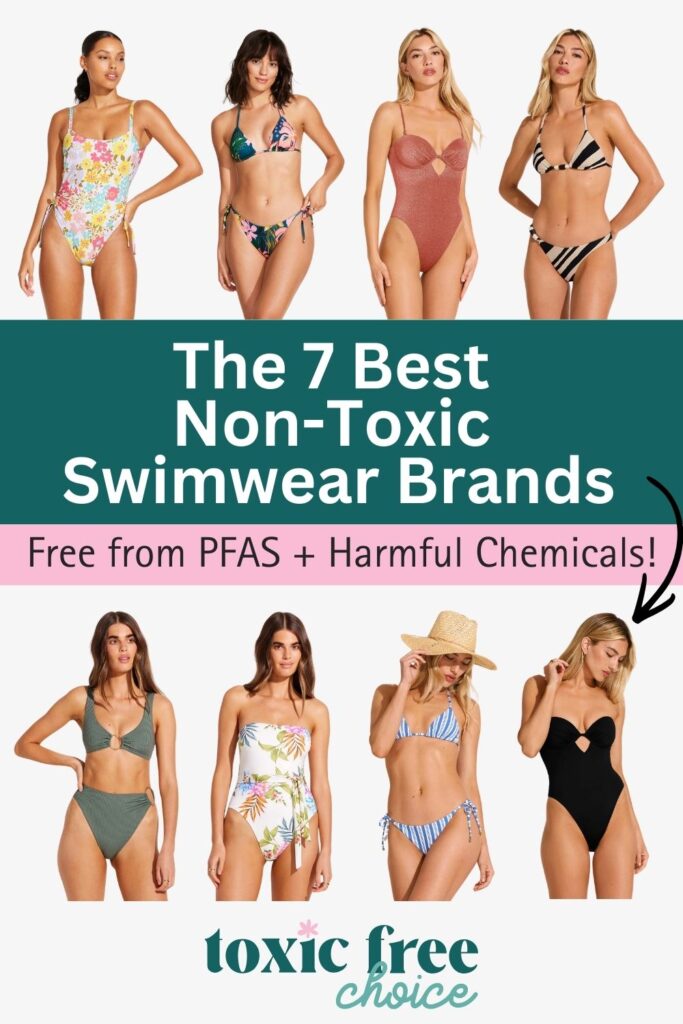
Based on the factors above, the following brands stood out for their materials transparency, textile certifications, and efforts to reduce potentially harmful chemical treatments compared with conventional swimwear.
These brands represent a range of approaches—from natural fiber swimwear to recycled synthetics manufactured under stricter textile safety standards.
The Best Non-Toxic Swimwear Brands For Women

Best for shoppers looking for plant-based performance fabrics with third-party textile safety certification.
Vitamin A is a California-based swimwear brand known for incorporating plant-derived materials into performance swimwear.
Their BioSculpt fabric is produced from castor bean–derived polyamide, which reduces reliance on petroleum-based nylon while maintaining the stretch and durability expected from modern swimwear.
The brand also uses OEKO-TEX Standard 100 certified fabrics, meaning the textiles have been tested for a wide range of restricted substances commonly used in garment manufacturing.
In addition to material innovation, Vitamin A focuses on responsible production practices such as recycled packaging and environmental initiatives tied to ocean conservation.
Price & Sizing
$95-$210 | XS-XL
Materials
BioSculpt Plant-Based Polyamide | EcoLux Recycled Nylon
location/shipping
United States | Ships Internationally

Best for shoppers prioritizing recycled materials with verified textile safety standards.
Londre Bodywear produces swimwear using recycled plastic bottle fabrics, helping divert waste from landfills and waterways.
The brand emphasizes streamlined designs and inclusive sizing while using materials manufactured in OEKO-TEX certified facilities.
While recycled synthetics remain chemically similar to conventional polyester, OEKO-TEX certification indicates that the finished fabrics have been tested for restricted substances such as certain heavy metals, AZO dyes, and chemical residues.
Londre’s approach reflects a common strategy among sustainable swimwear brands: combining recycled materials with verified textile safety standards to reduce environmental impact.
Price & Sizing
$98-$198 | XS-3XL
Materials
Recycled Plastic Bottles
location/shipping
United States | Ships Internationally

Best for flexible sizing designs made with certified textile safety standards.
Youswim takes a different approach to swimwear design by focusing on adaptive sizing.
Their signature Versoform™ fabric is engineered to stretch across multiple size ranges, allowing one garment to accommodate a wide variety of body shapes.
The material is composed primarily of nylon and elastane yarn sourced in the EU and manufactured under OEKO-TEX Standard 100 certification, meaning the fabric has been tested for numerous restricted chemicals used in textile production.
The adaptive sizing system can also reduce overproduction and returns, which are common sources of waste in apparel manufacturing.
Price & Sizing
$99.50-$199 | US 2-24
Materials
Versoform™ Fabric | Comprised of 12% EU-Sourced Elastane & 88% EU-Sourced Nylon
location/shipping
United Kingdom | Ships To The United States & Worldwide

Best for natural fiber swimwear blends with minimal synthetic content.
Natasha Tonic focuses on plant-based textiles, using blends of organic cotton and hemp to create swimwear that contains significantly less synthetic fiber than conventional suits.
These fabrics are typically dyed using low-impact, non-toxic dye processes, and each piece is handmade in small batches in Los Angeles.
Because natural fibers absorb water more readily than synthetic fabrics, these designs tend to prioritize comfort and material purity rather than high-performance athletic swimming.
For consumers seeking swimwear with a lower synthetic content, hemp and organic cotton blends represent one of the more uncommon alternatives in the swimwear market.
Price & Sizing
$60-$200 | XS-XL
Materials
Certified Organic Cotton | Hemp | Lycra (4%)
location/shipping
United States | Ships Internationally

Best for multi-wear swimwear made from certified recycled fabrics.
Baiia designs reversible and multi-way swimwear using Italian-manufactured recycled nylon and polyester fabrics.
Many of these materials carry OEKO-TEX Standard 100 and Global Recycled Standard certifications, verifying both recycled content and textile safety testing.
The brand is known for designing swimsuits that can be worn multiple ways, which may extend garment lifespan and reduce the need for purchasing multiple suits.
While the fabrics remain synthetic, certification standards and transparent material sourcing provide a clearer understanding of the textile manufacturing process.
Price & Sizing
$119-$179 | US 0-22
Materials
Recycled Nylon
location/shipping
Australia | Ships To The United States & Internationally
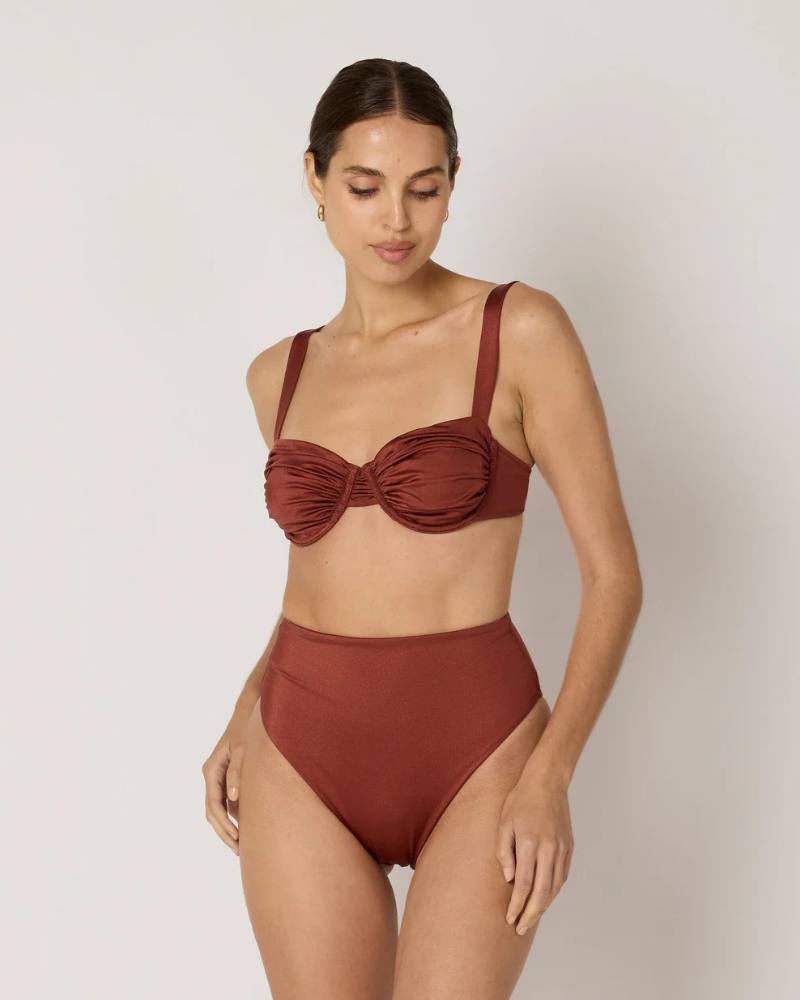
Best for fully natural fiber swimwear with no synthetic fabrics.
Kaylyn Gardner produces handmade swimwear crafted entirely from 100% GOTS-certified organic cotton.
Unlike most modern swimwear, these garments avoid synthetic fibers such as nylon or elastane altogether.
The suits are hand-knit and naturally dyed using plant-based pigments, including avocado dye.
Because cotton lacks the elasticity and water resistance of synthetic materials, these pieces are typically better suited for leisure swimming or beachwear rather than athletic performance.
Fully natural fiber swimwear remains rare, making Kaylyn Gardner one of the few brands producing swimsuits without synthetic fabrics.
Price & Sizing
$100-$220 | XS-L
Materials
GOTS-Certified Organic Cotton
location/shipping
United States | Select International Shipping

Best for natural fiber swimwear designed to maintain stretch and durability.
Swimm takes an unusual approach to swimwear by incorporating Australian Merino wool into its fabric blends.
Merino wool is known for its natural breathability, odor resistance, and moisture-regulating properties.
The swimwear fabric typically consists of 96% Merino wool with 4% elastane, providing stretch while maintaining a predominantly natural fiber composition.
This approach offers an alternative to conventional synthetic swimwear by combining natural fibers with a small amount of elastane to maintain structure and comfort during swimming.
Price & Sizing
$97-$217 | XS-XL
Materials
96% Australian Merino Wool | 4% Elastane
location/shipping
Australia | Ships Worldwide
Signs Your Swimwear May Contain Harmful Chemicals
Because swimwear sits directly against the skin and is frequently exposed to heat, sunlight, and water, certain chemical additives used during textile manufacturing can become more noticeable over time.
While it’s not always possible to determine exactly which substances are present in a garment, several common signs may indicate that swimwear contains heavily treated synthetic fabrics or chemical residues from production.
Persistent Chemical Odor
A strong plastic or chemical smell when a swimsuit is new may indicate the presence of textile finishing agents, dyes, or manufacturing residues.
Synthetic fabrics often go through multiple chemical processing stages during production, including dye stabilization, anti-wrinkle treatments, and performance coatings.
In some cases, these substances can remain detectable in the fabric even after washing.
Skin Irritation or Rashes After Swimming
If a swimsuit consistently causes itching, redness, or irritation, the fabric or dye compounds may be contributing factors.
Certain textile dyes, finishing agents, and elastic materials have been associated with contact dermatitis or allergic reactions in sensitive individuals.
Wet swimwear may intensify this interaction because moisture allows fabrics to remain tightly pressed against the skin.
“Water-Repellent” or Stain-Resistant Labels
Some performance fabrics are marketed as water-repellent, stain-resistant, or quick-drying. These properties can sometimes be achieved through chemical finishes applied to the textile surface.
Historically, certain water-repellent finishes have contained PFAS compounds, although many apparel companies are now phasing out intentionally added PFAS due to environmental concerns.
Rapid Fabric Breakdown or Fiber Shedding
Synthetic swimwear can gradually degrade after repeated exposure to chlorine, saltwater, and sunlight. When fibers begin breaking down, the fabric may feel rougher or release small strands during washing.
This process can contribute to microplastic fiber shedding, which has become an increasing environmental concern associated with synthetic clothing.
Lack of Material Transparency
Another potential indicator is when brands provide very limited information about fabric composition or textile certifications.
Manufacturers that prioritize material safety often disclose fabric percentages, certification standards, and chemical policies. When these details are missing, it can be difficult to evaluate how the textile was produced.
What Type of Non-Toxic Swimwear You Actually Need
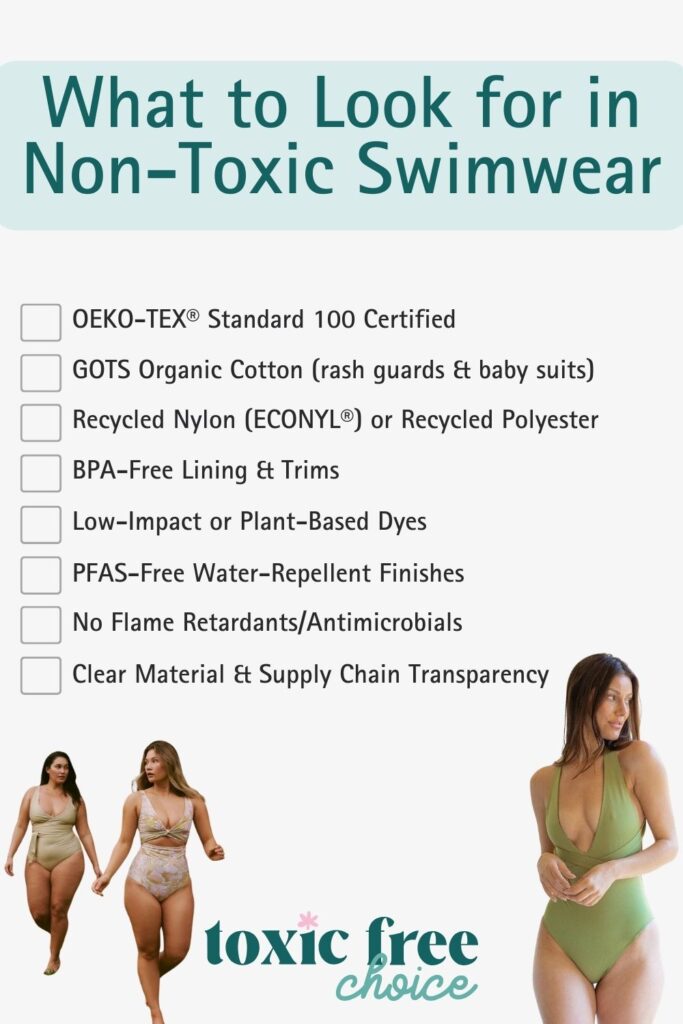
The best non-toxic swimsuits vary depending on how the swimwear will actually be used.
Some designs prioritize natural materials and minimal synthetic content, while others focus on durability and performance in water.
Understanding the trade-offs between these approaches can make it easier to choose swimwear that aligns with both material safety preferences and practical use.
If Reducing Synthetic Materials Is Your Priority
Swimwear made primarily from natural fibers such as organic cotton, hemp, or wool generally contains fewer petroleum-derived materials than conventional swimsuits.
Brands like Kaylyn Gardner, Natasha Tonic, and Swimm incorporate natural textiles that reduce reliance on synthetic polymers.
These materials may also avoid certain coatings or chemical treatments commonly used in performance swimwear.
However, natural fibers typically absorb more water and may not provide the same level of stretch or chlorine resistance as nylon or polyester blends.
For casual swimming, lounging, or beachwear, these materials can be a good option for people focused on minimizing synthetic exposure.
If Performance and Durability Are Most Important
For frequent swimming, water sports, or lap swimming, synthetic fibers remain the most durable option.
Materials like nylon and elastane maintain stretch, dry quickly, and tolerate chlorine and saltwater exposure better than most natural fabrics.
Brands such as Vitamin A, Youswim, Londre Bodywear, and Baiia use synthetic blends but manufacture them under textile safety certifications such as OEKO-TEX Standard 100.
These fabrics still contain synthetic polymers, but certification programs help ensure that the textiles are tested for restricted substances commonly used in garment manufacturing.
If Environmental Impact Is Your Main Concern
Some swimwear brands prioritize recycled materials or plant-derived fibers to reduce reliance on virgin petroleum-based textiles.
Recycled nylon and polyester fabrics divert plastic waste from landfills and waterways, while plant-derived polyamides reduce dependence on fossil fuel feedstocks.
Although these materials are still synthetic polymers, they may represent a lower-impact alternative compared with conventional fabrics.
Brands like Londre Bodywear, Baiia, and Vitamin A focus on these material innovations.
If You Have Sensitive Skin
Individuals with sensitive skin may prefer swimwear made from certified fabrics or natural fiber blends.
Third-party certifications, such as OEKO-TEX Standard 100, test fabrics for a wide range of restricted chemicals, including certain dyes, heavy metals, and finishing agents.
Natural fiber swimwear can also reduce the amount of synthetic material in direct contact with the skin, although the performance characteristics may differ from traditional swimwear fabrics.
Tips For Caring For Non-Toxic Swimwear
Washing & Drying
- Hand wash or use a gentle cycle with cold water.
- Use a mild, non-toxic laundry detergent without harsh chemicals or fragrances.
- Avoid using the dryer, which can break down fibers – hang or lay flat to dry instead.
Storage Recommendations
- Store your swimsuits in a cool, dry place out of direct sunlight to prevent fading and degradation.
- Consider placing them in a breathable fabric bag or box to protect them in the off-season.
Tackling Microplastic Pollution
Even non-toxic swimwear made from recycled synthetics can shed microfibers in the wash. To minimize microplastic pollution:
- Guppyfriend Washing Bags: Place your swimsuit in a Guppyfriend washing bag before laundering. These bags are designed to catch microfibers and prevent them from entering waterways.
- Cora Ball for Washing Machines (TFC10 for 10% Off): Add a Cora Ball to your washing machine. This reusable, recycled plastic ball captures microfibers in its stalks and prevents them from flowing out with the wastewater.
- Washing Machine Filters & Attachments: Consider installing an external microfiber filter on your washing machine. These devices trap microfibers and other lint before they have a chance to escape into the environment.
Expert FAQs About Non-Toxic Swimsuits
Not completely. Most non-toxic swimsuits still contain some synthetic fibers such as nylon or elastane because these materials provide stretch and durability in water.
The term usually refers to swimwear made with safer textile standards, fewer chemical treatments, and certifications that limit harmful substances.
Some swimsuits may contain PFAS (per- and polyfluoroalkyl substances) if the fabric uses water-repellent or stain-resistant finishes.
Many apparel companies are now eliminating intentionally added PFAS, but not all brands publicly disclose their chemical treatment policies.
Synthetic swimwear fabrics like nylon and polyester are widely used because they stretch, dry quickly, and resist chlorine damage.
While these materials are generally safe to wear, they can involve chemical additives during manufacturing and may shed microplastic fibers over time.
Organic cotton swimwear can reduce reliance on petroleum-based synthetic fabrics and may involve fewer chemical treatments during production.
However, cotton lacks the elasticity and chlorine resistance of conventional swimwear fabrics, so it is usually better suited for casual swimming or beachwear.
Recycled swimsuits are typically made from recycled nylon or polyester, often derived from plastic bottles or fishing nets.
These fabrics help reduce waste but remain chemically similar to conventional synthetic materials and may still shed microplastic fibers during washing.
A well-made swimsuit usually lasts one to three seasons, depending on how often it is used. Rinsing the suit after chlorine or saltwater exposure and air-drying it instead of using a dryer can help extend its lifespan.
Related Articles on Safer Summer Essentials
If you’re working to reduce chemical exposure in beach and outdoor products, these guides examine several other common summer items and the materials used to make them:
- Most Toxic Sunscreen Brands To Avoid + Safer Sunscreen Options
- Organic After Sun Lotions | Store-Bought & DIY Options
- Non-Toxic Sunscreen For Babies & Kids
- DEET-Free Non-Toxic Bug Spray
- Non-Toxic Beach Toys
These articles explore the ingredients, materials, and certifications to look for when choosing safer personal care products and outdoor gear for summer.
Final Assessment: Are Non-Toxic Swimsuits Worth It?
Fully chemical-free swimwear is difficult to achieve because most swimsuits require synthetic fibers to maintain stretch, durability, and resistance to chlorine and saltwater.
However, the materials and manufacturing standards used by swimwear brands can vary significantly.
Brands that prioritize textile safety certifications, material transparency, and reduced chemical treatments may help limit exposure to certain substances used in conventional textile production.
Certifications such as OEKO-TEX Standard 100, organic fiber standards, and recycled material certifications provide some level of verification regarding restricted substances and manufacturing practices.
Natural fiber swimwear made from materials such as organic cotton, hemp, or wool blends can reduce reliance on petroleum-based fabrics, although these materials may not perform as well for athletic swimming.
Meanwhile, certified recycled synthetics remain common in performance swimwear but can still represent an improvement over conventional virgin polyester or nylon.
Ultimately, choosing non-toxic swimsuits is less about finding a perfectly chemical-free garment and more about selecting brands that demonstrate safer textile standards and greater transparency about materials and manufacturing practices.
For consumers concerned about chemical exposure or environmental impact, fabrics with third-party testing, reduced synthetic content, and responsible production practices are often the most practical place to start.
Sources & Scientific References
- U.S. Environmental Protection Agency (EPA) — PFAS Overview https://www.epa.gov/pfas
- European Chemicals Agency (ECHA) — Chemicals in Textiles https://echa.europa.eu
- World Health Organization (WHO) — Environmental Exposure to Chemicals https://www.who.int
- OEKO-TEX® — Standard 100 Certification Overview https://www.oeko-tex.com
- National Institutes of Health (NIH) — Endocrine Disrupting Chemicals Research https://www.nih.gov
- International Union for Conservation of Nature (IUCN) — Primary Microplastics in the Oceans https://www.iucn.org
- Textile Exchange — Preferred Fiber and Materials Market Report https://textileexchange.org