This post may contain affiliate links. By browsing this website, you agree to our disclaimer, privacy policy, and terms of use.
It’s a sunny July afternoon, and you’re packing up for a beach day. The kids have their non-toxic sunscreen on, the non-toxic snacks are packed, and the lead-free water bottles are filled and chilled.
Everything feels ready. Then you reach for your cooler. The one that’s been sitting in the garage all year.
Most of us don’t think about what our coolers are made from. Yet many include PVC, chemical-laden insulation foams, and adhesives that release VOCs.
Heat and sunlight speed up this breakdown, causing toxic compounds to drift into the air around your food. Something simple ends up carrying more risk than we realize.
The good news is that safer coolers do exist. They’re less common, but there are options that avoid PVC, lead, and the chemical soup typically found in mass-market designs.
In this guide, you’ll find everything you need to choose a safer cooler:
- Why PVC, lead, and other chemicals in conventional coolers raise concerns
- Which materials are truly food-safe
- The best PVC-free and lead-free cooler options
- How to spot misleading claims
- How to clean and maintain a cooler without introducing new risks
At TFC, we review the materials, cross-check safety claims, and break down the science so you don’t have to worry about storing your food in a cooler made with toxic plastics.
Because keeping your food cold shouldn’t come with a side of chemicals.
The Best Coolers Without PVC or Lead For 2026
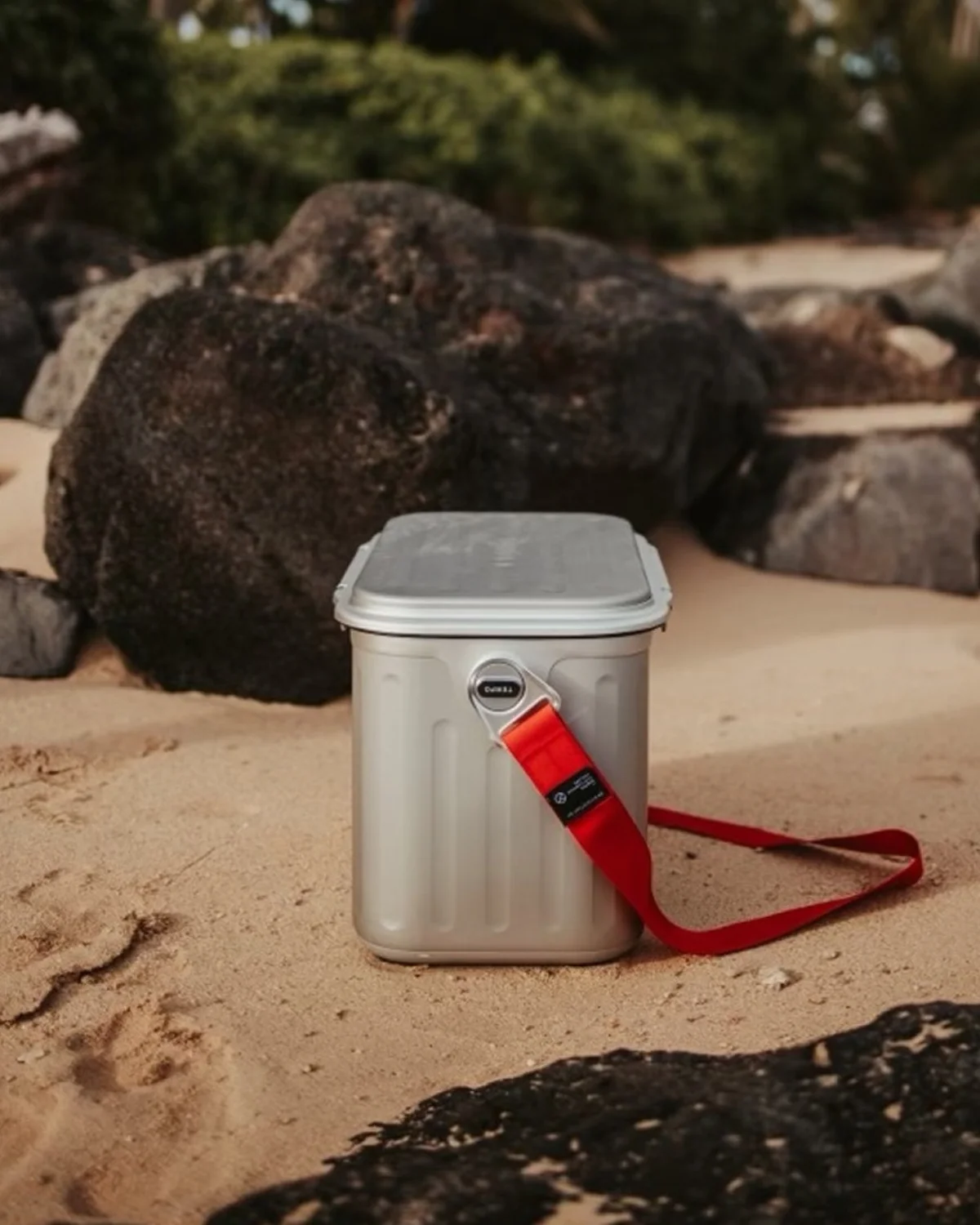
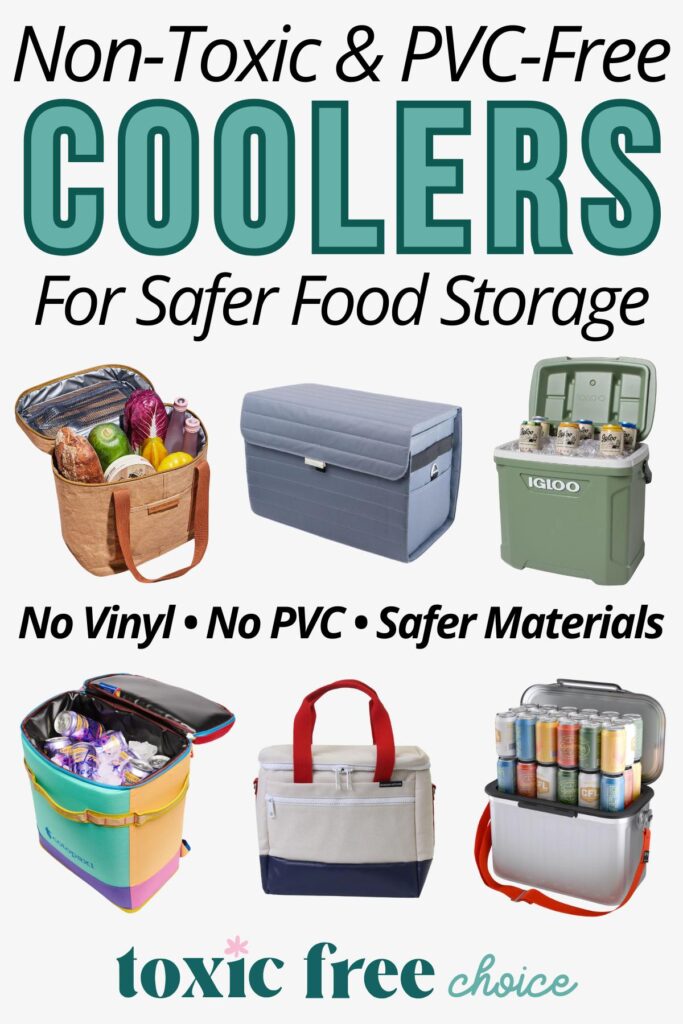
The Tempo Cooler is the best cooler for food safety.
It’s made from heavy-gauge aluminum with vacuum-sealed insulation, so there’s no vinyl, PU foam, or undisclosed plastic liners.
Its fumed silica core delivers strong thermal performance without relying on chemical-heavy foams. EVA straps add comfort to the metal build.
This is a durable, food-focused option for families who want dependable performance with cleaner materials.
Price & Capacity
$445 | 24QT/36 Cans
Materials
Body: Wrought & Cast Aluminium | Insulation: Fumed Silica | Straps: Foamed EVA & Nylon | Free From PVC/Polyurethane
location/shipping
Norway, ships to the United States, Germany & Poland
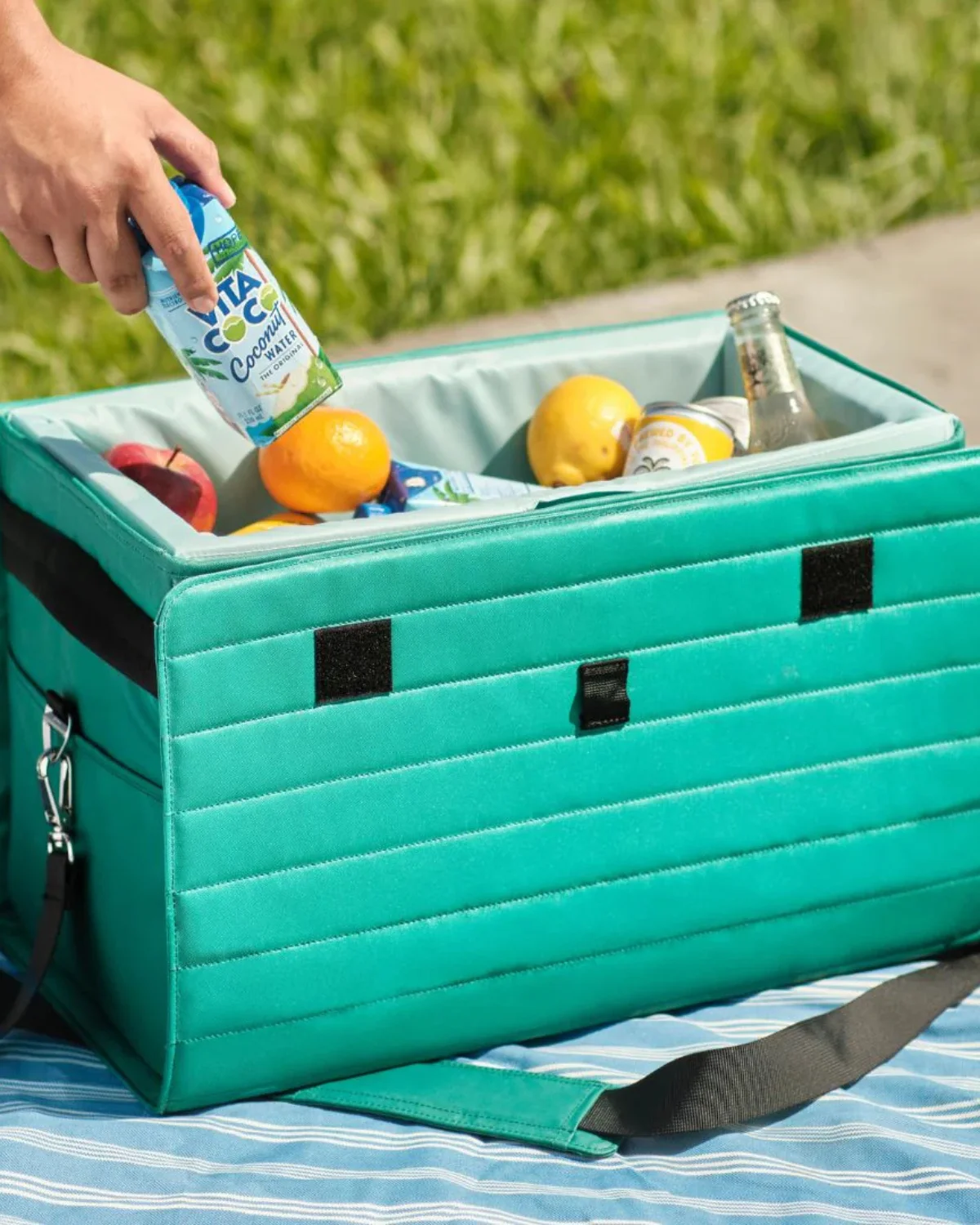
Instead of polyurethane foam, the Nutshell Cooler uses coconut husk fiber for insulation.
The recycled fabric shell features a PFC-free water-resistant finish, and the interior is waterproof, PVC-free, and easy to rinse.
Its mix of natural insulation and cleaner construction makes it a practical, sustainability-minded choice.
Price & Capacity
$249 | 20QT/36 Cans
Materials
Shell/Liner: Recycled Nylon/Polyester | Insulation: Upcycled Coconut Husk Fibers | PFC-Free Coatings
location/shipping
United States
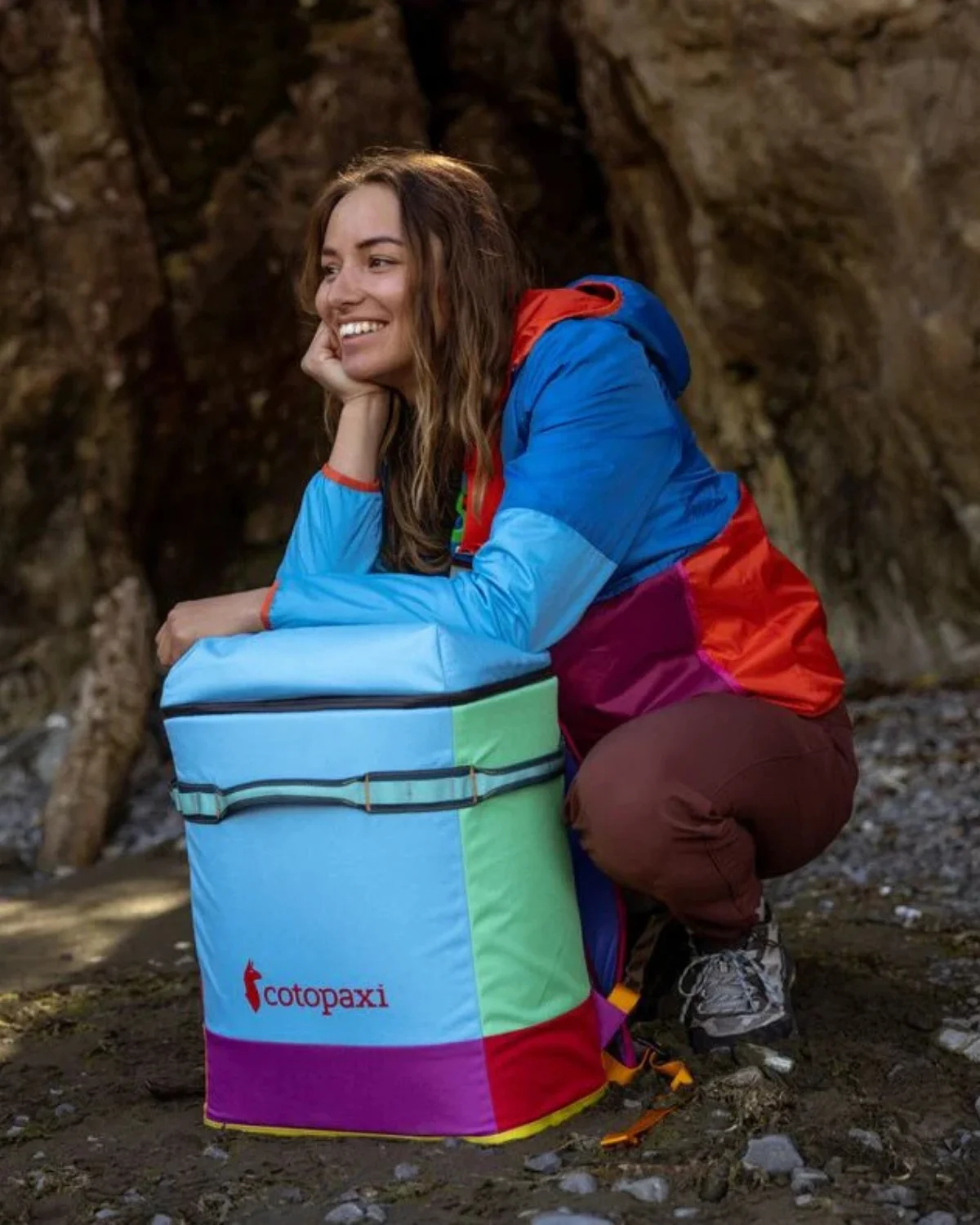
The Hielo Backpack cooler with food-safe insulation keeps your hands free with its welded polyester liner that skips PVC adhesives.
Repurposed nylon and polyester give it strength without chlorine-based plastics.
It stays light, fits easily into active routines, and works well for hikes, festivals, and park days.
Price & Capacity
$200 | 24L
Materials
Body: 100% Repurposed Nylon & Polyester | Liner: Food-Safe & Waterproof 100% Polyester | Insulation: Polyethylene Foam | Free From PFAS
location/shipping
United States, ships to Mexico, the United Kingdom, Denmark & the UAE

The Walrus Cooler pairs an FSC-certified washable paper exterior with a PEVA liner.
It avoids PVC and PFAS while staying lightweight and simple to clean.
This is a great non-toxic cooler bag for kids and families seeking a budget-friendly cooler built from safer, tested materials. It’s a strong everyday pick.
Price & Capacity
$47 | 24 Cans
Materials
Outer: Washable Paper (FSC-Certified) | Handles: PP Nylon | Lining: PEVA | Free From PVC/PFAS
location/shipping
United States, ships to the United Kingdom
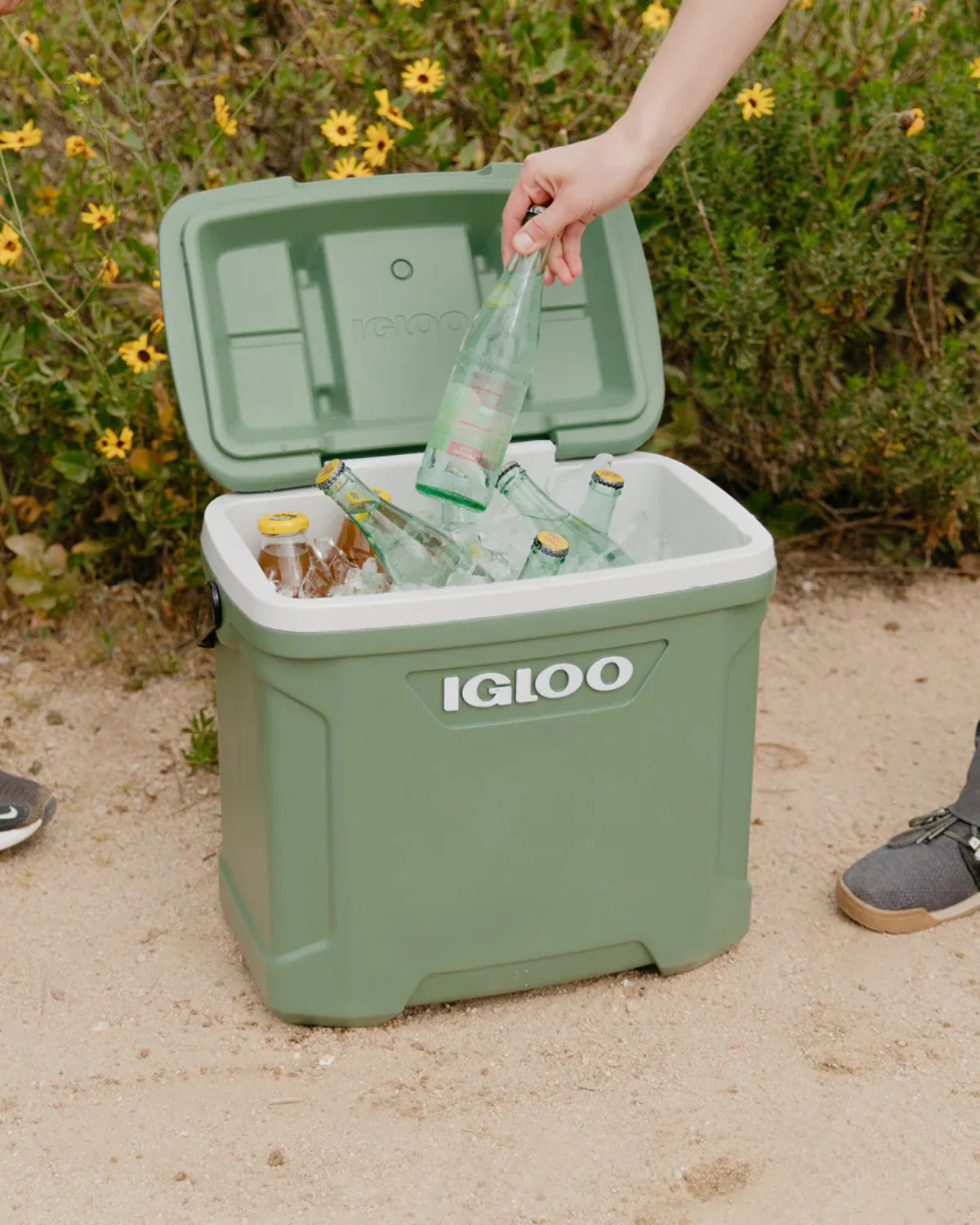
Igloo’s ECOCOOL Latitude Cooler uses recycled plastic for the shell and cleaner insulation.
It’s not the most premium option, but it’s a clear step up from vinyl-lined coolers that rely on PU foam.
This everyday cooler fits road trips, errands, and picnics without relying on chlorine-based plastics.
Price & Capacity
$49.99 | 30QT/41 Cans
Materials
Body/Lid: Post-Consumer Recycled Resin (PCR) | Insulation: Low-VOC Polyurethane | Gasket/Hinges: Rubber | Free From PVC/BPA
location/shipping
United States
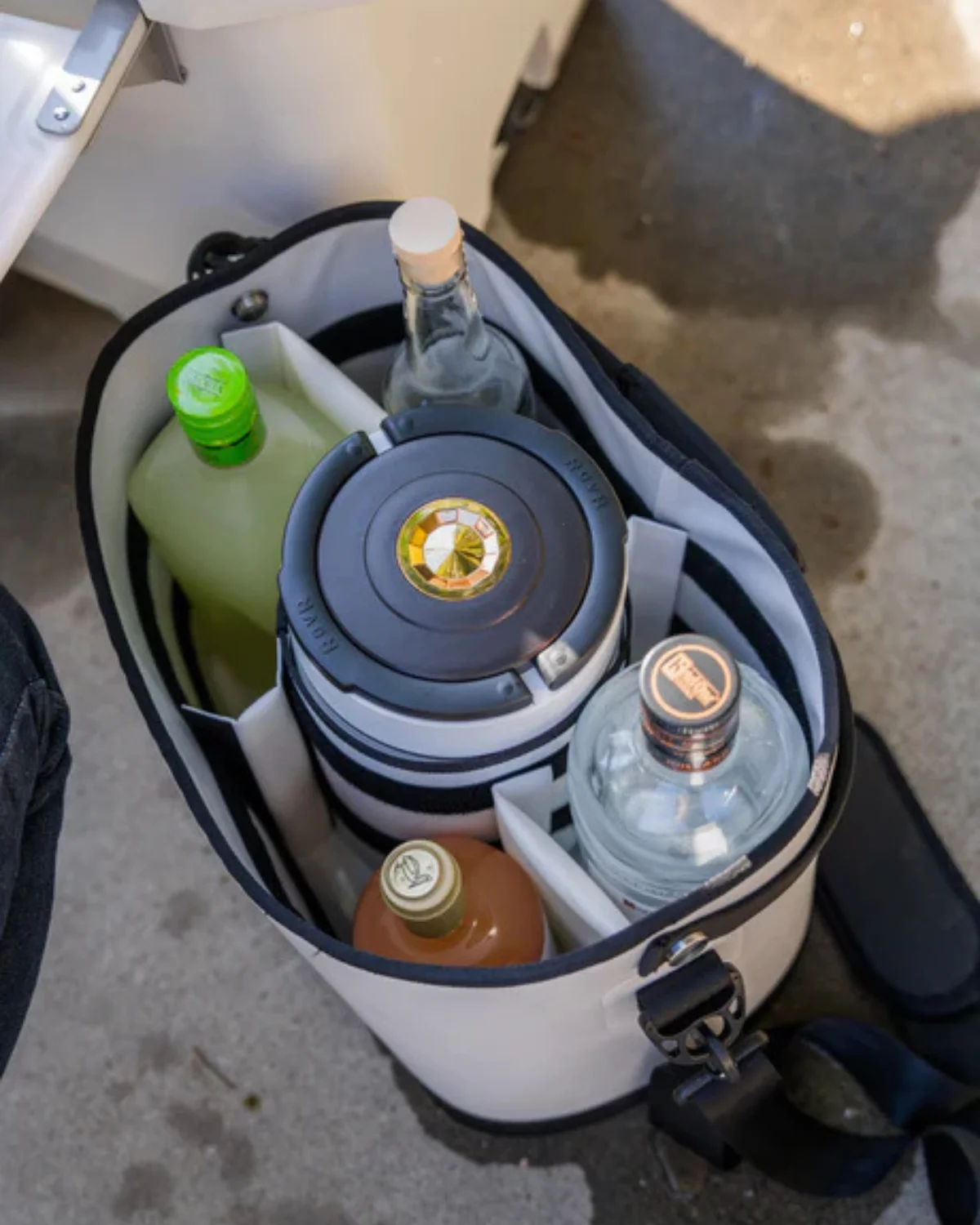
The KeepR Caddy uses a TPU shell instead of vinyl and molded foam panels that minimize off-gassing.
The removable IceR insert helps keep food separated from melting ice.
It’s a tidy, organized choice for families who prefer cleanable materials and straightforward use.
Price & Capacity
$149 | 3L
Materials
Outer: Leak-Proof TPU | Insulation: High-Density Polyethylene Foam (No Vinyl) | Hardware: Stainless Steel | IceR Insert: Vacuum-Sealed Steel
location/shipping
United States
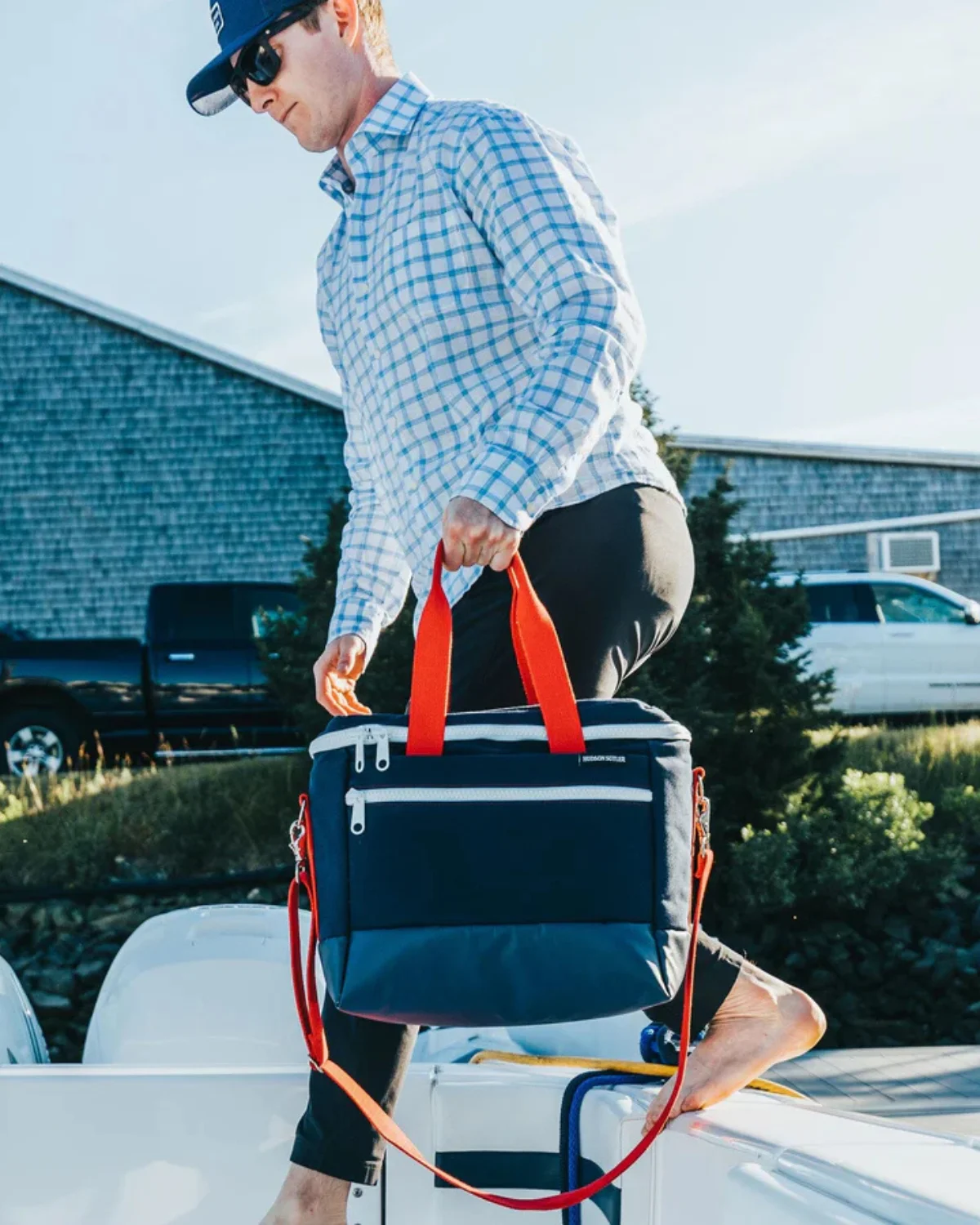
The Montauk Cooler Bag blends a classic canvas-style tote with a CPSIA-tested waterproof liner.
It keeps drinks cold without bulk and offers a lighter profile than hard-shell coolers.
If you want a simple, everyday cooler with safer construction, this tote-style design fits easily into family routines.
Price & Capacity
$159 | 24L
Materials
Exterior: Hard-Wearing Canvas | Liner: Food Safe, Heat-Sealed Waterproof (CPSIA Approved) | Insulation: Half-Inch Foam | Handles: Heavy-Duty Cotton Webbing
location/shipping
United States
Why Summer Heat Makes Things Worse
Heat accelerates the breakdown of PVC and related plastics, making chemical migration more likely. Research shows that off-gassing increases when materials receive UV exposure or sit inside hot cars.
In fact, studies show chemical migration increases up to 55 times under heat and UV exposure. Even when food doesn’t touch the walls, vapors can move into the cooler’s airspace.
If you’ve ever wondered whether your cooler is protective or simply convenient, the answer usually comes down to the materials inside it and how they behave in heat.
What Materials To Look For In A Non-Toxic Cooler
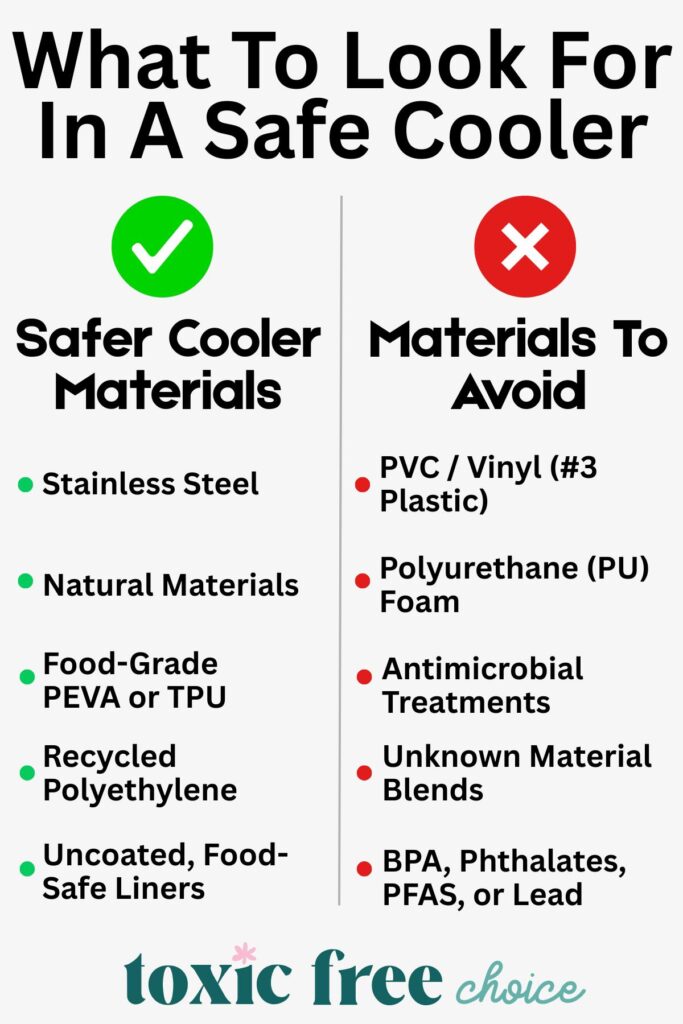
✅ Safer Materials
- Stainless Steel: Durable, non-reactive, and reliable for food-safe performance. It’s heavier than plastic but offers consistent protection when paired with well-tested insulation.
- Natural Materials: Coconut husk fiber, organic cotton canvas, cork, and natural rubber seals provide low-tox construction and reduce reliance on synthetic plastics. These are solid choices for anyone seeking a mostly plastic-free cooler.
- Food-Grade PEVA & TPU: Both materials are chlorine-free and viewed as safer alternatives to PVC. They’re practical for soft-sided coolers that skip PFAS and BPA. While not perfect, they avoid vinyl chloride chemistry and the byproducts associated with PVC.
- Recycled Polyethylene: Also tends to be safer than PVC, though quality varies. Look for brands that screen batches for contaminants and share testing data.
❌ Materials To Avoid
Avoid these toxic chemicals in camping coolers:
- PVC / Vinyl (Recycling code #3)
- Polyurethane (PU) foam insulation
- Antimicrobial chemical treatments
- “Proprietary blends” without disclosure
- BPA, BPS, phthalates, PFAS, or lead in cooler liners
👉🏼 Concerned about what other toxic materials might be hiding in your everyday food storage containers? Head over to our sister site Sustainably Kind Living for our full guide to the Safest Non-Toxic Food Storage Brands.
PEVA vs PVC in Coolers: Why Chlorine-Free Matters
PVC relies on chlorine chemistry and can produce dioxins during production and breakdown. PEVA avoids chlorine entirely. TPU is another strong alternative used in many higher-quality soft coolers.
These materials don’t eliminate all chemical exposure, but they significantly reduce risk when a cooler sits in the sun.
Think of PEVA and TPU as meaningful improvements for families who can’t go fully plastic-free but still want cleaner, food-safe construction.
We make so many thoughtful swaps in our daily routines. We buy organic, filter our water, and choose non-toxic cleaning products.
But then we store everything in a toxic container that becomes more hazardous in heat. It can undermine the efforts we make to reduce exposure elsewhere.
How To Clean, Store & Maintain Your Cooler Safely
Cleaning Tips
- Rinse after each use with non-toxic dish soap and warm water.
- Use a baking soda paste for odor or residue.
- For deeper cleaning, soak with a 1:1 vinegar–warm water mix for 30 minutes.
- Newspaper or charcoal can help absorb stubborn odors.
- Hydrogen peroxide (3 percent) works well after raw food spills.
Avoid Using
- Essential oils (they may degrade seals).
- Antibacterial soaps (they leave residue).
- Abrasive cleaners.
Storage Tips
- Dry completely with the lid propped open.
- Store indoors in a cool, dry space.
- Check zippers, seals, and hardware annually.
- Use a food-grade silicone lubricant on gaskets if they dry out.
When To Replace Your Cooler
- Cracked or peeling liners
- Persistent odors that don’t clear
- Reduced insulation performance
- Leaking or misshapen seals
- Visible mold that’s hard to remove
What About Popular Cooler Brands Like YETI, Coleman & RTIC?
Many big-name coolers focus on durability and ice retention, yet they rarely share complete material details.
Without transparency, it’s difficult to know whether a model contains PVC, PU foam, PFAS coatings, or antimicrobial additives. That doesn’t automatically make these coolers unsafe, but it limits your ability to evaluate them.
Brands that list materials openly and confirm when models are chlorine-free, lead-free, or PFAS-free are much easier to trust. That’s why this guide highlights safer alternatives to YETI coolers and similar brands.
Tips To Avoid Greenwashing When Buying a Cooler
- Look for detailed material disclosures.
- Seek certifications like FDA or NSF food-contact standards and OEKO-TEX for fabrics.
- Don’t rely on “BPA-free” alone.
- Evaluate brand transparency and responsiveness.
💬 Frequently Asked Questions About PVC-Free Coolers
A safer cooler uses materials that won’t off-gas or transfer chemicals when exposed to heat.
Look for stainless steel, food-grade fabrics, PEVA, EVA, TPU, high-quality polyethylene, or natural fibers.
Avoid vinyl-based plastics and polyurethane foam whenever possible.
PVC is made with vinyl chloride, which is a known carcinogen. When it heats up, it can release additives that move into the airspace inside your cooler. Since coolers sit in the sun, their materials warm up fast.
Yes. Both materials are chlorine-free and don’t release the same byproducts as PVC. They’re widely used for food-contact-safe liners.
Watch for vinyl, PVC, polyurethane foam, antimicrobial coatings, or a total lack of material disclosure. Buzzwords without clear materials are also a sign to look elsewhere.
Yes. Plastics release more chemicals when exposed to heat or UV light. Even if your food isn’t touching the cooler walls, vapors can move into the air inside.
When brands test for contaminants, yes. Recycled polyethylene and HDPE are generally safer because they avoid chlorine-based chemistry.
A Safer Cooler Makes A Bigger Difference Than You Think!
Choosing a safer cooler supports the other low-tox habits you’ve built. It protects food, reduces chemical exposure, and creates a healthier outdoor setup.
Whether for a road trip, beach day, or picnic, better materials offer peace of mind. And every safer product we choose helps shape a cleaner market.
Explore More Safer Summer Essentials
- ☀️ Non-Toxic Summer Essentials → A curated guide to warm-weather products made without PFAS, plasticizers, or harmful coatings for everyday summer use.
- 🥪 Non-Toxic Lunch Boxes → Safer food storage options made without PVC, phthalates, or PFAS-treated linings for meals on the go.
- 🧺 Non-Toxic Picnic Gear → A roundup of picnic essentials made with safer materials and finishes, designed for outdoor eating without chemical exposure.
- 🏖️ Non-Toxic Beach Toys → A guide to beach and sand toys made without PVC, heavy metals, or toxic dyes that can leach during play.
- 🥤 PFAS-Free Sparkling Water → A breakdown of sparkling water brands tested for PFAS, packaging materials, and potential contamination concerns.
📌 Save This Pin For Later
Shopping for a safer cooler? This 2026 guide explains how to choose a non-toxic cooler made without PVC, lead, or harmful linings, and what materials and labels actually matter. A must-save for healthier picnics, beach days, and family outings.