This post may contain affiliate links. By browsing this website, you agree to our disclaimer, privacy policy, and terms of use.
Many cleaning products are marketed as natural, green, organic, or non-toxic, but those claims often reveal very little about the ingredients, formulation standards, or disclosure practices behind the product itself.
This can make the category difficult to evaluate.
Products that appear similar on the surface may differ substantially in ingredient transparency, fragrance policies, certifications, and overall formulation approaches.
Some brands provide detailed information about what is in their products and why those ingredients are used, while others rely primarily on marketing language that offers limited insight into the finished formula.
For consumers trying to reduce unnecessary chemical exposure, those differences matter.
This is especially true for households already working toward a more non-toxic home, improving indoor air quality, or making broader non-toxic living changes throughout the home.
Cleaning products are used throughout the home on dishes, countertops, floors, fabrics, and other frequently contacted surfaces, making ingredient disclosure and formulation transparency important considerations when comparing brands.
Non-toxic cleaning brands are generally distinguished by stronger ingredient disclosure, greater transparency, and the avoidance of certain higher-concern ingredients commonly found in conventional cleaning products.
Organic household cleaners, by contrast, focus primarily on ingredient sourcing and may not provide the same level of information about the overall formulation.
To identify the strongest options currently available, the brands included in this review were evaluated based on ingredient disclosure, formulation practices, certifications, manufacturer transparency, and overall alignment with reduced chemical exposure.
The goal was to identify brands that support their claims with meaningful information rather than relying solely on front-label marketing.
Best Non-Toxic Cleaning Brands: Comparison Table
Mobile Users: Scroll to see full comparison →
| Brand | Best For | Certifications | Fragrance-Free Option | Price Range |
|---|---|---|---|---|
| MamaSuds | Strongest Overall Transparency Profile | Leaping Bunny Certified | Yes | $8-$42 |
| Branch Basics | Most Comprehensive Concentrate System | MADE SAFE® Certified | EWG Verified® | Yes | $4-$55 |
| Meliora | Leading Plastic-Free Cleaning Option | MADE SAFE® Certified | Leaping Bunny Certified | Yes | $5-$21 |
| Rustic Strength | Standout Vinegar-Based Cleaning Brand | None | Yes | $12-$69 |
| Poofy Organics | Organic-Focused Cleaning Brand | USDA Certified Organic | No | $11-$35 |
Why Many Cleaning Products Raise Safety Concerns
Cleaning products raise safety concerns because they are used directly inside the home, often on surfaces, fabrics, dishes, floors, and enclosed indoor spaces.
The concern is not simply whether a product smells harsh or looks conventional. It is whether the formula contains ingredients that may contribute to unnecessary exposure through inhalation, skin contact, or surface residue.
Research suggests that some cleaning and disinfecting products can release volatile organic compounds (VOCs) into indoor air, a concern that overlaps with issues discussed in our guides to natural air purification methods, eco-friendly air-purifying houseplants, and indoor air purifiers.
Other concerns involve disinfecting agents, preservatives, fragrance mixtures, and manufacturing byproducts that may not be obvious from front-label claims.
This does not mean every conventional cleaner carries the same level of concern. Risk depends on the specific ingredients, concentration, product format, ventilation, and frequency of use.
For consumers comparing non-toxic cleaning brands, the most useful starting point is transparency: whether the company clearly discloses ingredients, explains its formulation standards, and provides enough information to evaluate potential exposure concerns.
Hidden Chemicals Found in Conventional Cleaning Products
Many conventional cleaning products contain ingredients that consumers may not realize are present.
Understanding these chemicals can provide important context when evaluating cleaning product safety, transparency, and formulation standards.
Phthalates
Phthalates may be used in fragrance formulations to help scents last longer.
They are often associated with synthetic fragrances, which is one reason fragrance disclosure is an important consideration when evaluating non-toxic laundry detergent, non-toxic dish soap, and non-toxic air fresheners.
Some studies have raised concerns about certain phthalates because of their potential effects on the endocrine system.
Volatile Organic Compounds (VOCs)
VOCs can be found in solvents, fragrances, and cleaning agents that help dissolve grease or improve product performance.
These chemicals can evaporate into indoor air during and after cleaning, and some research suggests they may contribute to indoor air pollution and may be particularly relevant for readers concerned about toxic chemicals in the home environment.
Formaldehyde & Formaldehyde-Releasing Preservatives
These preservatives may be used to prevent microbial growth and extend product shelf life.
Some release small amounts of formaldehyde over time, and formaldehyde is classified as a known human carcinogen by several regulatory and scientific organizations, although exposure levels vary by product and use pattern.
1,4-Dioxane
1,4-Dioxane is not intentionally added to most cleaning products but can occur as a manufacturing byproduct in certain ethoxylated ingredients.
Regulatory agencies have identified it as a contaminant of concern and continue to evaluate potential exposure risks.
Quaternary Ammonium Compounds (Quats)
Quats are commonly used in disinfecting and antibacterial cleaning products because they are effective at controlling microbes on surfaces.
Some research has raised concerns about respiratory irritation and occupational exposure, particularly among individuals who use these products frequently.
Chlorine Bleach
Chlorine bleach is widely used for disinfecting, whitening, and stain removal.
It can release irritating fumes during use and may create hazardous gases if mixed with certain other cleaning products, including ammonia-based cleaners.
How Cleaning Product Exposure Happens
When people think about cleaning product safety, they often focus on what is listed on the label, but exposure is also influenced by how ingredients move through the home environment.
Research suggests that household cleaning products may contribute to exposure through inhalation, skin contact, and contact with treated surfaces, making both formulation choices and everyday use important considerations.
Inhalation Exposure
Inhalation exposure occurs when ingredients become airborne and are breathed into the lungs.
This can happen when cleaning sprays create fine droplets, when fragrances are released into the air, or when volatile organic compounds (VOCs) evaporate from surfaces during and after cleaning.
Some studies have raised concerns about repeated exposure to certain airborne cleaning chemicals, particularly in poorly ventilated spaces.
Skin Contact Exposure
Skin contact exposure occurs when cleaning products come into direct contact with the hands or other areas of the body during use.
While the skin provides an important protective barrier, some ingredients may contribute to irritation or sensitization in susceptible individuals, especially with repeated or prolonged contact.
Residue Transfer
Exposure can also occur after cleaning is finished.
Depending on the product and how it is used, small amounts of residue may remain on countertops, floors, dishes, toys, and other household surfaces.
Those residues can then be transferred through routine contact with hands, food preparation surfaces, or objects that are handled frequently.
Indoor Air Pollution
Indoor air quality is an often-overlooked part of cleaning product safety because airborne chemicals can remain in the home after a product has been used.
Agencies such as the EPA note that household products can contribute to indoor air contaminants, which is why ventilation and lower-emission formulations are commonly recommended as part of a safer cleaning routine.
What Research Says About Cleaning Product Safety
Research suggests that the safety of cleaning products depends on several factors, including ingredient selection, ventilation, frequency of use, and product format.
The EPA notes that many cleaning and disinfecting products can emit volatile organic compounds (VOCs), and indoor VOC concentrations are often higher than outdoor levels.
Respiratory exposure is one of the most studied areas of cleaning product safety research.
Several studies have found associations between frequent exposure to cleaning products, particularly in occupational settings, and increased respiratory symptoms or asthma risk, although household exposure levels can vary significantly depending on the products used and how they are used.
How We Evaluated These Non-Toxic Cleaning Brands
We evaluated non-toxic cleaning brands based on whether their formulas reduce avoidable exposure concerns while still performing practical household cleaning tasks.
The strongest brands were not selected because they use terms like “natural” or “green,” but because they provide clearer evidence of ingredient transparency, safer formulation choices, and manufacturer accountability.
Our review focused on several core criteria: full ingredient disclosure, fragrance transparency, avoidance of higher-concern ingredients, and broader alignment with the principles discussed in our guide to reducing toxins in everyday life.
Extra weight was given to brands that clearly identify surfactants, preservatives, scent ingredients, disinfecting agents, and organic or plant-based claims rather than relying on vague front-label language.
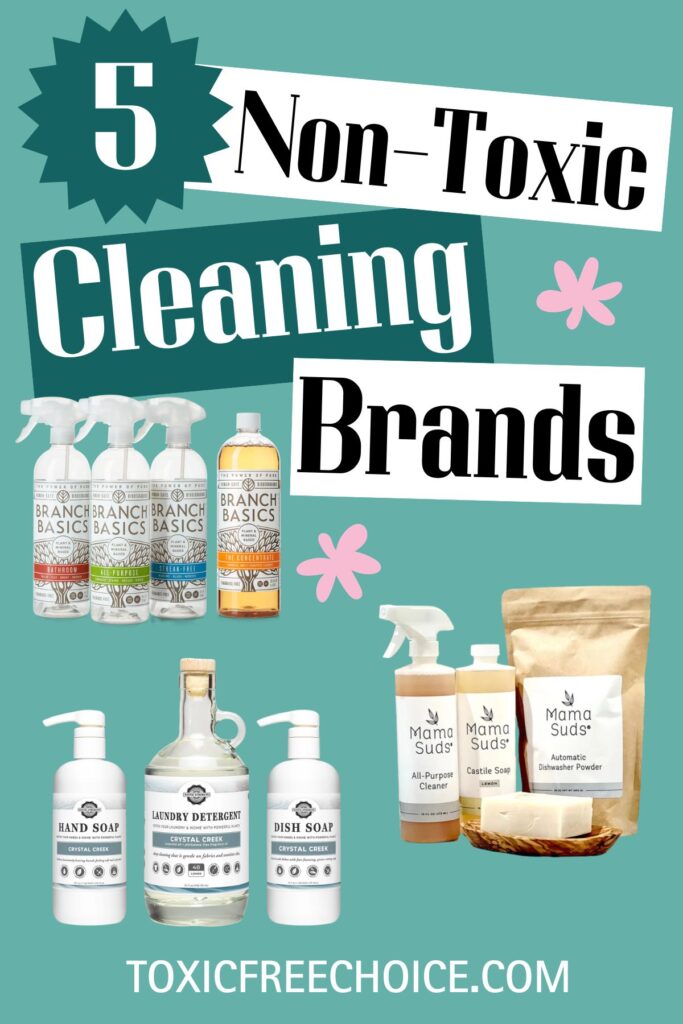
Best Non-Toxic Cleaning Brands of 2026
1. MamaSuds — Strongest Overall Transparency Profile
Offers: Laundry Products | Dishwashing Products | All-Purpose Cleaners | Household Cleaning Essentials
Use the discount code TFC15 to save 15%!
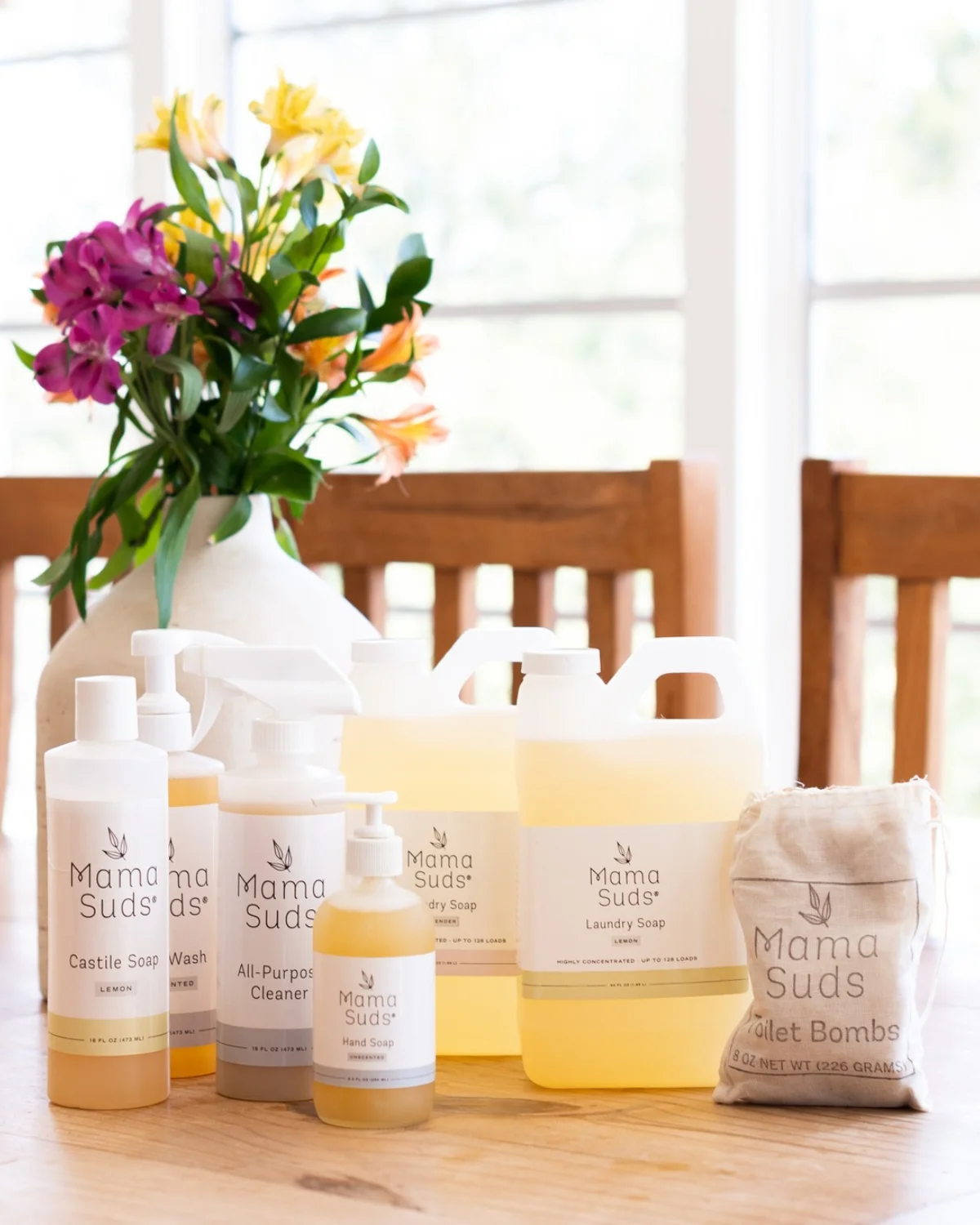
Few cleaning brands provide the level of ingredient disclosure that MamaSuds does across its product line.
In a category where proprietary blends and vague ingredient listings remain common, the company has built its reputation around straightforward formulations and clear disclosure practices.
Its products are generally formulated without synthetic fragrance, dyes, phthalates, parabens, or undisclosed fragrance blends.
The lineup covers many of the products households use most often, including laundry detergent, dish soap, stain removers, and dishwasher detergents, making it easier to maintain consistency across multiple cleaning categories.
MamaSuds also formulates for households with sensitive skin, cloth diapers, septic systems, and pets.
While it does not carry some of the third-party certifications found elsewhere in this guide, its combination of broad category coverage, ingredient disclosure, and formulation simplicity resulted in the strongest overall evaluation.
Price Range
$8-$42
Safety/Certifications
Full Ingredient Disclosure | Leaping Bunny Certified | Vegan | Coconut & Palm Oil Free | Non-GMO Ingredient Sourcing Standards | Ingredient-Specific Certifications Including Organic, ECOCERT, Cosmos, NSF, Kosher & Halal Where Applicable
Location/Shipping
United States | Ships Internationally
2. Branch Basics — Most Comprehensive Concentrate System
Offers: Laundry Products | Dishwashing Products | Multi-Purpose Cleaning Concentrates | Refillable Cleaning Systems
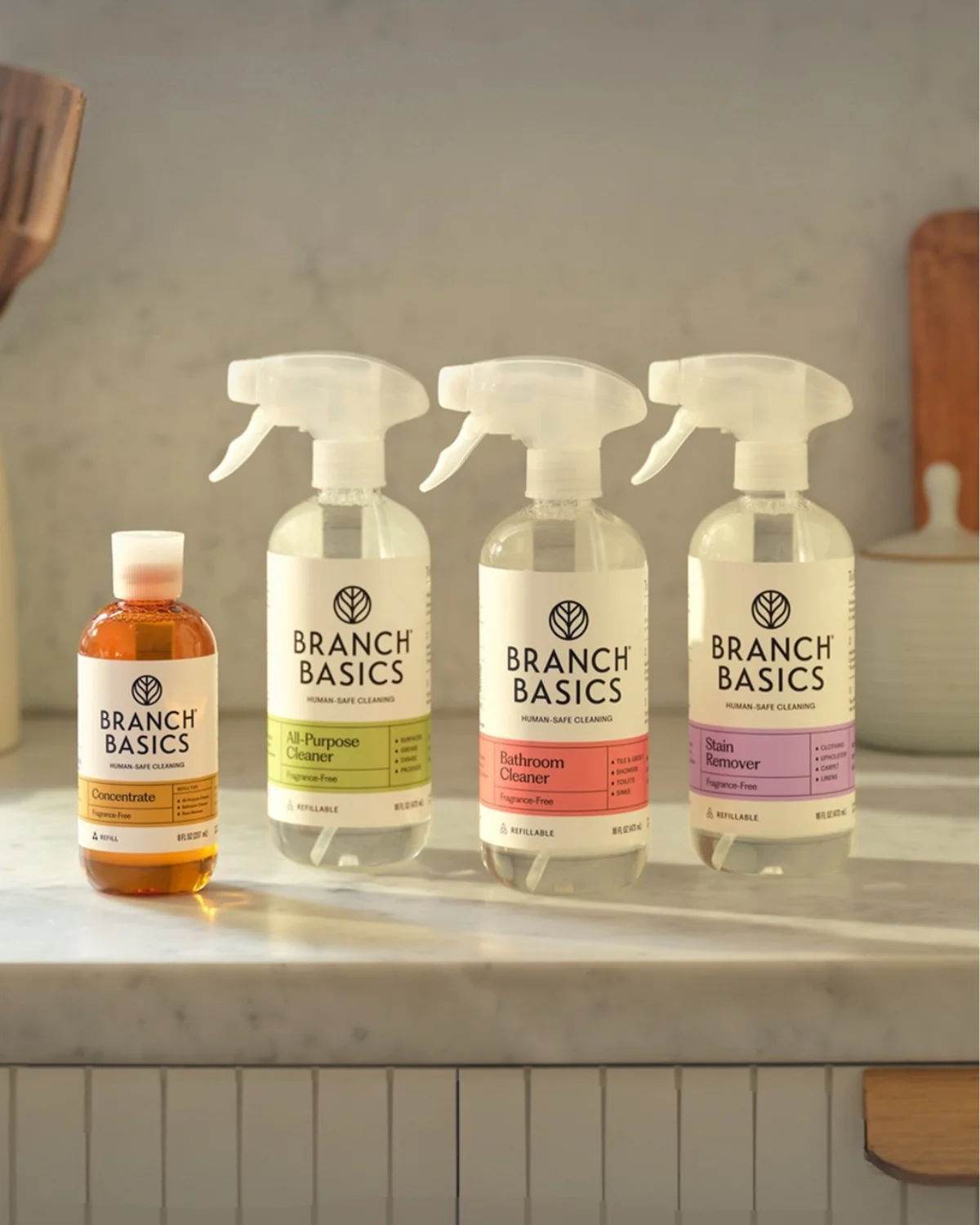
Rather than offering a separate cleaner for every room in the house, Branch Basics centers its approach around a concentrated cleaning system designed to replace multiple conventional products.
This makes it one of the more distinctive brands in the category.
The company uses a plant- and mineral-based formula that carries MADE SAFE® certification and is marketed as free from sulfates, chlorine, phosphates, phthalates, parabens, VOCs, and other higher-concern ingredients.
For households looking to simplify product selection while maintaining ingredient consistency, the concentrate model offers a different approach from traditional cleaning brands.
The primary drawback is cost. The initial investment is often higher than conventional cleaning products, although the concentrated format may offset some of that expense over time.
Its combination of ingredient screening, third-party certification, and multi-purpose functionality secured its placement in this review.
Price Range
$4-$55
Safety/Certifications
Full Ingredient Disclosure | MADE SAFE® Certified | EWG Verified® | Fragrance-Free Formulas | Plant & Mineral-Based Ingredients | Refillable System
location/shipping
United States | Ships To Canada
3. Meliora — Leading Plastic-Free Cleaning Option
Offers: Laundry Products | Dish Soap | All-Purpose Cleaners | Plastic-Free Household Cleaning Products
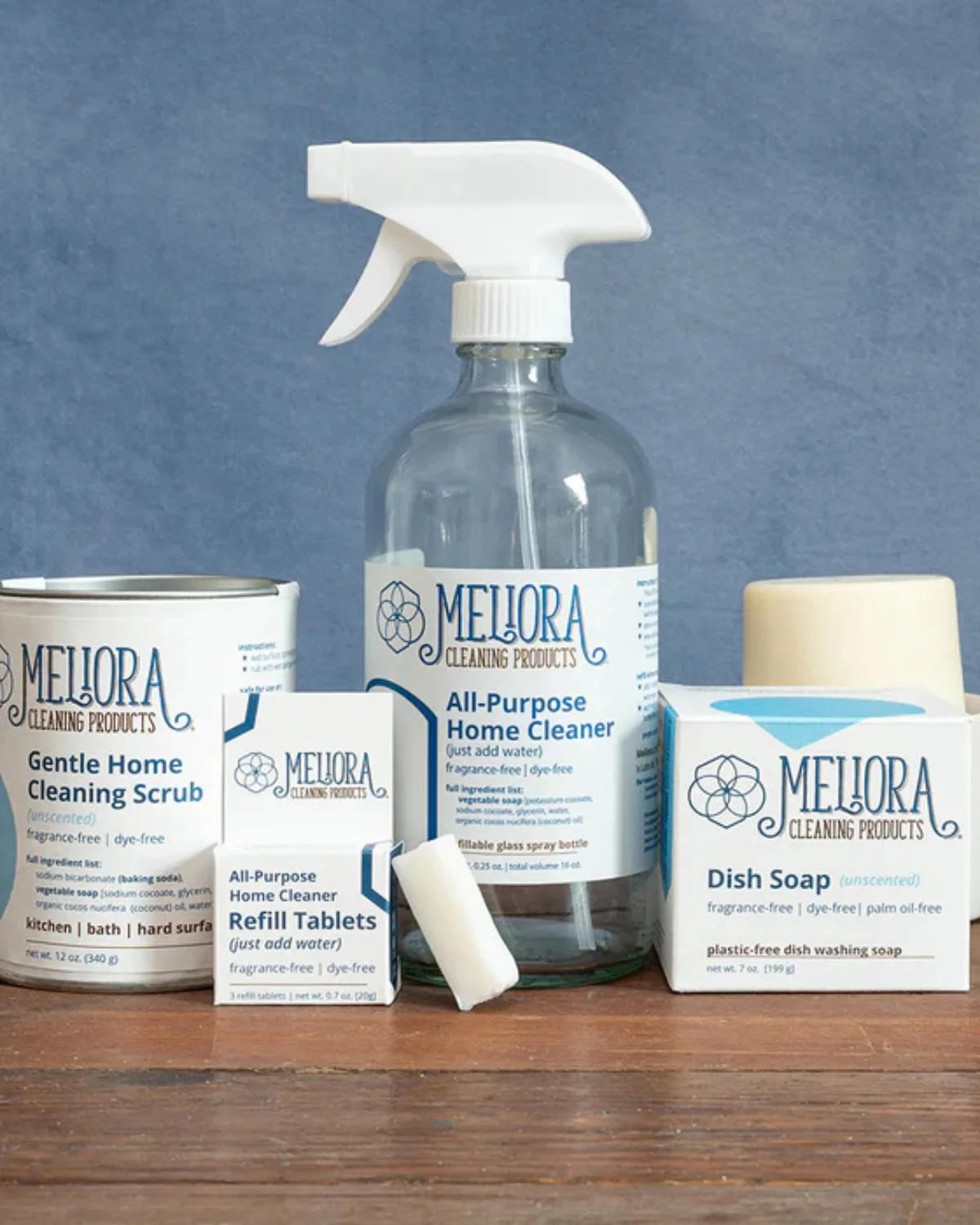
Use the discount code TFC10 to save 10%!
Meliora approaches cleaning from a different angle than most brands in this category.
Alongside full ingredient disclosure, the company places a strong emphasis on reducing plastic packaging and unnecessary waste.
Its formulations rely on relatively simple ingredients such as baking soda, washing soda, sodium percarbonate, vegetable soaps, and organic essential oils.
Meliora also publishes complete ingredient disclosures and maintains both MADE SAFE® and Certified B Corporation certifications.
The product range is smaller than that of some larger competitors, which may limit one-stop shopping for certain households.
However, its combination of transparency, certification standards, and low-waste packaging practices made it the strongest plastic-free option evaluated.
Price Range
$5-$21
Safety/Certifications
Full Ingredient Disclosure | MADE SAFE® Certified | Leaping Bunny Certified | Certified B Corporation | Essential Oil Disclosure | Plastic-Free Packaging
Location/Shipping
United States
4. Rustic Strength — Standout Vinegar-Based Cleaning Brand
Offers: Laundry Products | Dishwashing Products | Household Cleaners | Refillable Cleaning Products
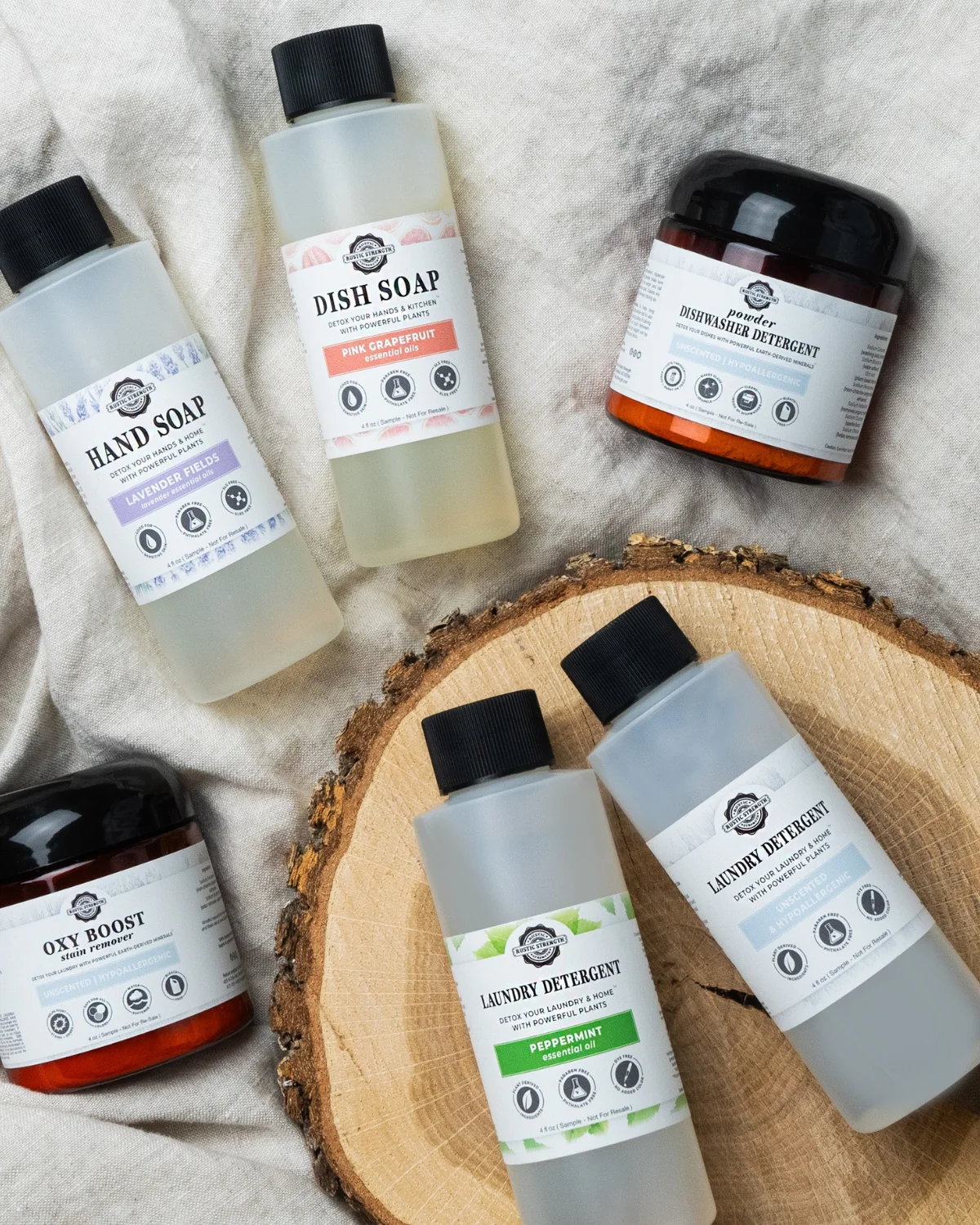
Use this link to save 20%!
Vinegar-based cleaning products occupy a unique corner of the cleaning market, and Rustic Strength has built much of its product line around that approach.
Rather than relying on conventional synthetic cleaning agents, the company emphasizes simpler formulations, ingredient avoidance standards, and refill-focused product systems.
The brand states that it avoids ingredients such as phthalates, parabens, chlorine bleach, phosphates, petroleum-derived ingredients, SLS/SLES, sulfates, ammonia, and 1,4-dioxane.
It also offers refill systems designed to reduce packaging waste, an approach that aligns well with broader sustainable living goals.
While vinegar-based products are not appropriate for every cleaning task or surface, Rustic Strength stood out for its ingredient standards, refill model, and consistent formulation philosophy.
Price Range
$12-$69
Safety/Certifications
Full Ingredient Disclosure | Extensive Ingredient Avoidance Standards | Refillable Packaging Systems | PFAS-Free Food-Grade Packaging
Location/Shipping
United States | Ships Internationally Upon Request
5. Poofy Organics — Organic-Focused Cleaning Brand
Offers: Laundry Products | Dishwashing Products | All-Purpose Cleaners | Air Fresheners | Household Cleaning Concentrates
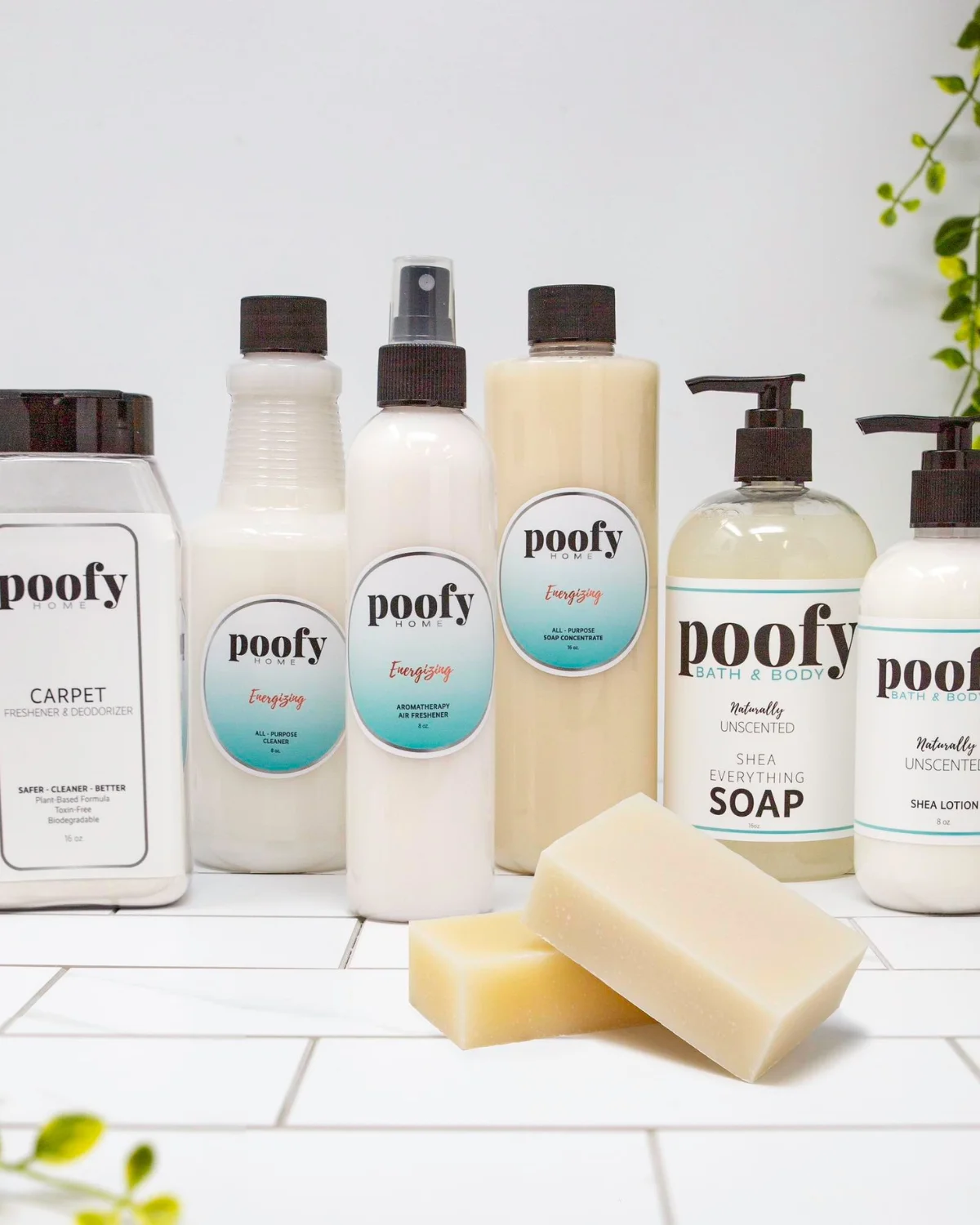
Use the discount code TFC10 to save 10%!
Most cleaning brands focus primarily on ingredient disclosure, fragrance avoidance, or cleaning performance.
Poofy Organics takes a different approach by placing certified organic ingredients at the center of its cleaning formulations, making it one of the few brands in this category with USDA Organic-certified household cleaning products.
The company emphasizes ingredient sourcing and transparency across its product line, with cleaning products designed for kitchens, bathrooms, dishes, and general household use.
Company materials indicate that Poofy Organics avoids ingredients such as formaldehyde, parabens, sulfates, phthalates, dyes, silicones, hexane, and acetone.
Pricing is generally higher than that of many conventional cleaning products, reflecting its emphasis on certified organic ingredients and specialty formulations.
Its placement in this guide reflects its organic ingredient standards, ingredient disclosure practices, and commitment to USDA Organic-certified cleaning products.
Price Range
$11-$35
Safety/Certifications
Full Ingredient Disclosure | USDA Certified Organic | Organic Ingredient Focus | Formaldehyde, Paraben & Phthalate Avoidance Standards
Location/Shipping
United States | Ships To Canada
Popular Cleaning Brands That Didn’t Make Our List & Why
Not every cleaning brand marketed as natural, green, or non-toxic met the criteria used for this review.
While several well-known brands offer cleaner formulations than many conventional products, the brands featured in this guide generally provide stronger ingredient disclosure, greater transparency, more comprehensive certifications, or clearer formulation standards.
The following brands were evaluated but ultimately did not make our final list.
Mrs. Meyer’s
Mrs. Meyer’s is one of the most recognizable names in the green cleaning category and provides more ingredient disclosure than many conventional cleaning brands.
However, many products continue to rely on fragrance-forward formulations, and the brand does not provide the same level of transparency or ingredient screening standards found among several of the brands included in this review.
Safely
Safely markets itself as a cleaner household cleaning alternative, but its product line places a strong emphasis on fragranced formulations.
Compared with the brands featured in this guide, the company provides less information about ingredient selection, formulation standards, and overall product transparency.
Supernatural
Supernatural helped popularize refillable cleaning systems and design-focused household cleaning products.
However, its transparency standards and ingredient disclosure practices are not as comprehensive as several of the brands that ultimately made our final list.
Koala Eco
Koala Eco emphasizes plant-based ingredients, essential oils, and environmentally conscious packaging.
While those attributes may appeal to many consumers, the brand provides less detailed ingredient disclosure and formulation transparency than several of the brands featured in this review.
The absence of these brands from this list does not mean their products are unsafe.
Rather, the brands selected for this review scored more favorably against the evaluation criteria used throughout this guide.
Greenwashing In Cleaning Products: What The Labels Don’t Tell You
Many cleaning products fall short because their marketing language is more specific than their ingredient disclosure.
Terms like “natural,” “green,” “plant-based,” and “non-toxic” are frequently used without standardized definitions, a topic explored in more depth in our guide to greenwashing.
The Fragrance Loophole
“Fragrance” or “parfum” can represent a mixture of multiple scent ingredients rather than one clearly identified substance.
This makes it difficult to evaluate potential allergens, sensitizers, phthalates, or VOC-emitting ingredients unless the brand voluntarily discloses its fragrance components.
Consumers concerned about fragrance disclosure may also want to review our guides on toxic skincare ingredients, non-toxic deodorant, and non-toxic air fresheners, where fragrance transparency plays a significant role.
Natural Does Not Always Mean Safer
Natural cleaning products can still contain ingredients that may irritate skin, affect indoor air quality, or trigger sensitivities in some people.
Essential oils, acids, alcohols, and botanical extracts can be useful cleaning ingredients, but they still need clear labeling and appropriate use instructions.
Plant-Based Claims Can Be Incomplete
A product may be marketed as plant-based even if only part of the formula comes from plant-derived ingredients.
Without full ingredient disclosure, consumers cannot tell whether the remaining ingredients include synthetic fragrance, harsh preservatives, or higher-concern disinfecting agents.
Disinfecting Claims Need Context
Disinfectants are useful in specific situations, but they are not necessary for every surface or everyday cleaning task.
Some disinfecting ingredients, including quats and chlorine bleach, are being studied for respiratory and irritation concerns, especially with repeated or poorly ventilated use.
Non-Toxic Cleaning Product Certifications Worth Trusting
Third-party certifications can help verify certain cleaning product claims, but they do not all evaluate the same criteria.
Some focus on organic sourcing, while others assess ingredient safety, transparency, environmental impact, or safer chemistry standards.
USDA Organic
USDA Organic certification focuses on how agricultural ingredients are sourced and processed. It can be useful when evaluating organic household cleaners, but it does not assess every aspect of a finished cleaning product’s safety profile.
MADE SAFE®
MADE SAFE® screens ingredients against a broad list of substances associated with human health and environmental concerns. It is one of the more comprehensive certifications for consumers seeking lower-toxicity products.
EWG Verified®
EWG Verified® requires ingredient disclosure and evaluates products against EWG’s health and transparency standards. The certification can help identify brands that provide more detailed ingredient information than is legally required.
EPA Safer Choice
EPA Safer Choice identifies products that use ingredients meeting the EPA’s safer chemistry criteria while still maintaining cleaning performance. The program evaluates individual ingredients rather than relying solely on marketing claims.
Green Seal
Green Seal is a third-party certification that evaluates products against health, environmental, and performance standards. It is commonly found on household cleaners, commercial cleaning products, and institutional cleaning systems.
Could Your Cleaning Products Be Contributing to Irritation?
Cleaning products are not always the cause of symptoms like headaches, coughing, skin irritation, or allergy-like reactions, but timing can be a useful clue.
If symptoms appear during cleaning, shortly after using a scented spray, or in rooms where disinfectants or fragranced products were recently used, the product may be contributing to irritation or sensitivity.
Common signs to watch for include headaches after using strongly scented cleaners, coughing or throat irritation while spraying products, skin redness after direct contact, watery eyes, or allergy-like symptoms that improve with ventilation or product removal.
These reactions may be more likely with fragrance sensitivity, poor ventilation, or repeated exposure to heavily fragranced products, making ingredient transparency important across categories such as non-toxic hand soap, non-toxic body wash, and non-toxic face wash.
This does not mean every symptom is caused by cleaning products. It does mean the product should be evaluated more carefully, especially if the label uses vague terms like “fragrance,” does not disclose preservatives, or relies heavily on disinfecting ingredients for routine cleaning.
Frequently Asked Questions About Non-Toxic Cleaning Brands
Organic cleaning products focus primarily on how ingredients are sourced, while non-toxic cleaning products focus more broadly on ingredient safety, transparency, and potential exposure concerns.
A cleaner can contain organic ingredients and still include fragrance ingredients, preservatives, or other formulation components that some consumers may prefer to avoid, which is why ingredient disclosure and overall formulation standards remain important considerations when evaluating a product.
Research suggests that products with transparent ingredient disclosure and lower-concern formulations may reduce certain exposure concerns compared to some conventional cleaners.
However, safety depends on the specific ingredients, how the product is used, and individual sensitivities rather than a single marketing claim.
For most everyday household cleaning tasks, many non-toxic cleaning products perform similarly to conventional alternatives.
Cleaning effectiveness depends on the formulation, the surface being cleaned, and whether the goal is routine cleaning or EPA-registered disinfection.
Many consumers choose to avoid undisclosed fragrance, phthalates, quaternary ammonium compounds (quats), formaldehyde-releasing preservatives, and certain VOC-emitting solvents.
The goal is not to avoid all chemicals, but to understand which ingredients are present and whether they align with your preferences.
The fragrance loophole refers to regulations that may allow fragrance mixtures to be listed simply as “fragrance” rather than requiring disclosure of every individual scent ingredient.
This can make it difficult for consumers to fully evaluate a product’s ingredient profile.
Not necessarily. Essential oils are natural fragrance ingredients, but they can still contribute to irritation, sensitivities, or allergic reactions in some individuals.
The source of a fragrance is often less important than the specific ingredients used and their concentration.
No. Plant-based describes where certain ingredients come from, while non-toxic refers to the overall formulation and potential exposure concerns.
A plant-derived ingredient is not automatically safer simply because it originates from a natural source.
Useful certifications include EPA Safer Choice, MADE SAFE®, EWG Verified®, Green Seal, and USDA Organic, where applicable.
Each certification evaluates different criteria, so it is best to consider certifications alongside ingredient disclosure and overall brand transparency.
No. EWG can be a helpful research tool, but it should not be the only factor used to evaluate a product.
Ingredient disclosure, manufacturer transparency, third-party certifications, and available scientific evidence all contribute to a more complete assessment.
Yes. Research suggests that some cleaning products can release VOCs and other airborne compounds during use, which may contribute to indoor air pollution.
Product selection, ventilation, frequency of use, and product format can all influence exposure levels.
The Bottom Line on Non-Toxic Cleaning Brands
The cleaning industry relies heavily on terms like “natural,” “green,” and “plant-based,” but these claims do not always provide meaningful information about a product’s ingredient profile.
Our review found that the most trustworthy non-toxic cleaning brands are typically the ones that prioritize full ingredient disclosure, explain their formulation choices, and provide transparency beyond front-label marketing.
Across the category, ingredient transparency remains one of the biggest differentiators.
Certifications can provide useful context, but they are most valuable when paired with clear disclosure of fragrance ingredients, surfactants, preservatives, and other key components that influence both performance and potential exposure concerns.
For consumers, the most important question is not whether a product is marketed as natural or non-toxic.
It is whether the brand provides enough information to evaluate what is in the formula, why those ingredients are used, and how the product aligns with your priorities for cleaning performance, transparency, and reduced chemical exposure.
Explore More Non-Toxic Cleaning Guides
If you’re working to reduce chemical exposure beyond household cleaners, these guides explore other everyday products, cleaning categories, and ingredient considerations commonly found throughout the home:
- Non-Toxic Household Cleaning Tips: Practical strategies for reducing chemical exposure while maintaining an effective cleaning routine.
- Non-Toxic Laundry Detergent: Examines laundry detergent formulations, ingredient transparency, and common chemical concerns.
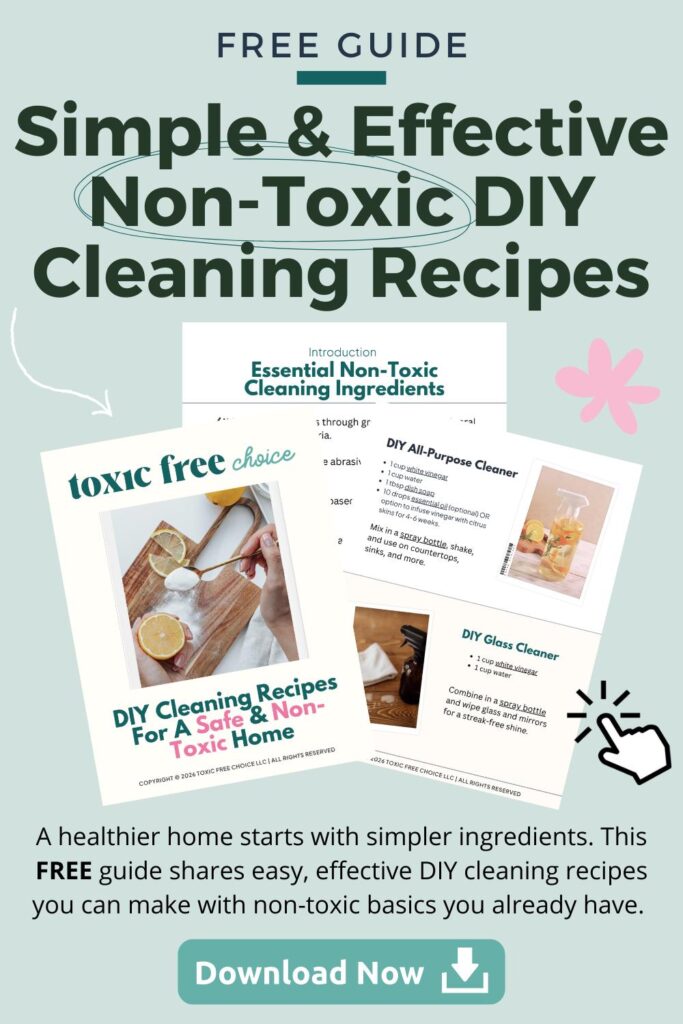
- DIY Non-Toxic Cleaning Recipes: Covers simple homemade cleaning solutions and the ingredients commonly used in DIY cleaners.
- Non-Toxic Dish Soap: Reviews dish soap ingredients, fragrance concerns, and safer options for everyday dishwashing.
- Ways To Use Castile Soap: Explains how castile soap can be used throughout the home for laundry, dishes, general cleaning, and more.
- Non-Toxic Dishwasher Detergent: Evaluates dishwasher detergents based on ingredients, cleaning performance, and transparency.
- Non-Toxic Floor Cleaners: Compares floor cleaning products, ingredient profiles, and surface-safe alternatives.
📌 Save This Guide For Later
Choosing a non-toxic cleaning brand can feel overwhelming, especially when terms like “natural,” “green,” and “plant-based” don’t always tell the full story.
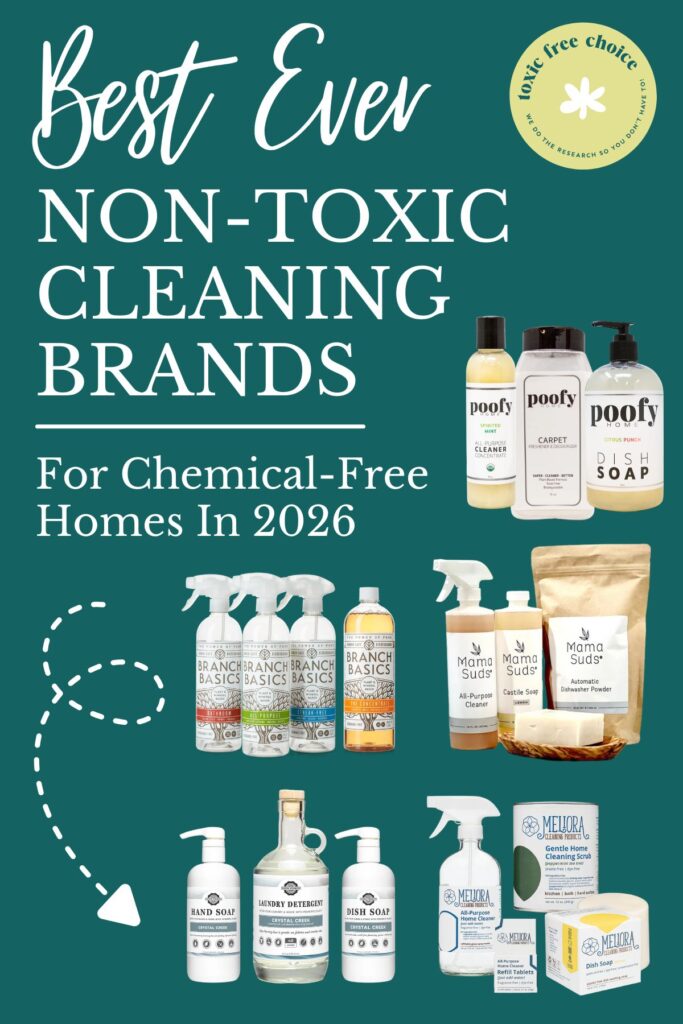
Save this guide for a research-backed breakdown of ingredient transparency, hidden chemicals, certifications, and the non-toxic cleaning brands that stood out based on our evaluation criteria.
Sources & Scientific References
- U.S. Environmental Protection Agency (EPA) — Research on volatile organic compounds (VOCs), indoor air quality, safer chemistry standards, and household cleaning product exposure.
- National Institute of Environmental Health Sciences (NIEHS) — Research on endocrine-disrupting chemicals, chemical exposure pathways, and environmental health.
- Centers for Disease Control and Prevention (CDC) — Guidance on cleaning, disinfecting, and safe use of household cleaning products.
- World Health Organization (WHO) — Research on chemical safety, environmental exposures, and public health risk assessment.
- European Chemicals Agency (ECHA) — Chemical hazard classifications, ingredient safety data, and regulatory information for consumer product ingredients.
- EPA Safer Choice Program — Certification standards for safer cleaning product ingredients and formulation criteria.
- MADE SAFE® — Independent ingredient screening and certification standards for products designed to avoid higher-concern chemicals.
- EWG Verified® — Ingredient disclosure and product transparency standards used to evaluate consumer products.
- Green Seal® — Environmental, health, and performance standards for household and commercial cleaning products.
- USDA Organic Certification Program — Federal standards governing organic ingredients and organic product labeling claims.
- Peer-Reviewed Studies — Research on cleaning product exposure, indoor air quality, respiratory health, fragrance chemicals, VOCs, and ingredient transparency.