This post may contain affiliate links. By browsing this website, you agree to our disclaimer, privacy policy, and terms of use.
Curious about safer menstrual care options? When it comes to period products, comfort and reliability are essential—but so is safety.
Many conventional pads and tampons contain materials and chemicals that may pose long-term health risks, from endocrine disruptors to carcinogenic byproducts. As awareness grows, more people are turning to reusable menstrual cups made with medical-grade, non-toxic materials as a safer, more sustainable alternative.
In this guide, we’ll explore the science behind menstrual cup safety—what to look for in materials, what to avoid, and how to choose a cup that supports both your health and the environment. We’ll also offer tips for first-time users to make the transition as comfortable and informed as possible.
Many of us have been using the same period products since we were teenagers – the good ol’ tampon or pad from the local drugstore.
It’s easy to assume that these seemingly harmless pads and tampons are safe, but the truth is, they could be exposing you to harmful chemicals that may have a negative impact on your health over the long term.
But fear not, because there’s a simple solution: non-toxic menstrual cups.
While menstrual cups might seem a little foreign and intimidating at first, we promise they are not nearly as scary as they might seem.
Remember the first time you used a tampon? It was probably a little uncomfortable, but you got used to it, and it became second nature.
Using a menstrual cup is just like that – but even better!
Many users find that using a menstrual cup is the best way to feel like you’re not even on your period at all. With less leakage, less odor, and less discomfort, once you get the hang of it, you’ll almost forget it’s there.
This small, bell-shaped device is revolutionizing period care, offering a sustainable and convenient solution that can last for years, saving you money and reducing waste in the process.
However, not all menstrual cups are created equal. With the market flooded with dozens of new options every month, it can be overwhelming to choose the best one for you.
That’s where we come in. Our team of experts has researched hundreds of options to bring you a list of the absolute best non-toxic menstrual cups on the market, helping you find the perfect fit for your unique body and lifestyle.
If you’re new to the world of menstrual cups, you’re in the right place. We’ve got plenty of handy tips to make your transition super easy. We have a feeling that once you switch, you’ll never want to go back.
Non-Toxic Medical-Grade Menstrual Cups For A Safe Period
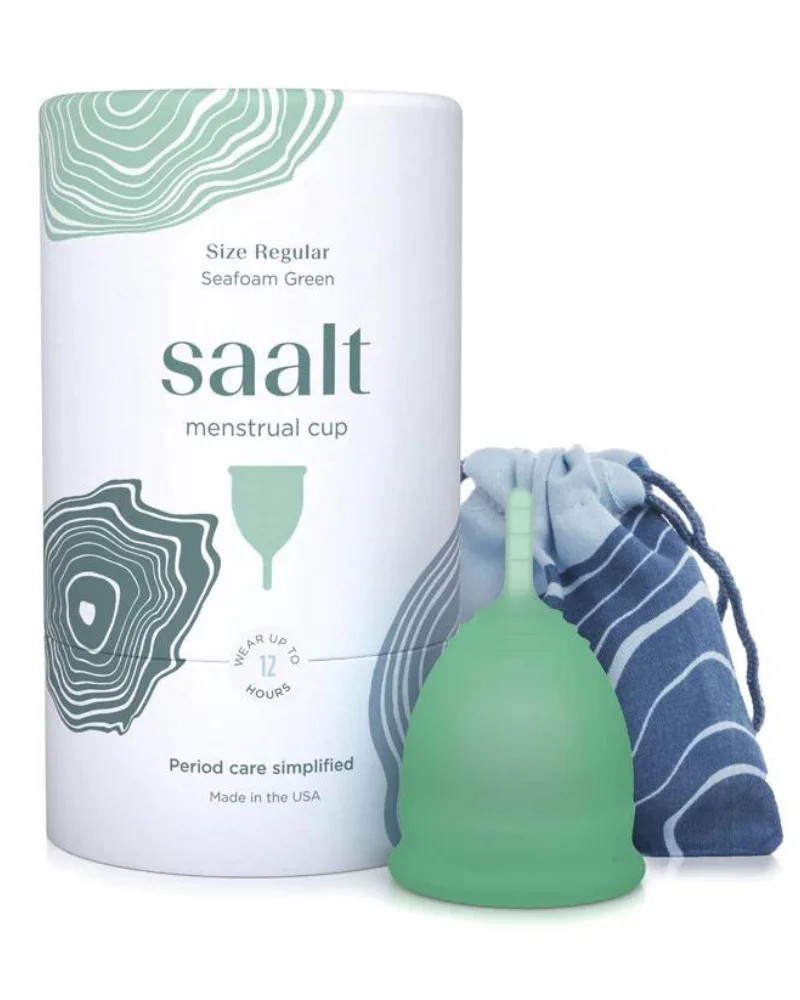
The Saalt Cup is an easy-to-use, comfortable menstrual cup designed to provide up to 12 hours of leak-free protection.
Made in the USA from 100% medical-grade silicone, this cup is free from BPA, latex, toxins, and fragrances, so you can have a completely safe and healthy period.
The Saalt Cup comes in both soft and regular silicone options, so you can find the perfect fit for your comfort level.
Its unique shape also comes with a double seal to ensure that the cup stays in place, even when you’re swimming, running, or hiking.
As an FDA-registered product that meets stringent safety standards for medical devices, the Saalt Cup is a good choice if you are looking for a long-lasting, reusable alternative to disposable menstrual products.
Saalt offers a one-year money-back guarantee, so you can try it risk-free.
Price
$29.00
Materials
100% medical-grade silicone
Location/shipping
US, ships worldwide.
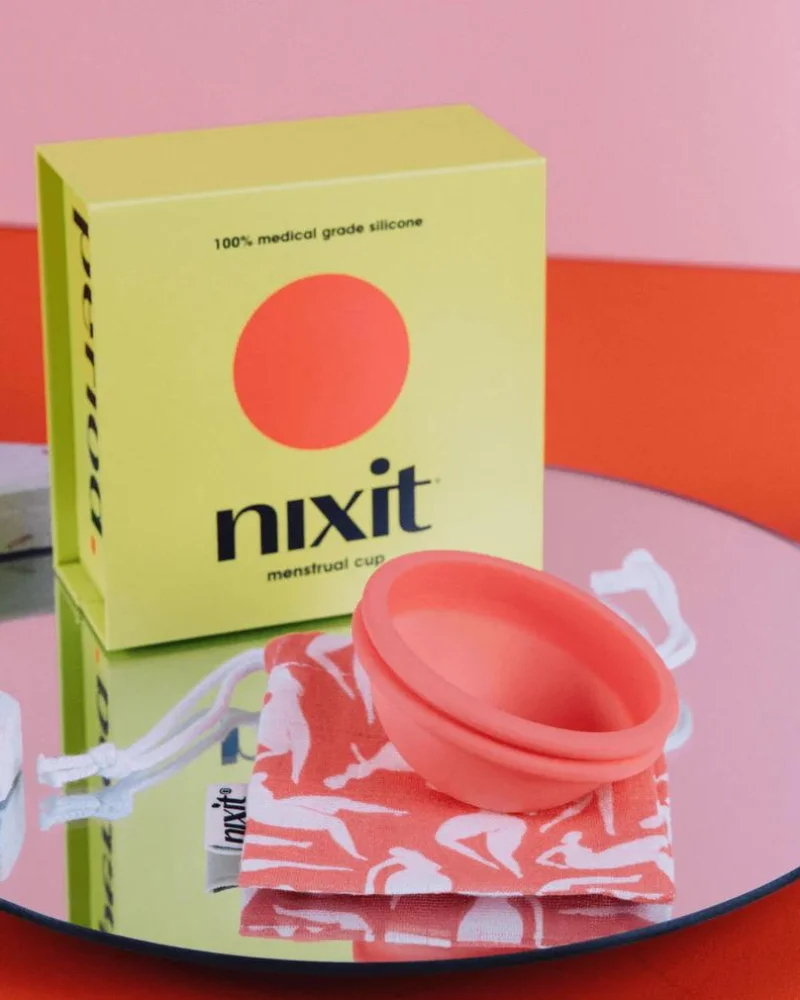
Nixit offers an ultra-soft, one-size-fits-all menstrual cup to make period care simple.
The Nixit cup’s pliable material conforms to your body’s shape, providing exceptional comfort without the need for complicated sizing or awkward folds.
The Nixit cup is so comfortable in fact that over 88% of users reported not being able to feel it once inserted!
This disc-style cup is made from 100% medical-grade silicone and is free from BPA and other toxic chemicals that shouldn’t be anywhere near your vagina.
As an FDA-cleared product, Nixit meets rigorous safety standards for medical devices, so you can have total peace of mind while (almost) forgetting you’re on your period altogether!
Price
$42.00
materials
100% Medical-Grade Silicone
location/shipping
US, ships to USA and Canada.
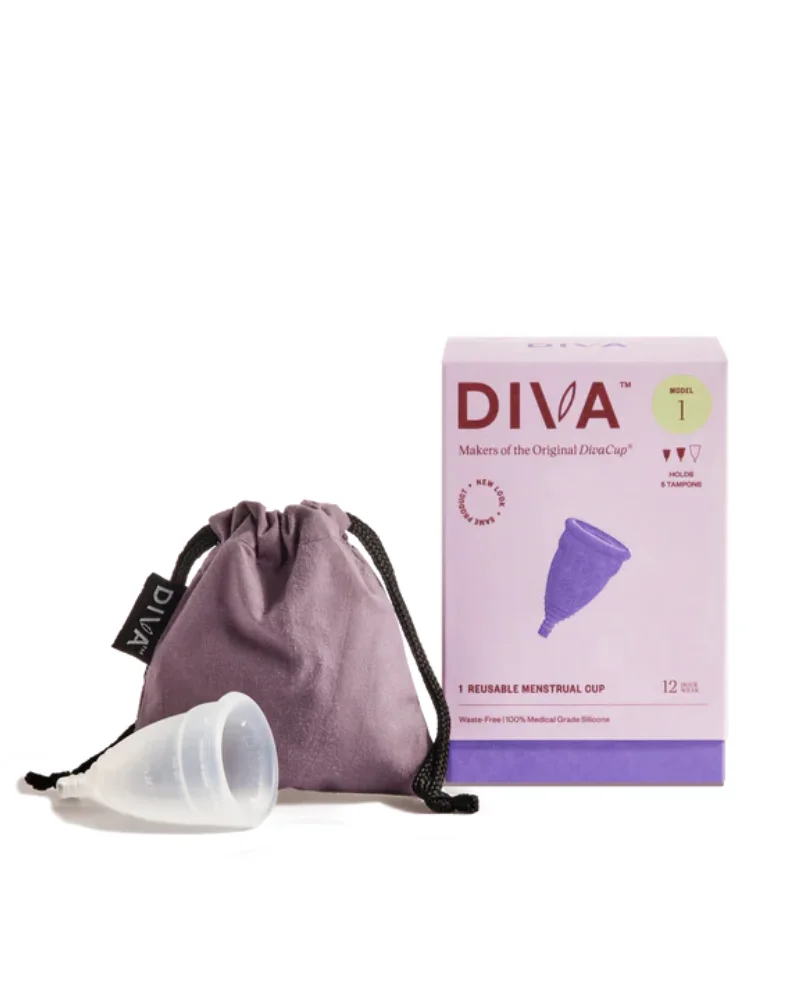
DIVA Cup has been a trusted name in reusable menstrual care since 2003.
Their top-quality silicone cup is made from the highest quality, healthcare-grade silicone.
It’s also completely free from dyes and potential irritants.
The DIVA Cup’s flexible design allows for easy insertion and removal, and the visible flow lines help you keep track of your menstrual flow.
The leak-resistant air holes create a secure seal, keeping the cup in place all day and all night long.
As a reusable option, we love that the DIVA Cup can divert over 1,000 single-use menstrual products from landfills, making it an eco-friendly and cost-effective choice.
Price
$35.00
Materials
Healthcare-grade silicone
Location/shipping
Canada, ships worldwide.
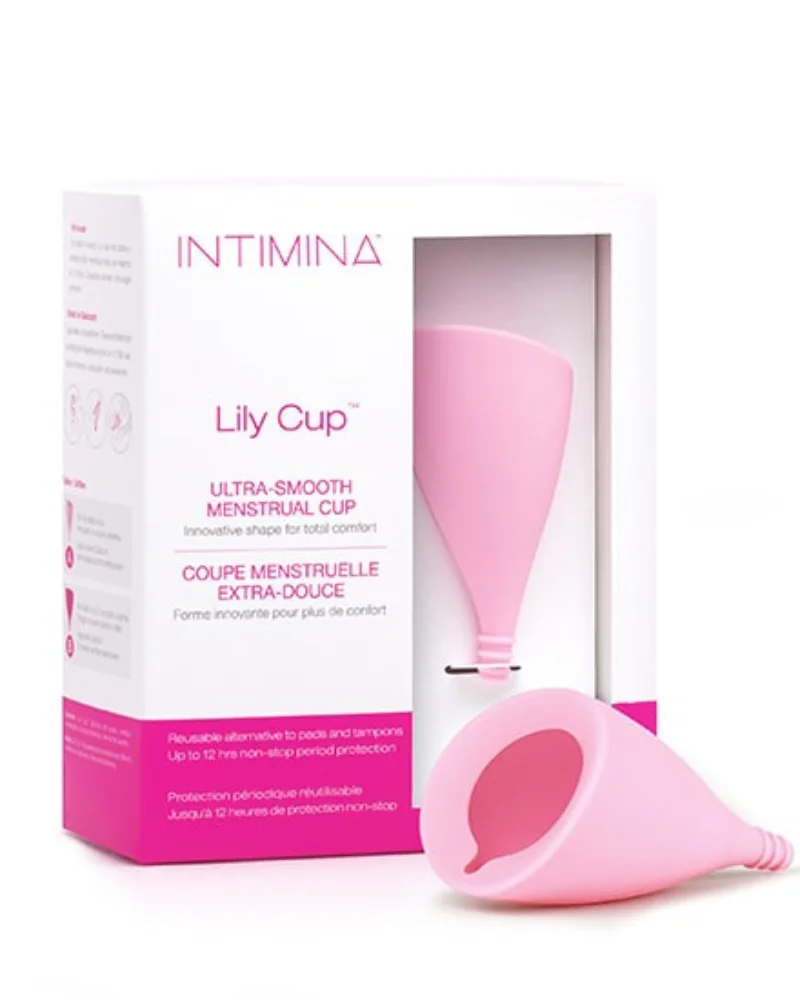
The Intimina Lily Cup is a game-changing menstrual cup designed to provide unparalleled comfort and convenience.
Made from 100% medical-grade silicone, this cup is free from BPA, phthalates, and latex.
With its high-capacity design, the Lily Cup can hold up to 3 times more than a super tampon, providing reliable leak-free protection for up to 12 hours.
Its unique angled shape and smooth surface also allow for easy insertion and a seamless fit. It’s especially great for those who have a higher cervix.
Intimina also offers a disc option to cater to all preferences, shapes, and sizes.
Price
$30.95
Materials
100% Medical-Grade Silicone
location/shipping
Sweden, ships worldwide.
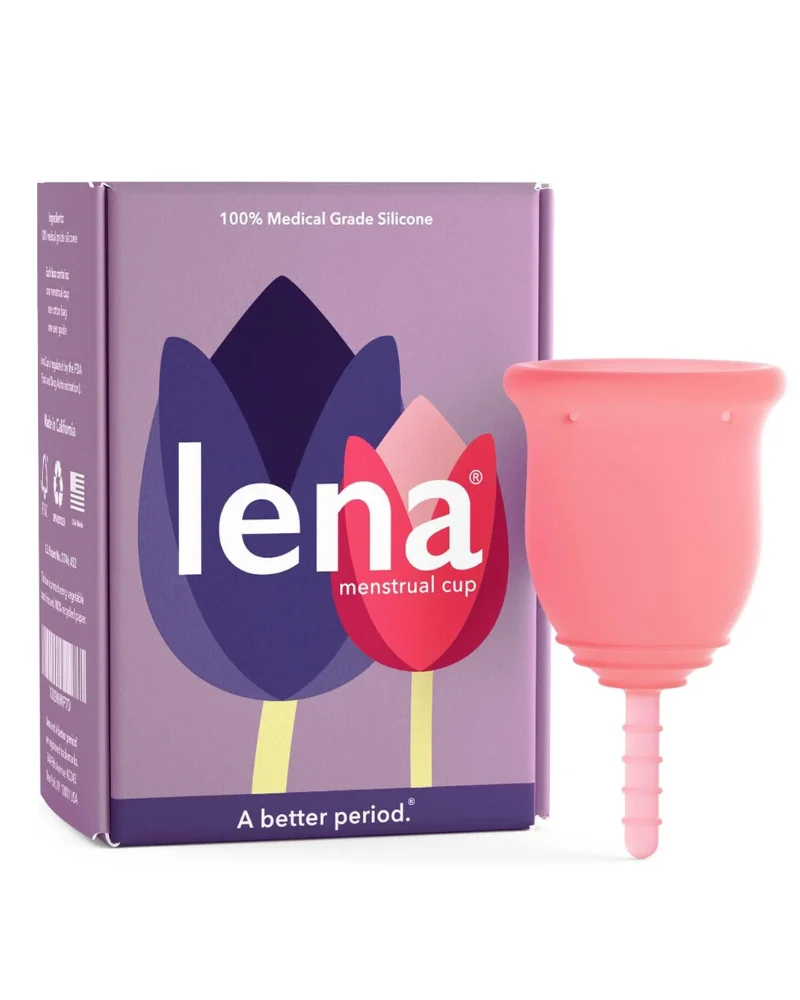
For those new to using a menstrual cup you’ll love to know that the Lena Cup was voted the #1 Best Beginner Cup.
It’s super comfortable and easy to use, made from 100% premium, US-made medical-grade silicone and dyes.
The Lena Cup’s user-friendly design ensures simple insertion and removal, while its smooth surface and absence of ridges make it easy to clean.
It’s ideal for teens and adults alike, offering complete protection for up to 12 hours at a time.
We especially like that the Lena Cup can last up to 10 years! This helps to significantly reduce waste and save you money in the long run.
Price
$30.00
materials
Medical-grade silicone
location/shipping
US, ships worldwide.
Frequently Asked Questions
A non-toxic menstrual cup is a reusable period care product made from body-safe materials like medical-grade silicone, natural rubber, or occasionally TPE (thermoplastic elastomer). These materials are free from endocrine disruptors, carcinogens, fragrances, and other harmful chemicals often found in conventional period products.
Yes—when made from certified non-toxic materials, menstrual cups eliminate exposure to dioxins, phthalates, synthetic fragrances, pesticides, and bleach commonly found in tampons and pads. They also reduce the risk of irritation, allergic reactions, and recurrent infections like yeast or bacterial vaginosis.
Not if it’s inserted correctly and is the right fit. Menstrual cups are designed to create a seal against the vaginal walls, preventing leaks even during swimming, yoga, or sleep. Most users report that once they get the hang of it, leaks are rare and cleanup is minimal.
Most non-toxic cups can be worn for 8 to 12 hours depending on your flow. This means fewer trips to the bathroom and less waste. Always follow your chosen brand’s instructions and never wear a cup for more than 12 hours at a time.
It may take a few cycles to become totally comfortable, but most users adapt quickly. Think of it like the first time you used a tampon—it gets easier with practice. Brands like Saalt, Lena, and Intimina offer great support materials and user guides.
Size depends on factors like your age, whether you’ve given birth vaginally, cervix height, and pelvic floor strength. Most brands offer multiple sizes and softness levels. Use their sizing charts and don’t hesitate to try a different size if the first doesn’t feel right.
Yes, but with caution. Always break the seal gently before removal to avoid disturbing your IUD. It’s wise to consult your OB-GYN if you’re new to cups or had your IUD placed recently.
During your cycle: Rinse with warm water every 8–12 hours. After your cycle: Boil the cup in water for 5–10 minutes. Storage: Keep it in a breathable cotton bag, away from sunlight and sealed containers.
Avoid scented soaps or harsh cleaners—they can irritate your body and damage the cup.
Dioxins (from bleaching processes), Pesticide residues (in non-organic cotton), Fragrances and phthalates (linked to hormone disruption) and PFAS (“forever chemicals” that don’t break down in the body). These are NOT regulated in most conventional menstrual products—hence the push for safer alternatives.
The Lena Cup is a great starter option. It’s soft, simple to use, and designed for comfort and easy insertion. Many people who were nervous about switching say this one changed their mind!
Switching to a non-toxic menstrual cup helps to reduce exposure to harmful chemical, it saves money (they last up to 10 years!), they cut down on period waste and improves comfort and convenience for many users.
Try the Intimina Lily Cup—its longer, angled design works well for higher cervix positioning and holds 3x more than a super tampon.
Look for firmer cups like the Saalt Cup (Regular) or a “Sport” version from your favorite brand. They’re designed to stay in place during intense movement.
Go for a cup made from TPE, like some newer brands. It’s a hypoallergenic alternative—though note it may contain phthalates unless certified otherwise. Always double-check materials before buying.
With proper care, most high-quality silicone menstrual cups can last up to 10 years, making them a seriously sustainable (and budget-friendly) choice.
Your Body, Your Cup: Choosing the Right Fit
So you’ve decided to make the switch to a non-toxic menstrual cup. Congrats! You’re taking a major step towards a healthier, more sustainable period experience.
But with so many options out there, how do you choose the right cup for your unique body? Let’s get into some of the basics.
Size Matters
When it comes to menstrual cups, size isn’t just about capacity (though that’s important too). It’s also about finding a cup that fits comfortably and securely.
Most brands offer at least two sizes – small and large – but some have even more options. So, how do you know which one to choose?
A good starting point is to consider your age, childbirth history, and the strength of your pelvic floor muscles. Generally speaking, younger individuals and those who haven’t given birth vaginally may prefer a smaller cup, while those over 30 or who have given birth vaginally may find a larger cup more comfortable.
But here’s the thing. Everybody is different. What works for your best friend might not work for you. So, don’t be afraid to experiment with different sizes until you find your Goldilocks cup – not too big, not too small, but just right.
Material Considerations
Non toxic menstrual cups are typically made from two main material types: 1) Medical-grade silicone and 2) Thermoplastic Elastomer.
Silicone cups are the most popular choice, and for good reason. They’re hypoallergenic, durable, and easy to clean. They also tend to be a bit firmer than Thermoplastic Elastomer cups, which some people find more comfortable and easier to insert.
Thermoplastic Elastomer menstrual cups are hypoallergenic and can be used if you are allergic to silicones. They are generally considered safe when used as directed. They are made from a medical-grade material that is free of BPA and latex.
But do keep in mind that this material often contains phthalates so we recommend using a menstrual cup made from medical-grade silicone whenever possible.
Get a Feel for Firmness
Menstrual cups come in a range of firmness levels, from super soft to extra firm. The right level of firmness for you will depend on a few factors, including the strength of your pelvic floor muscles and your personal comfort preferences.
If you have strong pelvic floor muscles (lucky you!), you may find that a firmer cup is easier to insert and creates a better seal. On the flip side, if you have a sensitive bladder or tend to experience cramping, a softer cup may be more comfortable.
Some brands even offer “sport” versions of their cups, which are typically firmer and designed to stay put during intense physical activity. So, if you’re an avid runner or yogi, that’s something to keep in mind.
Lifestyle Factors
Your menstrual cup needs may vary depending on your lifestyle and personal preferences.
Are you always on the go? A collapsible cup that’s easy to pack and store in your bag might be your jam.
Do you have a heavy flow? Look for a cup with a higher capacity to minimize leaks and the need for frequent emptying.
Is discretion a top priority? Some cups come with cute little carrying cases that make storage and transport a breeze.
The bottom line is that finding the right menstrual cup is a personal journey. It may take some trial and error, but trust us when you find “the one,” you’ll know!
This has been your complete guide to non toxic menstrual cups!
While we know that switching to a menstrual cup may seem like a daunting decision at first, it can be a transformative step toward improving your health and making your menstrual cycle more manageable.
With so many high-quality, safe, and comfortable options available, there’s never been a better time to explore switching to a menstrual cup.
Just remember that finding the perfect menstrual cup is a personal process. Be patient with yourself, listen to your body, and don’t be afraid to experiment until you discover the cup that feels like it was made just for you.
Most importantly, remember you’re not alone! You’re joining a growing community of empowered individuals who are redefining what it means to have a period free from harmful chemicals, waste, and limitations.
Let us know if you have any questions, tips, or recommendations in the comments!
You may also like: